Athleisure Is Becoming the New Uniform
Introduction: Athleisure Trend as the New Uniform
In today’s fast-changing fashion landscape, the athleisure trend has graduated from workout gear to something far more significant — a cultural uniform for daily life. This isn’t about school or institutional uniforms. Rather, it’s the go-to outfit that consumers — especially Gen Z and hybrid workers — reach for by default. As comfort, mobility, and multifunctionality have become non-negotiable, modern performance wear is no longer just a category of clothing; it’s a lifestyle wardrobe staple.
For brands and manufacturers, this shift presents both an opportunity and a challenge. Understanding the deeper forces behind the athleisure trend and consulting the Athleisure Functional Apparel 2026 Forecast can help companies design products that align with evolving consumer behaviors.
- Introduction: Athleisure Trend as the New Uniform
- How the Athleisure Trend Became the Default Everyday Outfit
- Gen Z’s Role: Comfort as Fashion Identity
- Hybrid Workwear Style: When the Athleisure Trend Enters the Workplace
- Why the Athleisure Trend Outshines Traditional Casual Wear
- Key Silhouettes Defining Today’s Athleisure Trend
- What Brands & Manufacturers Must Do Now
- Challenges and Risks to Navigate
- Why Now Is the Right Time for Brands & Manufacturers to Lean In
- Conclusion: Athleisure Trend as the New Cultural Uniform
How the Athleisure Trend Became the Default Everyday Outfit
The rise of remote work, hybrid models, and the demand for flexibility have reshaped how people dress. No longer confined to homes or gyms, comfort-first clothing has moved into cafes, offices, co-working spaces, and social settings.
- Versatility: Pieces are built to work across multiple use-cases. A well-designed jogger or performance knit top can transition from a morning workout to afternoon calls without feeling out of place.
- Comfort as a Priority: Consumers are now choosing soft, breathable, stretchy fabrics that allow freedom of movement. These materials offer a practical alternative to rigid denim or formal workwear.
- Value Perception: For many, this type of outfit isn’t just clothing — it’s an investment in versatility. Buying pieces that serve more than one purpose adds value for consumers, especially younger ones who juggle multiple roles in a day.
From a B2B perspective, product development, supply chains, and design strategies must evolve. Brands that still view the athleisure trend purely as “gym wear” risk falling behind.
Gen Z’s Role: Comfort as Fashion Identity
Gen Z is not just redefining work — they’re rewriting what fashion identity means. For many, comfort is no longer a compromise; it’s a core part of self-expression.
- Athleisure trend as identity: A recent report highlights how Gen Z embraces the athleisure trend multiple times a week. (sinardaily.my)
- Lifestyle, not just fitness: Many consumers of activewear lifestyle are not necessarily more athletic than others — they wear these clothes because they resonate with their lifestyle. (gwi.com)
- Community and purpose: This generation is buying more than a product — they’re buying experiences, values, and a feeling of belonging.
For apparel manufacturers and brands, this means designing for emotional utility as much as physical utility. Fabrics, styles, and storytelling should reflect not just performance, but identity.
Hybrid Workwear Style: When the Athleisure Trend Enters the Workplace
One of the most important changes driving the athleisure trend’s dominance is how work itself has evolved.
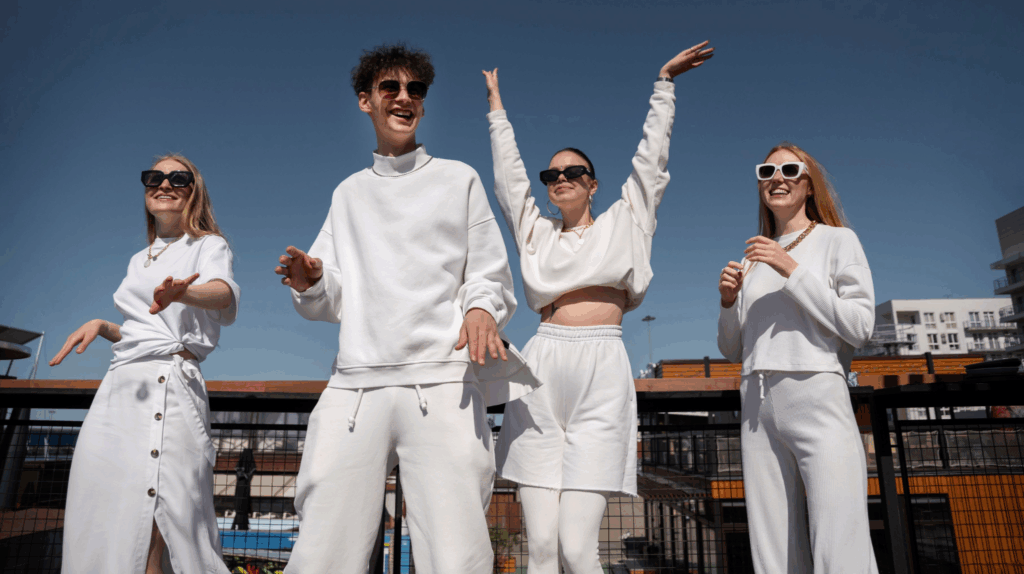
- Dress code flexibility: In hybrid settings, strict office attire is giving way to more relaxed dress codes. Gen Z is openly wearing activewear in professional environments. (nypost.com)
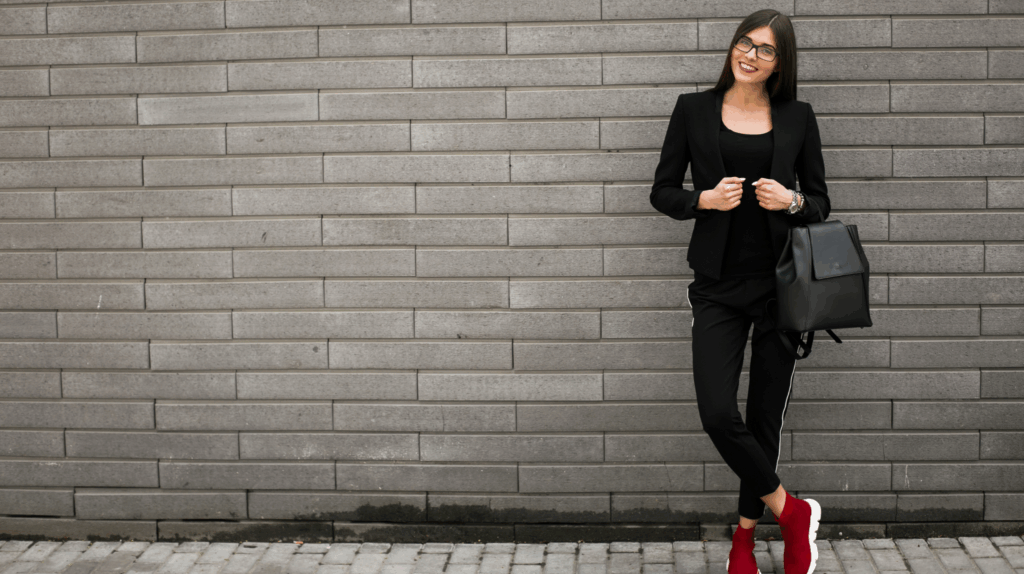
- Functional-lifestyle intersection: Tracksuit pants, technical joggers, and minimalist knit tops are being styled with blazers and clean outerwear to pass in many work settings.
- Regional drivers: In Asia-Pacific, including Malaysia, the demand for comfort-first clothing is strong, driven by both climate and lifestyle.
From a B2B perspective, companies must lean into “workleisure” — a category that blends technical performance with polished aesthetics.
Why the Athleisure Trend Outshines Traditional Casual Wear
Why are more consumers choosing athleisure trend outfits over jeans, chinos, or classic casual wear? Several factors explain this:
- Technical fabric advantages
- High-performance textiles offer moisture-wicking, stretch, and breathability.
- Innovation in textiles — from recycled polyester to UV-protective materials — lets designers create pieces that are functional yet stylish.
- Multi-functionality
- Garments are built for movement but styled for all-day wear.
- They reduce the need to change outfits multiple times per day, enabling more efficient wardrobe use.
- Cultural and climate alignment
- In Southeast Asia, warm and humid climates make activewear lifestyle highly attractive.
- As the Southeast Asia Trender Report notes, athleisure continues to lead in comfort-driven apparel demand.
- Sustainability appeal
- Consumers increasingly demand eco-conscious production. The global athleisure trend market is seeing strong adoption of sustainable materials.
- Brands that leverage recycled fabrics or low-impact dyeing can resonate with environmentally conscious buyers.

Key Silhouettes Defining Today’s Athleisure Trend
Current popular forms include:
- Relaxed straight-leg pants: A versatile alternative to leggings, offering a clean, minimalist look.
- Flared and wide-leg bottoms: Comfortable, retro-inspired, and perfect for lifestyle and hybrid work settings.
- Baggy/oversized pants: Streetwear-inspired, offering freedom of movement and comfort.
- Minimalist tops: Clean ribbed tees, soft knit polos, and unstructured sweatshirts — styled for both home and office.
These silhouettes reflect the shift from “tight gymwear” to lifestyle mobility — offering practical design opportunities for brands to innovate in fit, fabric, and construction.
What Brands & Manufacturers Must Do Now
To lead in this new normal, brands and manufacturers need to rethink design, sourcing, and positioning. Here’s a strategic playbook:
- Design for modularity
- Create collections where pieces mix and match: a jogger that pairs with a blazer, or a technical tee that layers easily.
- Choose climate-smart fabrics
- Prioritize breathable, moisture-wicking fabrics suited for warm, humid regions.
- Invest in sustainability: recycled poly, organic cotton, and environmentally friendly dyeing.
- Adopt functional aesthetics
- Minimal branding, clean lines, and muted colour palettes align with lifestyle dressing.
- Discreet performance features — hidden pockets, stretch panels, anti-odor or UV treatment.
- Build for the hybrid worker
- Offer pieces that pass in co-working spaces and offices — but still feel active enough for errands or movement.
- Leverage data & community
- Use consumer insights (especially Gen Z) to drive design. Engage communities through pop-ups, social media, wellness events.
- Sustainable and transparent sourcing
- Trace fabrics and share supply-chain stories. Modern consumers and B2B buyers value sustainability.
Challenges and Risks to Navigate
While the shift to the athleisure trend as a daily uniform brings opportunity, it’s not without challenges:
- Market saturation: More brands entering the space makes differentiation harder.
- Overemphasis on trend: Only designing “tech athleisure” can alienate style-conscious consumers.
- Supply chain pressure: High-performance, sustainable fabrics can be costly.
- Balancing volume vs margin: Lifestyle-active pieces may need lower price points but must maintain quality.
Brands addressing these with flexible lines, informed design, and smart sourcing will be best positioned for growth.
Why Now Is the Right Time for Brands & Manufacturers to Lean In
- Consumer behaviour is already here: Athleisure is firmly part of daily life.
- Hybrid work isn’t going away: Demand for adaptable clothing will remain strong.
- Sustainability matters: Performance + eco-credentials will win consumers.
- Emerging markets: In Southeast Asia, athleisure trend is dynamic and under-penetrated.
- Brand identity opportunity: Athleisure allows brands to transcend “activewear” into lifestyle.
Conclusion: Athleisure Trend as the New Cultural Uniform
The athleisure trend is not just a fashion category — it’s a cultural moment. It reflects how people live, move, work, and identify. Recognizing this shift means designing and sourcing pieces that are functional, comfortable, versatile, and stylish — not just gym clothing.
If you’re a fashion brand or OEM looking to future-proof your collection in this new, athleisure-led world, Tris Apparel can help. With deep experience in functional fabrics, scalable production, and lifestyle-active design, they’re ready to partner with you to create your next-generation line.
📩 Get in touch to explore custom athleisure collections tailored for Gen Z, hybrid workers, and modern consumers.