Are Leggings Out of Style?
Introduction
Are leggings out of style? This question is no longer rhetorical — it reflects a shifting wave among younger consumers. The trend dubbed Gen Z Against Leggings is not simply about rejecting a silhouette; it signals deeper changes in youth apparel trends and activewear market insights. As brands plan upcoming collections, understanding this Gen Z fashion shift is critical.
Young consumers are leaning toward comfort‑first silhouettes — parachute pants, wide‑leg trousers, flared yoga pants, straight‑leg active pants, sweatpants, and soft tracksuits. These alternatives fit day‑to‑day life better, offering freedom, coverage, and flexibility. For B2B stakeholders — designers, manufacturers, sourcing teams — this change represents a strategic inflection point.
- Introduction
- Why Gen Z Is Turning Away from Leggings
- From Performance‑Focused to Lifestyle‑Focused Activewear
- What Gen Z Wears Instead: Comfort‑First Silhouettes
- Social Media & Youth Culture Amplifying the Shift
- Market Impact: What This Means for Brands and Manufacturers
- Strategic Recommendations for Activewear & Fashion Brands
- Conclusion
Why Gen Z Is Turning Away from Leggings
Leggings as a Millennial Trend
For many Gen Z consumers, leggings are now seen as a millennial trend — tight, form-fitting pants associated with the previous generation. Some even call them “basic” or “cringe,” echoing coverage from Glamour Daze and other youth fashion sources. This perception has contributed to the rise of Gen Z Against Leggings.
Comfort and Body Ease Over Compression
Leggings that were once “second‑skin” workout wear now feel restrictive. Many Gen Z users describe discomfort and insecurity, feeling “exposed” or self-conscious in tight-fitting garments. This connects to broader body dysmorphia and a preference for clothing that does not emphasize body-conforming silhouettes.
Younger shoppers increasingly value breathing space, freedom of movement, and comfort, favoring comfort‑first silhouettes like baggy pants, relaxed yoga trousers, and flared sweats that allow room without sacrificing mobility.
Functional Focus Over Fashion Statement
This shift also reflects a generational difference in priorities. Gen Z is increasingly prioritizing functional aspects of activewear rather than using leggings as a fashion statement. Many choose bottoms that support workouts, daily routines, and lifestyle comfort over tight, fashionable silhouettes.
From Performance‑Focused to Lifestyle‑Focused Activewear
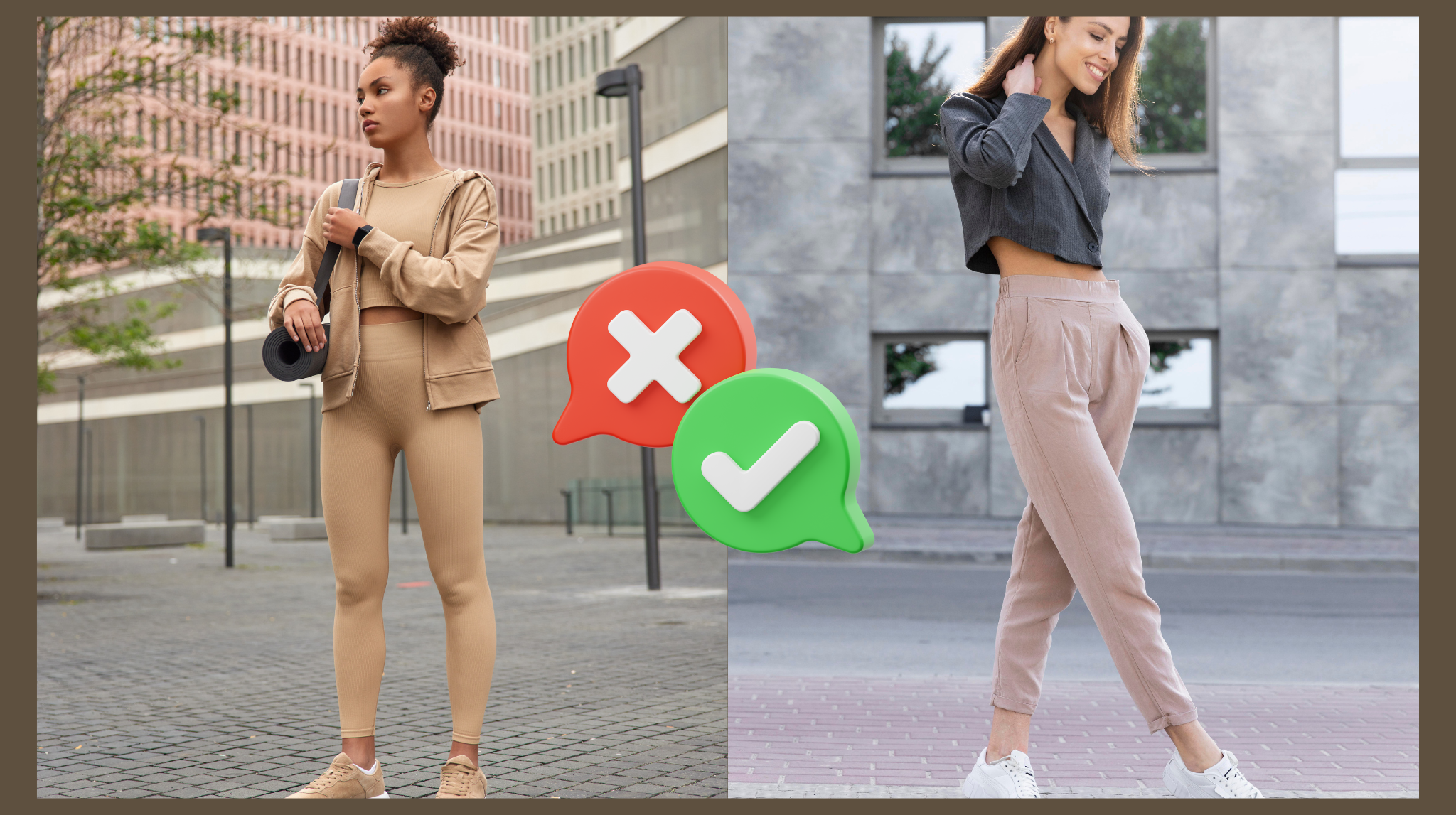
Leggings rose to popularity during decades when athleisure blurred the lines between workout gear and everyday wear. However, Gen Z is increasingly moving away from leggings as the default bottom for daily outfits, even in some gym contexts. Instead, younger consumers are gravitating toward comfort-first silhouettes that provide mobility, coverage, and style flexibility.
The young generation’s preference has been reflected in sales and web searches. Researchers from Edited found that consumer interest in leggings declined from 46.9% to 38.7% since 2022. This decrease has prompted major sports brands, including Nike and Adidas, to scale back investments in form-fitting athleisure and prioritize boxy, wide, or oversized garments. Pinterest data also indicates that 58% of searches from 18–24-year-olds focus on oversized tracksuits and wide t-shirts (NSS Magazine).
This trend highlights a clear Gen Z fashion shift: leggings remain relevant for specific workouts, such as yoga or high-intensity training, but everyday wear now favors oversized, relaxed, and versatile bottoms. Parachute pants, wide-leg trousers, straight-leg active pants, and soft tracksuits are increasingly shaping youth apparel trends, offering brands and manufacturers an opportunity to diversify their activewear collections.
What Gen Z Wears Instead: Comfort‑First Silhouettes
Here are the silhouettes replacing leggings — and why they resonate with Gen Z:
- Baggy and loose-fitting activewear — sweatpants, soft tracksuits, and loose shorts for comfort in workouts and daily life.
- Parachute and woven trousers — loose, comfortable, and stylish alternatives.
- Wide-leg, flared, or straight-leg pants — looser silhouettes than traditional leggings.
These options reflect youth apparel trends, offering coverage, comfort, and versatility, and reinforce why Gen Z Against Leggings is reshaping activewear.
Social Media & Youth Culture Amplifying the Shift
Digital culture is a major driver. Platforms like TikTok, Instagram, and Pinterest amplify trends in real time. Baggy pants, wide-leg trousers, and soft tracksuits often go viral as alternatives to leggings. (thenightly.com.au)
Many Gen Z users frame leggings as “too revealing” or “too compressed,” often calling them a relic of millennial style. This fuels adoption of comfort-first silhouettes and shapes youth apparel trends. (whowhatwear.com)
Fast-moving fashion cycles mean brands must act on activewear market insights, responding not just to sales data but also to social signals and community sentiment.
Market Impact: What This Means for Brands and Manufacturers
Declining Demand for Leggings as Lifestyle Wear
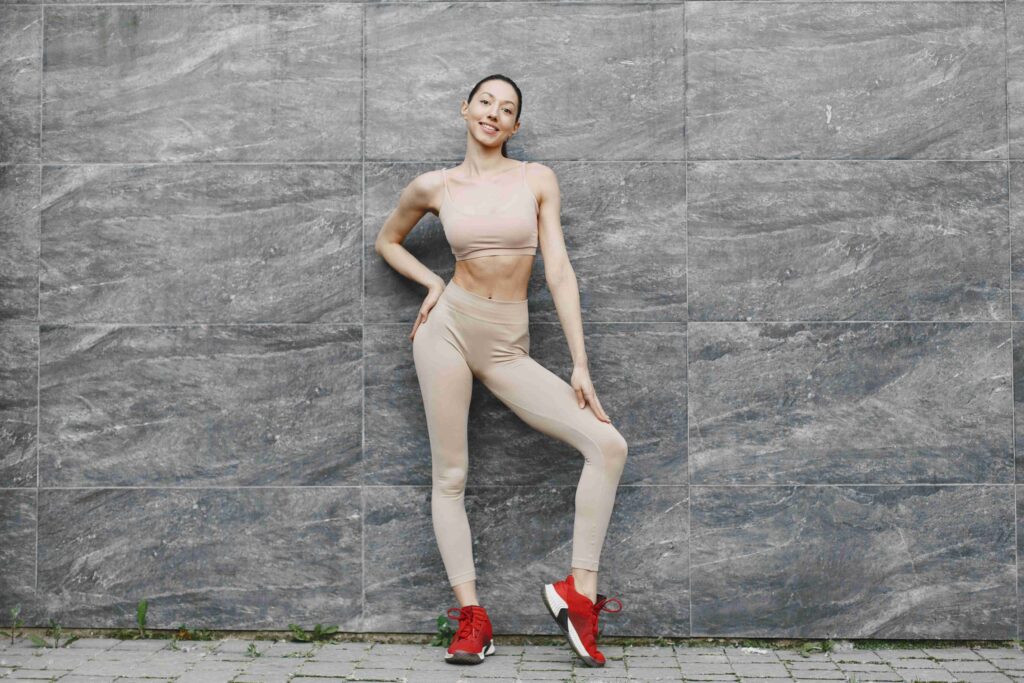
Retail analytics show a drop in leggings’ share of active bottoms.
For brands, this signals that over-reliance on leggings is risky. The Gen Z Against Leggings trend emphasizes diverse, comfort-focused designs.
Demand Shift Toward Diverse Bottoms and New Silhouettes
Brands introducing relaxed-fit pants, straight-leg active pants, wide-leg trousers, and soft lounge bottoms report strong uptake.
This indicates that youth apparel trends now favor bottoms beyond leggings, creating opportunities for new collections.
Opportunity for Product Diversification and Assortment Reset
For manufacturers, this is an opening to expand product lines. Offering comfort-first silhouettes for both lifestyle and activewear categories can provide competitive advantage.
Rethinking Marketing & Storytelling
Marketing should pivot from compression-focused messaging to highlight comfort, versatility, and usability for daily routines. Visual storytelling emphasizing comfort-first silhouettes aligns with the values of authenticity and self-expression central to Gen Z fashion shift.
Strategic Recommendations for Activewear & Fashion Brands
- Expand bottom-wear assortment: parachute pants, straight-leg active pants, wide-leg trousers, soft lounge bottoms, flared yoga pants, and relaxed sweatpants.
- Develop comfortable yet functional fabrics: materials allowing movement, breathability, and softness.
- Reposition leggings: keep them for function-specific workouts rather than baseline lifestyle wear.
- Design for versatility: bottoms that transition from gym to street to home.
- Community-driven marketing: collaborate with influencers to showcase real comfort and everyday wear.
- Monitor trend data: retail analytics, social signals, and search trends refine assortments.
Manufacturers can refer to our OEM vs ODM guide for aligning production and sourcing with these youth apparel trends.
Conclusion
The question “Are leggings out of style?” can no longer be dismissed. The Gen Z Against Leggings trend reflects a genuine shift in comfort demands, body-image awareness (including body dysmorphia concerns), and daily lifestyle choices.
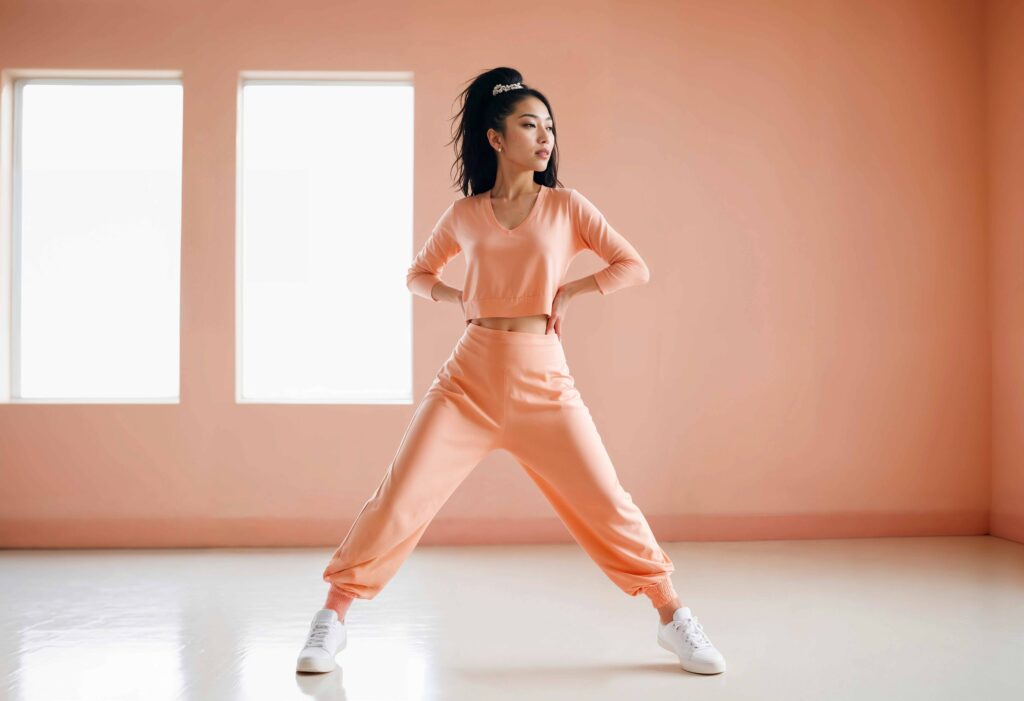
Leggings are evolving. Their dominance as default activewear bottoms is fading, replaced by comfort-first silhouettes that suit multiple occasions and lifestyles.
For brands and manufacturers, this trend presents opportunity. Embracing parachute pants, wide-leg trousers, straight-leg active pants, and other comfort-first silhouettes ensures alignment with the Gen Z fashion shift and strengthens market positioning.
Ready to adapt to the comfort-first activewear wave? Contact us to discuss how we can help you create bottoms that resonate with Gen Z and beyond.