The Timeless Appeal of Polo Shirts
Introduction: Why Polo Shirts Still Matter
Polo shirts are one of the few garments that have remained relevant across decades, industries, and markets. From sports fields to corporate offices, and from retail shelves to lifestyle fashion collections, polo shirts continue to hold a unique position in apparel manufacturing.
For brands and corporate uniform buyers, the appeal of polo shirts goes beyond familiarity. They offer a balance between structure and comfort, professionalism and flexibility. This versatility makes polo shirts a low-risk yet high-impact product category for both uniform programs and fashion brands.
In today’s market, understanding how polo shirts evolved, how trends are shifting, and how fabric and manufacturing decisions affect performance is essential. This article explores the timeless appeal of polo shirts, with practical manufacturing insights for brands and corporate uniform buyers.
- Introduction: Why Polo Shirts Still Matter
- A Brief History of Polo Shirts: Function Before Fashion
- Polo Shirts in Today’s Market: What Has Changed?
- Activewear Polo Shirts: Performance Meets Versatility
- Polo Shirts for Corporate Uniforms: Reliability Comes First
- Lifestyle and Fashion Polo Shirts: Identity Through Design
- Beyond the Basics: New Polo Shirt Ideas for Brands
- Manufacturing Considerations: What Brands Should Think About Early
- Why Polo Shirts Remain a Strategic Product Category
- Conclusion: Building Polo Shirts That Last
A Brief History of Polo Shirts: Function Before Fashion
The polo shirt originated in the early 20th century, designed for athletes who needed freedom of movement without sacrificing presentability. Early versions replaced long-sleeved woven shirts with short sleeves, breathable fabrics, and soft collars, marking a major shift in sportswear design that later influenced everyday apparel.
Over time, the polo shirt moved beyond sports and into daily wear. As its practical design gained wider acceptance, businesses adopted polos for uniforms because they appeared more refined than T-shirts while remaining easier to maintain than traditional dress shirts. Fashion brands later embraced the silhouette, reinterpreting it through fabric choices, fits, and branding.
What made polo shirts successful then is the same reason they remain relevant today: they are practical, adaptable, and familiar. This evolution from performance-driven sportswear to a mainstream essential continues to influence how polo shirts are designed and manufactured for modern markets.
Read more about the early development and evolution of polo shirts.

Polo Shirts in Today’s Market: What Has Changed?
Although the silhouette remains recognizable, modern polo shirts have evolved significantly. Changes in lifestyle, work environments, and consumer expectations have reshaped how brands and manufacturers approach this category.
Key Market Shifts
First, fit preferences have changed. Slim, body-hugging polos are gradually giving way to relaxed or straight fits, reflecting broader fashion movements toward comfort and inclusivity.
Second, performance fabrics are no longer limited to sportswear. Many corporate uniforms and lifestyle fashion polos now incorporate moisture-wicking, stretch, and easy-care features, blurring the line between functional and everyday apparel.
Third, branding has become more subtle. Instead of bold logos, many brands opt for tone-on-tone embroidery, minimal placements, or clean, unbranded designs that allow flexibility across different use cases. This shift toward understated styling has also brought renewed attention to the polo shirt as a contemporary fashion staple in recent seasonal collections.
Explore how modern styling has reshaped the polo shirt’s role in fashion.
As a result, one polo design can now serve multiple segments with minor adjustments in fabric, fit, or branding. For manufacturers, this creates opportunities to develop adaptable styles that scale efficiently across uniform and fashion markets.
Activewear Polo Shirts: Performance Meets Versatility
Activewear polo shirts are no longer limited to golf courses or sports clubs. They are now used by event staff, outdoor teams, hospitality workers, and lifestyle brands targeting comfort-driven consumers.
Common Fabrics for Activewear Polo Shirts
Microfiber / Dry-Fit Polyester
This fabric is lightweight, quick-drying, and durable. It works well for high-activity environments and warm climates. Brands often choose this option for sports teams, promotional wear, and outdoor uniforms.
Polyester + Spandex Blends
Adding spandex improves stretch and mobility. This blend is popular for modern activewear collections and uniforms that require frequent movement.
Interlock Polyester
Interlock fabric provides a smoother surface and slightly heavier structure. It offers a cleaner appearance while retaining performance benefits, making it suitable for brands that want a refined athletic look.
Design Considerations
Activewear polos often include details such as mesh panels, reinforced seams, or athletic cuts. However, many brands now avoid overly technical designs to keep polos versatile across work and casual settings.
From a manufacturing perspective, fabric stability and consistent performance across batches are critical. Activewear polos must maintain shape, color, and functionality even after repeated washing.

Polo Shirts for Corporate Uniforms: Reliability Comes First
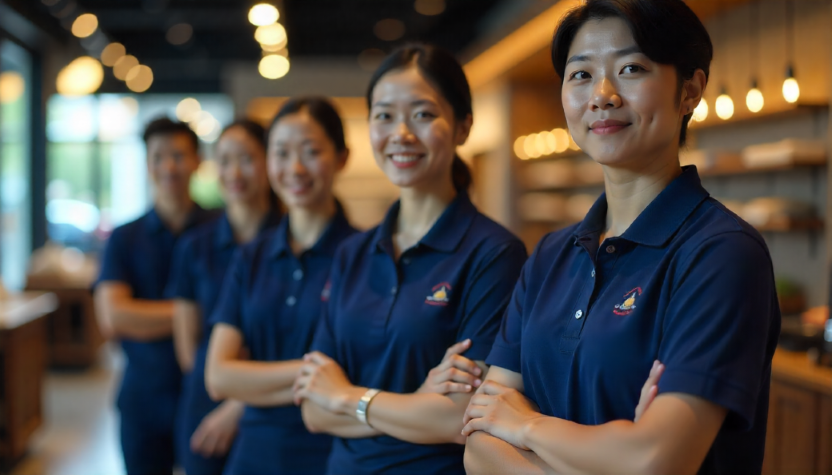
Corporate uniforms represent one of the strongest and most stable markets for polo shirts. Offices, retail chains, logistics companies, and service industries rely on polos for daily wear that balances professionalism and comfort.
What Uniform Buyers Prioritize
Uniform buyers typically focus on long-term performance rather than trends. Durability, ease of care, and consistency are essential, especially for organizations managing large teams. Color matching across repeat orders is particularly important to maintain a consistent brand image over time.
For many businesses, polo shirts also function as a branding tool, reinforcing identity while remaining practical for everyday operations.
Learn how corporate uniforms support brand consistency and recognition.
In addition, polos must maintain a professional appearance throughout the workday. Collars that hold shape and fabrics that resist wrinkling are often preferred in customer-facing environments.
Piqué Cotton
Piqué remains a classic choice for corporate uniforms. Its textured surface improves breathability while providing a structured look, making it suitable for front-facing and service roles.
Cotton-Polyester Blends
Blended fabrics offer better shape retention and reduced shrinkage. They are easier to maintain and often last longer under daily wear conditions.
Manufacturing Insight
For uniform programs, production consistency matters more than experimentation. Manufacturers must ensure stable sizing, repeatable dyeing processes, and reliable lead times. These factors often influence supplier selection more than price alone, especially for long-term uniform partnerships.
Lifestyle and Fashion Polo Shirts: Identity Through Design
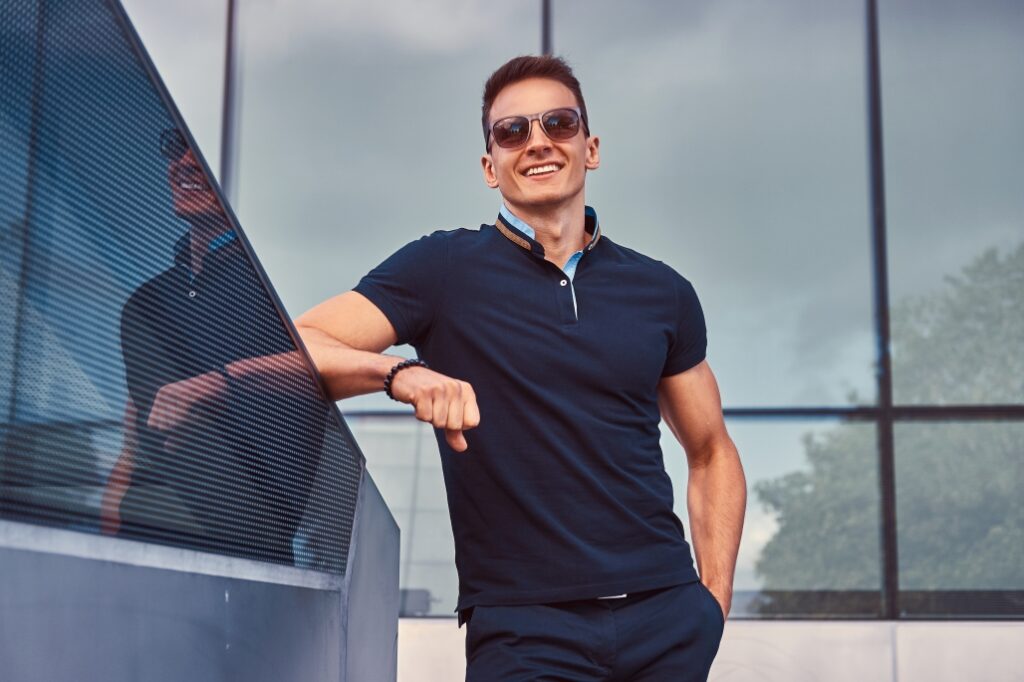
Fashion brands approach polo shirts differently. Instead of focusing solely on function, they use polos as a canvas for brand identity, styling, and seasonal storytelling.
Fabric Choices for Fashion Polos
Honeycomb Cotton
This fabric offers visual texture and softness, making it suitable for lifestyle collections. It works well for brands seeking a casual yet elevated feel.
Interlock Cotton or Cotton Blends
Interlock fabrics provide a smooth, clean surface. They are ideal for minimalist designs and subtle branding.
Modern Polyester Blends
Some fashion brands intentionally use polyester blends to achieve a sporty, contemporary aesthetic that aligns with athleisure trends.
Design Directions
Fashion polos often experiment with fit and detail. Oversized silhouettes, cropped lengths, contrast collars, and buttonless plackets are increasingly common. Seasonal color palettes and limited drops help brands keep polo shirts relevant without overcommitting inventory.
From a manufacturing standpoint, clear communication on fit specifications and finishing standards is essential to translate design intent accurately.
Beyond the Basics: New Polo Shirt Ideas for Brands
While the classic polo remains strong, many brands explore variations to differentiate their offerings.
Some develop long-sleeve polos for cooler environments or transitional seasons. Others introduce unisex fits to simplify sizing and inventory management. Polo dresses and layered polo designs also appear in lifestyle collections.
For corporate clients, convertible polos that transition from work to casual settings are gaining attention. These designs help organizations present a modern image without sacrificing practicality.
The key is not reinvention for its own sake, but thoughtful adaptation that aligns with brand positioning and end use.
Manufacturing Considerations: What Brands Should Think About Early
Successful polo shirt production starts long before sampling. Brands that clearly define purpose, market, and volume expectations tend to experience smoother development cycles.
Early decisions around fabric selection, fit tolerance, and branding methods significantly impact cost, lead time, and scalability. For example, embroidery placement affects production efficiency, while fabric choice influences minimum order quantities.
Manufacturers that work closely with brands during this stage can help identify trade-offs and prevent costly revisions later. A collaborative approach often leads to more consistent results across repeat orders.
Why Polo Shirts Remain a Strategic Product Category
Despite constant changes in fashion and work culture, polo shirts continue to offer stability. They are familiar to consumers, accepted across industries, and adaptable to new materials and designs.
For brands, polo shirts provide a foundation product with predictable demand. For corporate buyers, they deliver functionality without appearing outdated. For manufacturers, they offer scalability and repeatability.
Rather than being a basic item, the polo shirt remains a strategic garment when designed and produced thoughtfully.
Conclusion: Building Polo Shirts That Last
The enduring appeal of polo shirts lies in their balance. They bridge formal and casual, performance and style, tradition and innovation. For brands and corporate uniform buyers, understanding this balance is essential to making informed manufacturing decisions.
By considering history, current trends, fabric performance, and production realities, businesses can develop polo shirts that meet today’s needs while remaining relevant in the long term.
At Tris Apparel, we believe long-lasting products come from clear communication, realistic expectations, and steady collaboration. Polo shirts are not just about style—they are about purpose, consistency, and trust built over time.
Looking for versatile polo shirts for your brand or uniform program? Contact us today.