Apparel Sampling: The Foundation of Every Successful Production
Introduction
In apparel manufacturing, apparel sampling is not just a preliminary stage — it’s a strategic checkpoint.
For brand owners and sourcing teams, sampling bridges creative vision and production reality. It ensures every stitch, fabric choice, and measurement aligns with the brand’s intent before mass production begins.
Yet, many startups underestimate this step, seeing it as an extra cost or delay. In truth, the apparel sampling process safeguards your investment, strengthens communication, and builds trust between you and your manufacturing partner.
- Introduction
- What Is Apparel Sampling — and Why It Matters in Apparel Industry
- The Business Purpose Behind Apparel Sampling
- Apparel Sampling as a Communication Bridge Between Brand and Manufacturer
- Types of Apparel Samples and Their Functions
- Why Skipping Apparel Sampling Often Backfires
- How the Apparel Sampling Process Reflects a Manufacturer’s Professionalism
- How Sampling Supports Brand Development and Long-Term Growth
- Common Misconceptions About Sampling in Apparel Manufacturing
- How to Get the Most Out of Your Apparel Sampling Phase
- Conclusion: Sampling Is the Starting Point of Every Successful Apparel Brand
What Is Apparel Sampling — and Why It Matters in Apparel Industry
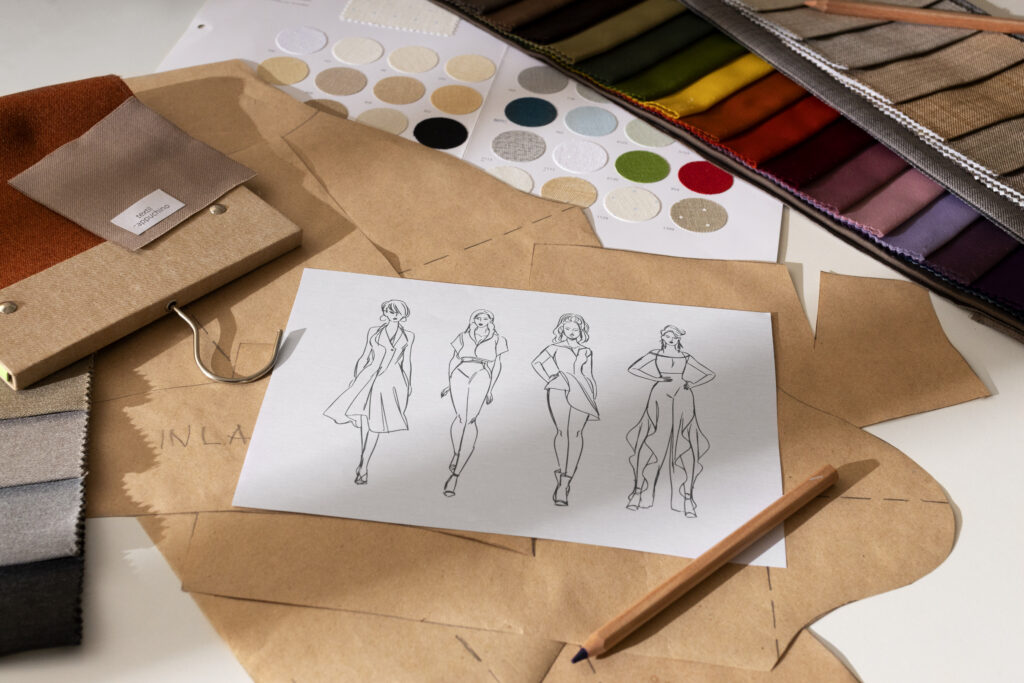
Apparel sampling is the process of creating prototype garments to evaluate design accuracy, fit, material behavior, and workmanship before production.
For sourcing managers and apparel brands, this stage is the foundation of production success. It allows you to:
- Verify the fit and construction align with your target market.
- Confirm fabric compatibility, especially after washing or sewing.
- Evaluate factory precision and communication quality.
- Establish clear production standards for bulk orders.
In the apparel industry, sampling is more than a trial; it’s an alignment tool that defines quality, efficiency, and reliability. For a broader understanding of how sampling principles begin from the material stage, see Textile Learner’s guide on sampling techniques in textile production — an educational overview of how fiber and yarn sampling impacts garment consistency later in production.
The Business Purpose Behind Apparel Sampling
Every sample is a small investment that prevents large-scale loss.
A single wrong measurement can multiply into hundreds of defective garments, causing waste and brand risk.
The apparel sampling process helps brands:
- Identify technical issues before production.
- Compare fabric, trims, or color options effectively.
- Build a shared visual reference for approvals.
- Evaluate a manufacturer’s capability and attention to detail.
Ultimately, apparel sampling serves as a mutual commitment stage — where both brand and manufacturer align on clarity, standards, and expectations before scaling production.
Apparel Sampling as a Communication Bridge Between Brand and Manufacturer
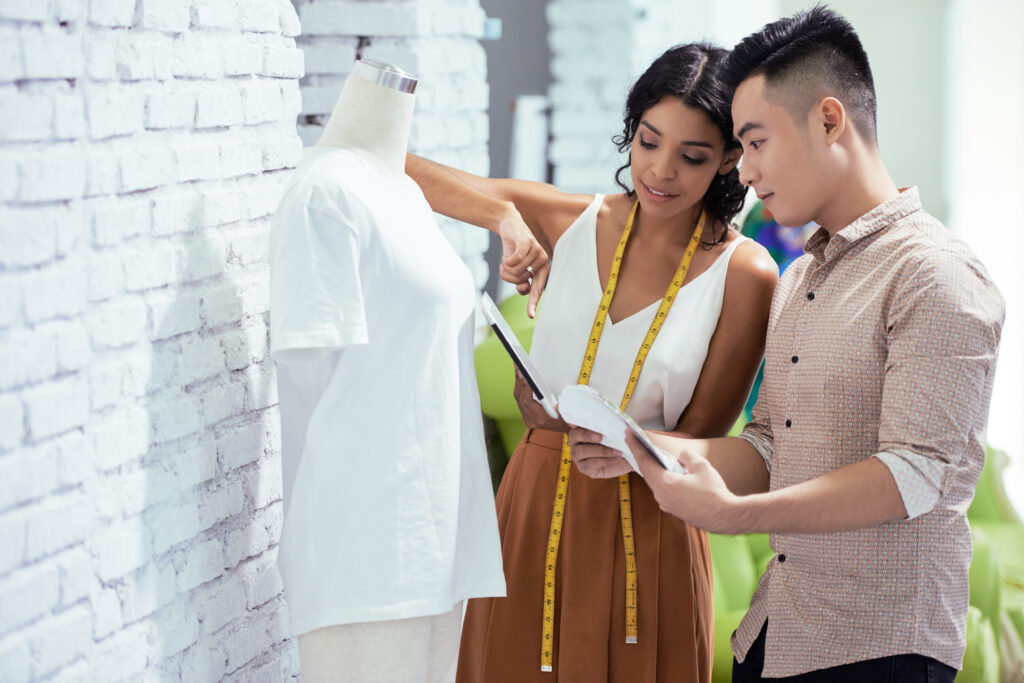
Effective garment sampling is not just about product development — it’s about communication.
Even with a detailed tech pack, visual interpretation can differ.
A physical sample closes that gap.
During this stage, both sides evaluate:
- Stitching methods and seam types
- Label and logo placements
- Color tone accuracy
- Fit and comfort feedback
A professional manufacturer uses this process to listen, adjust, and align.
That’s why Tris Apparel treats sampling as a collaborative checkpoint, not just a production step — ensuring the final product truly reflects your brand vision.
Learn more about our Apparel Manufacturing and Sampling Services.
Types of Apparel Samples and Their Functions
Understanding the types of samples helps brand owners plan production schedules and manage expectations.
Here’s how they generally progress:
- Development Sample (Proto Sample)
→ Tests initial design interpretation and feasibility. - Fit Sample
→ Focuses on measurement accuracy and comfort adjustments. - Pre-Production Sample (PPS)
→ Final approved version for bulk manufacturing, reflecting actual fabric and trims. - Size Set Sample
→ Verifies size grading consistency across multiple fits. - Salesman / Marketing Sample
→ Used for photography, trade fairs, or retail previews before production shipment.
Each stage of the garment sampling process minimizes future risk and ensures all teams — design, sourcing, and production — are in sync.
Why Skipping Apparel Sampling Often Backfires
Some startups or small labels assume skipping sampling will save cost or time.
In reality, it often leads to greater financial and operational loss later:
- Inconsistent fit: resulting in unsellable inventory.
- Fabric or color mismatch: due to untested materials.
- Misinterpreted details: leading to rework and wasted production time.
- No reference for disputes: approvals become unclear without sample proof.
For B2B buyers and brand founders, sampling acts as a risk management tool that keeps both brand reputation and production efficiency intact.
How the Apparel Sampling Process Reflects a Manufacturer’s Professionalism
The way a factory manages apparel sampling reveals its true capabilities. A professional manufacturer treats every sample like a full-order production — with accuracy, communication, and transparency.
Indicators of a capable manufacturer include:
- Punctual sample submission
- Clean finishing and accurate measurements
- Honest communication on limitations or alternatives
- Detailed feedback for continuous improvement
Understanding how sampling fits within OEM and ODM manufacturing models can also help brands choose the right partnership structure. Learn more in OEM vs ODM: Choosing the Right Manufacturing Model.
Professional sampling practices not only demonstrate technical skill but also build buyer confidence before moving to large-scale production.
How Sampling Supports Brand Development and Long-Term Growth
Beyond technical validation, apparel sampling is also a tool for brand evolution.
It enables apparel companies to:
- Test new design directions safely.
- Evaluate customer response through sample pieces.
- Establish brand consistency across collections.
- Strengthen supplier partnerships through shared standards.
For brands entering new product categories — such as activewear or uniforms — sampling becomes a strategic experiment stage, ensuring readiness before investing in full production.
Common Misconceptions About Sampling in Apparel Manufacturing
Let’s address the common misunderstandings that often confuse new buyers:
| Misconception | Reality |
|---|---|
| “Sampling is only for big brands.” | Every brand, even startups, needs samples to avoid costly errors. |
| “One sample is enough.” | Each sampling stage serves a specific validation purpose. |
| “Sampling adds unnecessary cost.” | It prevents mass-production issues that cost far more. |
| “The factory should bear the sampling cost.” | Sampling involves real labor, materials, and technical expertise. |
Understanding these facts empowers brands to view sampling as an investment, not an expense.
How to Get the Most Out of Your Apparel Sampling Phase
To make your apparel sampling process efficient and productive:
- Provide detailed tech packs with clear references and measurements.
- Communicate feedback fast to avoid approval delays.
- Review photos and measurement reports before requesting courier dispatch.
- Document revisions and feedback for traceability.
- Build relationships, not transactions — treat sampling as a mutual development stage.
This approach sets the foundation for long-term collaboration and production success.
Conclusion: Sampling Is the Starting Point of Every Successful Apparel Brand
The true purpose of apparel sampling goes far beyond visual approval — it represents accuracy, partnership, and accountability. For brand owners and sourcing teams, skipping this step may save time in the short term, but it often results in costly misalignment later.
By prioritizing the apparel sampling process, you strengthen product consistency, safeguard investments, and build trust with your manufacturing partner — all essential for long-term brand growth.
Ready to turn your ideas into production-ready garments?
Contact Tris Apparel to begin your apparel sampling journey with a partner committed to precision and reliability.