Your Brand’s Guide to Spring Summer
2026 Fashion Trends
Introduction
The Spring/Summer 2026 fashion trends are redefining how global apparel brands approach design, material selection, and production planning. As the industry continues to balance creativity with commercial sense, individual expression, versatile workwear, and transformative color palettes are set to shape the season’s collections.
For apparel brands across Asia and beyond, 2026 represents a shift from mass-driven uniformity toward intentional design choices that reflect both brand identity and consumer lifestyle changes. This article explores the key directions — from silhouettes to fabrics — and how forward-thinking brands can strategically respond.
- Introduction
- 1. The Return of Individualism: Expressive Yet Commercial
- 2. Layering as a Design Language
- 3. The Wide-Leg Continuum: Redefining Bottom Silhouettes
- 4. Tailored Precision: The Revival of Workwear
- 5. The Cargo Renaissance: Function Meets Refinement
- 6. Color Forecast: Butter, Amber, and Transformative Teal
- 7. Fabrics and Textures: Practicality with Personality
- 8. Prints and Patterns: Controlled Creativity
- 9. Translating Trends into Brand Strategy
- Conclusion: Turning 2026 Trends into Opportunity
1. The Return of Individualism: Expressive Yet Commercial
A defining force behind Spring/Summer 2026 fashion trends is individualism — not in an extreme, unwearable sense, but through subtle uniqueness that brands can translate into real, sellable products.
According to Vogue Business, 2026 continues the evolution of “quirky maximalism” balanced with sophisticated minimalism. This means brands should look beyond basic designs, infusing distinct features like asymmetrical cuts, puff sleeves, and layered detailing into commercial-ready silhouettes.
For apparel brands, this isn’t about reinventing the wheel — it’s about subtle differentiation. Retail buyers are now seeking designs that feel personal, yet remain cost-efficient to produce. Incorporating modular elements, such as detachable collars or dual-purpose garments, allows brands to deliver individuality within scalable production limits.
2. Layering as a Design Language
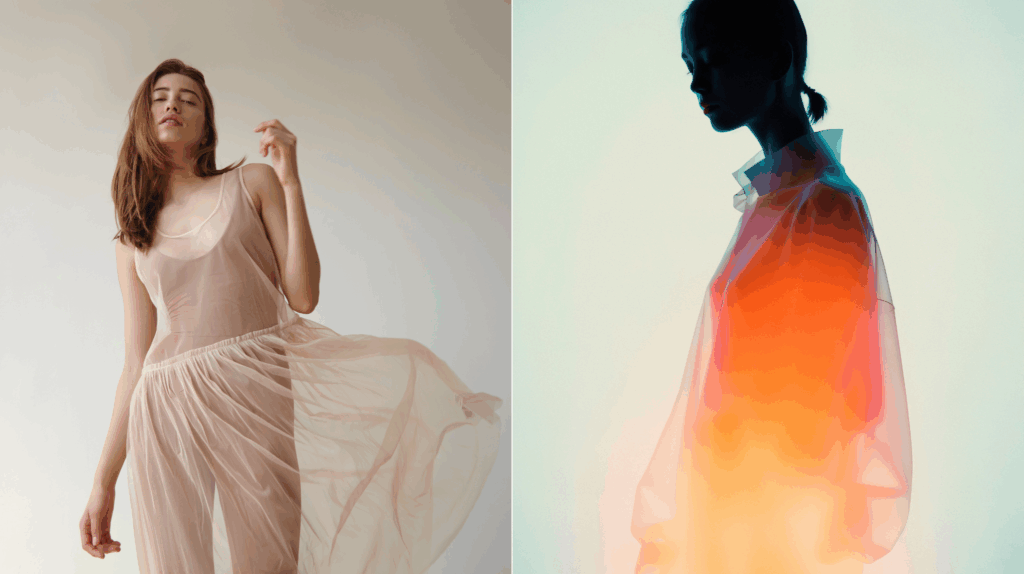
Layering will play a pivotal role in the SS2026 apparel forecast, offering brands opportunities to experiment with textures, transparency, and proportion.
Industry analysis from FashionUnited highlights artistic layering — from sheer overlays to structured outer shells — as one of the key visual signatures of the season. For brands, this trend encourages creative direction without overcomplicating manufacturing.
How Brands Can Leverage It:
- Develop layer-friendly base garments (light tanks, slip dresses, mesh tops) that work across multiple collections.
- Introduce sheer or semi-sheer overlays that can be reused or styled differently, supporting capsule concepts.
- Collaborate with manufacturing partners to explore lightweight, breathable fabrics that maintain layering comfort even in tropical climates.
3. The Wide-Leg Continuum: Redefining Bottom Silhouettes
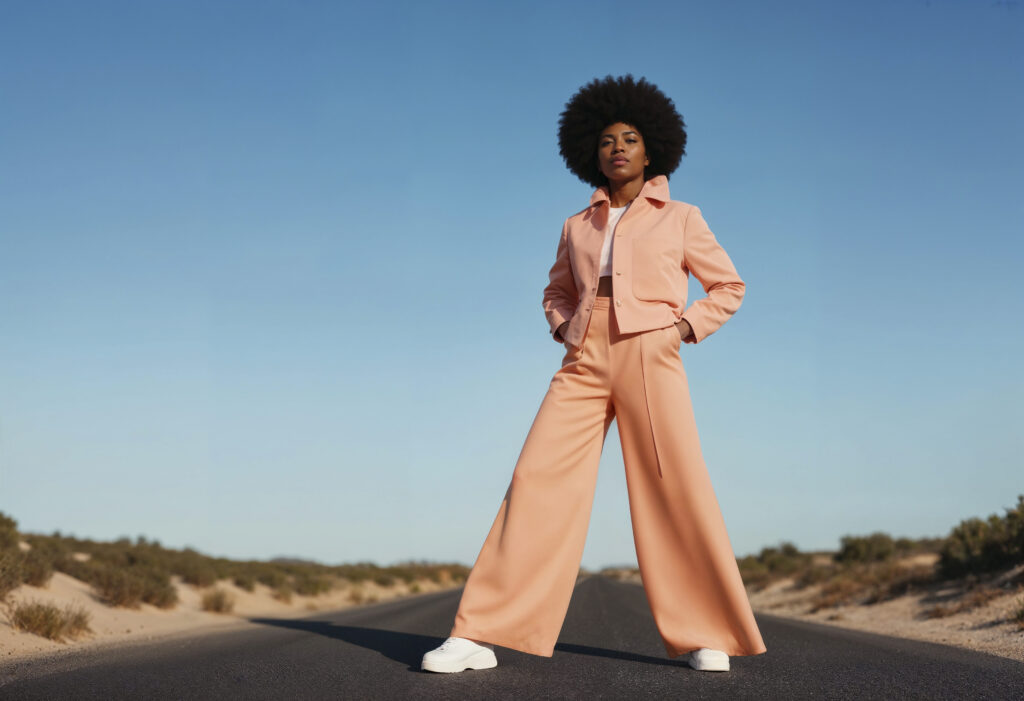
The wide-leg revolution that began seasons ago continues its dominance into Spring/Summer 2026. This silhouette aligns perfectly with both comfort-driven dressing and sophisticated workwear aesthetics.
However, this time, the wide-leg evolution comes with new twists — bubble culottes, cropped flares, and tailored trousers with structural volume. These pieces create movement and shape without sacrificing wearability, appealing to both menswear and womenswear segments.
For apparel brands, the wide-leg trend opens a valuable opportunity to:
- Streamline patterns across categories (uniforms, activewear, and resortwear).
- Offer custom-fit options through adjustable waistbands or fabric stretch variations.
- Combine soft-flow fabrics (rayon, viscose blends) with tailored finishes, achieving a modern hybrid look.
This direction also signals a shift toward fluid silhouettes, where gender-neutral appeal supports inclusive marketing — a key consideration for brands targeting Gen Z and millennial consumers.
4. Tailored Precision: The Revival of Workwear
One of the most commercially viable workwear trends 2026 is the return of tailored precision — modern suits, blazers, and structured separates reimagined for hybrid lifestyles.
The line between professional and casual wear continues to blur. Brands are therefore reinterpreting formality through comfort and functionality. Think lightweight linen blazers, cropped trousers, and soft-shoulder tailoring that adapt to both office and off-duty settings.
Action Points for Brands:
- Invest in structured yet flexible fabrics, such as stretch blends or wrinkle-resistant cottons.
- Embrace contrast piping, decorative seams, or two-tone linings to elevate visual appeal.
- Explore modular tailoring — jackets with detachable sleeves or convertible vests for climate versatility.
This movement is particularly relevant for apparel brands supplying corporate uniforms or lifestyle collections, as it merges brand image with comfort-driven practicality.
5. The Cargo Renaissance: Function Meets Refinement
Cargo pants are no longer just utilitarian. The cargo renaissance in Spring/Summer 2026 fashion trends redefines the look as sophisticated, city-ready, and fabric-driven.
Unlike previous oversized or rugged interpretations, the 2026 version focuses on sleeker fits, elevated materials, and clean pocket placement. These design updates bring a fresh relevance to both casualwear and semi-formal collections.
For Apparel Brands:
- Develop cargos in lightweight twill, polished cotton, or recycled blends to enhance mobility and comfort.
- Offer neutral tones (sand, khaki, charcoal) with subtle accent stitching for brand signature touches.
- Pair with tailored tops or minimalist blazers to balance functionality with refinement.
This blend of utility and style offers endless adaptability for menswear, activewear, and travel-inspired collections, creating strong export appeal for Southeast Asian manufacturers.
6. Color Forecast: Butter, Amber, and Transformative Teal
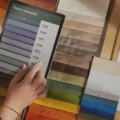
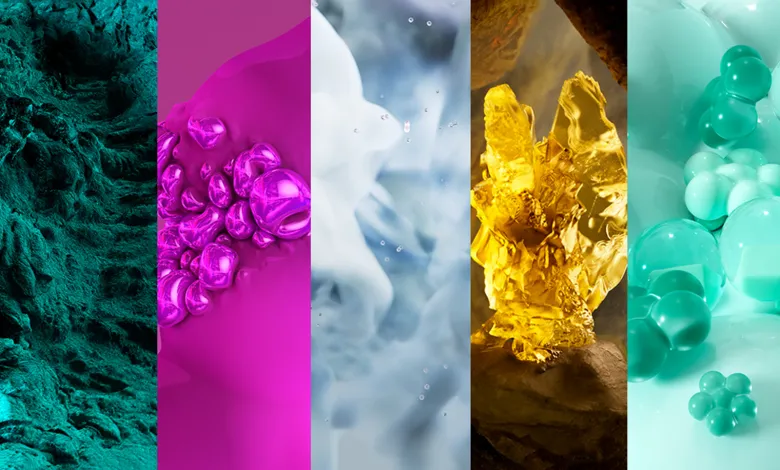
No trend report is complete without color. The Spring/Summer 2026 color trends highlight Electric Fuchsia, Blue Aura, Amber Haze, and Jelly Mint as key shades, offering a balance of vibrancy and calmness across collections. These tones convey optimism, energy, and freshness, making them highly adaptable for apparel brands planning versatile seasonal lines.
Color Strategy for Apparel Brands:
- Use Electric Fuchsia for bold accents or statement pieces in activewear and resortwear, drawing attention without overwhelming production flexibility.
- Incorporate Blue Aura in casualwear or uniforms to convey reliability and a sense of calm.
- Introduce Amber Haze as a transitional shade for daywear or lifestyle collections, offering warmth and sophistication.
- Experiment with Jelly Mint as a refreshing accent or secondary tone in kidswear, casual, or layering pieces.
Balancing these vibrant tones with earthy neutrals ensures cohesive, production-friendly combinations that appeal to buyers and simplify fabric sourcing.
7. Fabrics and Textures: Practicality with Personality
Brands are moving toward fabrics that feel expressive but remain easy to produce and maintain. Expect continued interest in:
- Sheer layering materials (organza, mesh, tulle) for artistic silhouettes.
- Luxe cotton blends for structured yet breathable workwear.
- Wrinkle-resistant and easy-care finishes that align with hybrid workwear lifestyles.
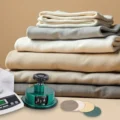
Factories and sourcing teams should emphasize tactile variation — combining smooth and textured fabrics in a single outfit to achieve depth without overdesigning.
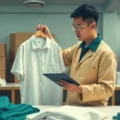
For brands working with manufacturing partners like Tris Apparel, collaboration around fabric sourcing and pre-production sampling can ensure that trend-forward details remain cost-effective and scalable.
8. Prints and Patterns: Controlled Creativity
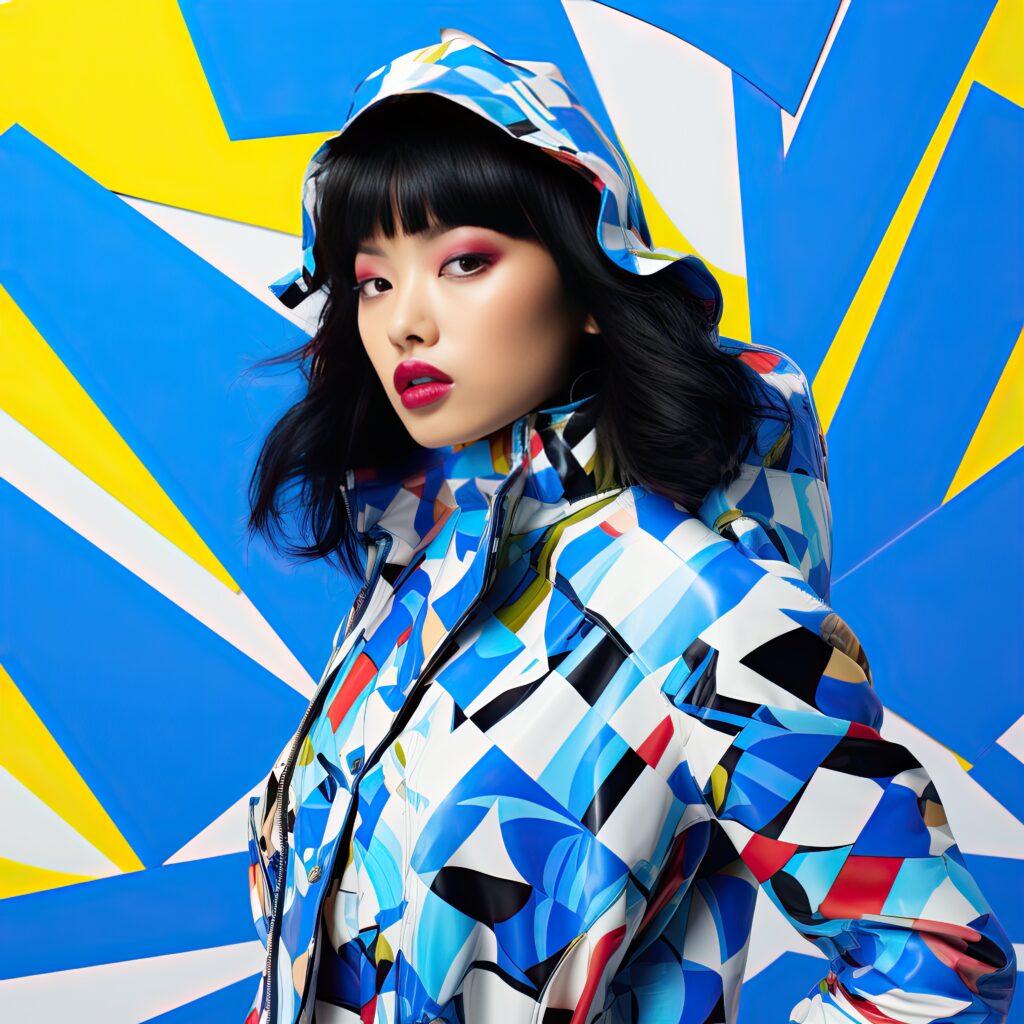
While prints are part of every summer season, Spring/Summer 2026 emphasizes balanced experimentation with a playful yet commercial approach. Brands can expect joyful, energetic designs featuring Impressionistic, watercolor-like florals, vibrant tropical motifs, and bold stripes in fresh color palettes, including Jelly Mint and Electric Fuchsia. This aesthetic — often called a “Playful Paradox” — mixes bright, unexpected combinations while remaining commercially viable.
Material & Tech Influence:
- Tactile textures: Plissé, soft knits, tulle, or natural-inspired surfaces.
- Digital printing & AI: Unique, hyper-personalized designs with reduced waste.
- Sustainable options: Eco-friendly dyes on organic cotton or recycled silk.
Action Points for Brands:
- Pair prints with neutral base pieces for versatile styling.
- Use micro-prints in professional collections and geometric or gradient patterns in activewear or resort lines.
- Test limited seasonal capsules before scaling production to manage demand efficiently.
9. Translating Trends into Brand Strategy
Apparel brands can’t simply copy runway aesthetics. The commercial challenge lies in interpreting trends through the lens of practicality — aligning design inspiration with fabric feasibility, price points, and consumer relevance.
To stay competitive, brands should:
- Conduct trend validation with regional suppliers and buyers.
- Create sample capsules early to test color and silhouette response.
- Partner with experienced manufacturers capable of translating abstract design into scalable collections.
With reliable partners, brands can turn trend insights into actual deliverables — a crucial advantage in today’s fast-moving production cycles.
Conclusion: Turning 2026 Trends into Opportunity
As global markets evolve, Spring/Summer 2026 fashion trends signal both creativity and commercial clarity. For apparel brands, the path forward isn’t just about following forecasts — it’s about adapting them strategically to local markets, materials, and buyer preferences.
By blending individual expression, tailored workwear, and color optimism, brands can create collections that feel modern, authentic, and manufacturable. Collaboration between design and production teams — like the partnerships fostered by Tris Apparel — ensures every trend can move from concept to consumer with purpose and precision.
Ready to plan your 2026 collection?
Partner with Tris Apparel for reliable design, manufacturing, and sourcing solutions tailored for your brand.
👉 Contact us today to start your next collection.