Fabric weight doesn’t define quality.
Introduction
In the apparel industry, many buyers still rely on touch and “feel” when evaluating fabrics. A heavier material is often assumed to be stronger, longer-lasting, and therefore of higher quality. This belief has created one of the most common misconceptions in textiles: the fabric weight vs. quality myth.
In reality, GSM (grams per square meter) is simply a measure of weight. It tells you how heavy a fabric is but says little about how well it performs. In this fabric weight guide, we’ll look at how GSM works, debunk GSM myths in apparel manufacturing, and explain fabric durability so buyers can make smarter sourcing decisions.
What Is GSM and Why It Matters in Apparel
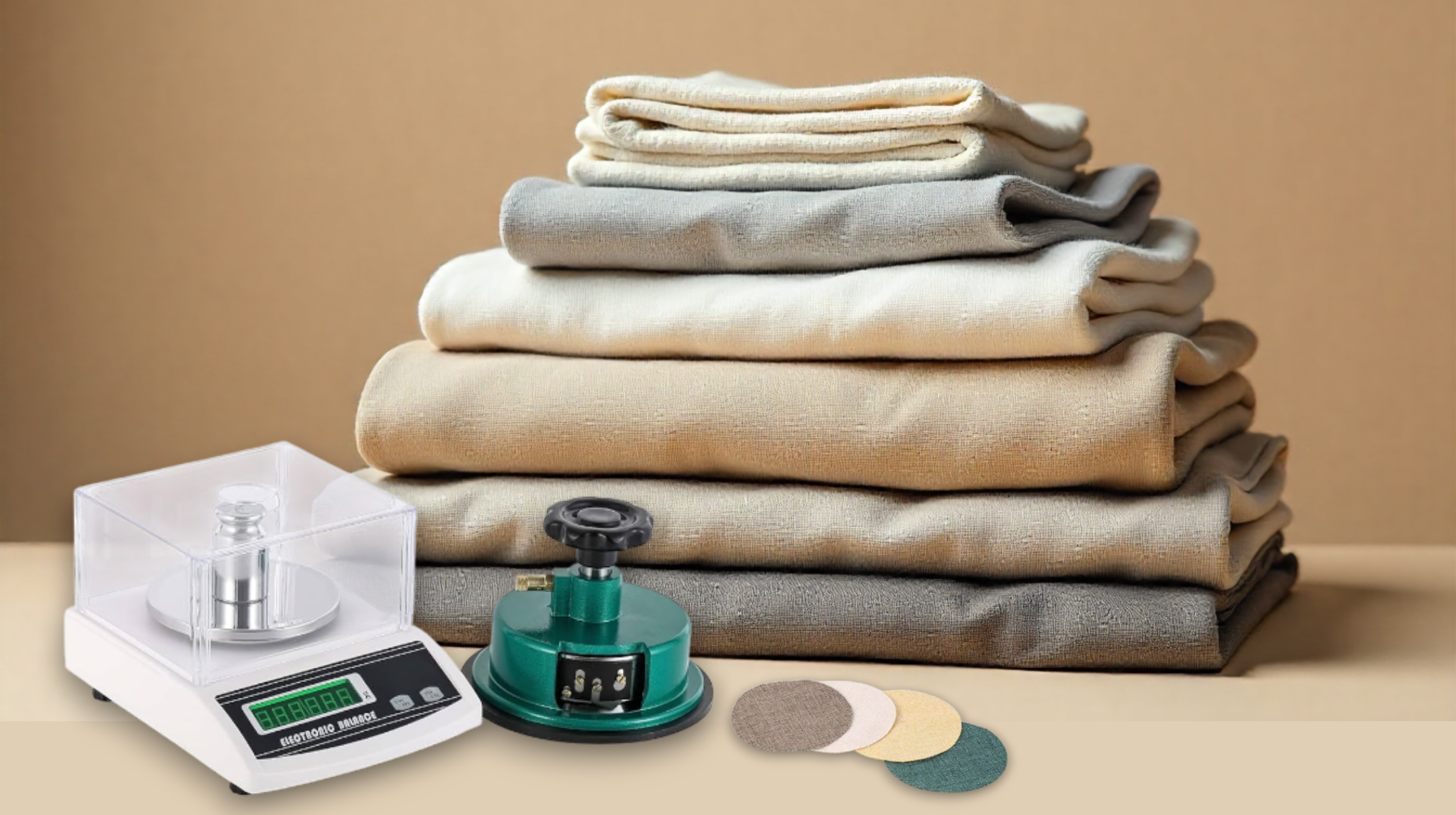
GSM (grams per square meter) is the global standard for measuring fabric weight. It helps manufacturers, sourcing teams, and designers compare fabrics quickly. A low GSM means a light fabric, while a high GSM means a heavier one.
Typical GSM Ranges:
- 120–160 GSM: Lightweight fabrics — T-shirts, summer dresses, baby clothing.
- 170–240 GSM: Medium-weight fabrics — uniforms, polo shirts, casual wear.
- 250–350 GSM: Heavy fabrics — hoodies, sweatshirts, outerwear.
- 350+ GSM: Specialty fabrics — structured jackets, denim, heavy-duty workwear.
👉 See our Fabric Guide for Clothing Brand for details on fabric sourcing and categories.
But here’s the truth: GSM does not automatically equal strength or comfort. A 280 GSM cotton fleece may feel thick but pill quickly after a few washes, while a 200 GSM polyester interlock can last much longer.
GSM Myths in Apparel Manufacturing
The fabric weight guide is incomplete without addressing the misconceptions buyers face. Here are the most common GSM myths in apparel manufacturing:
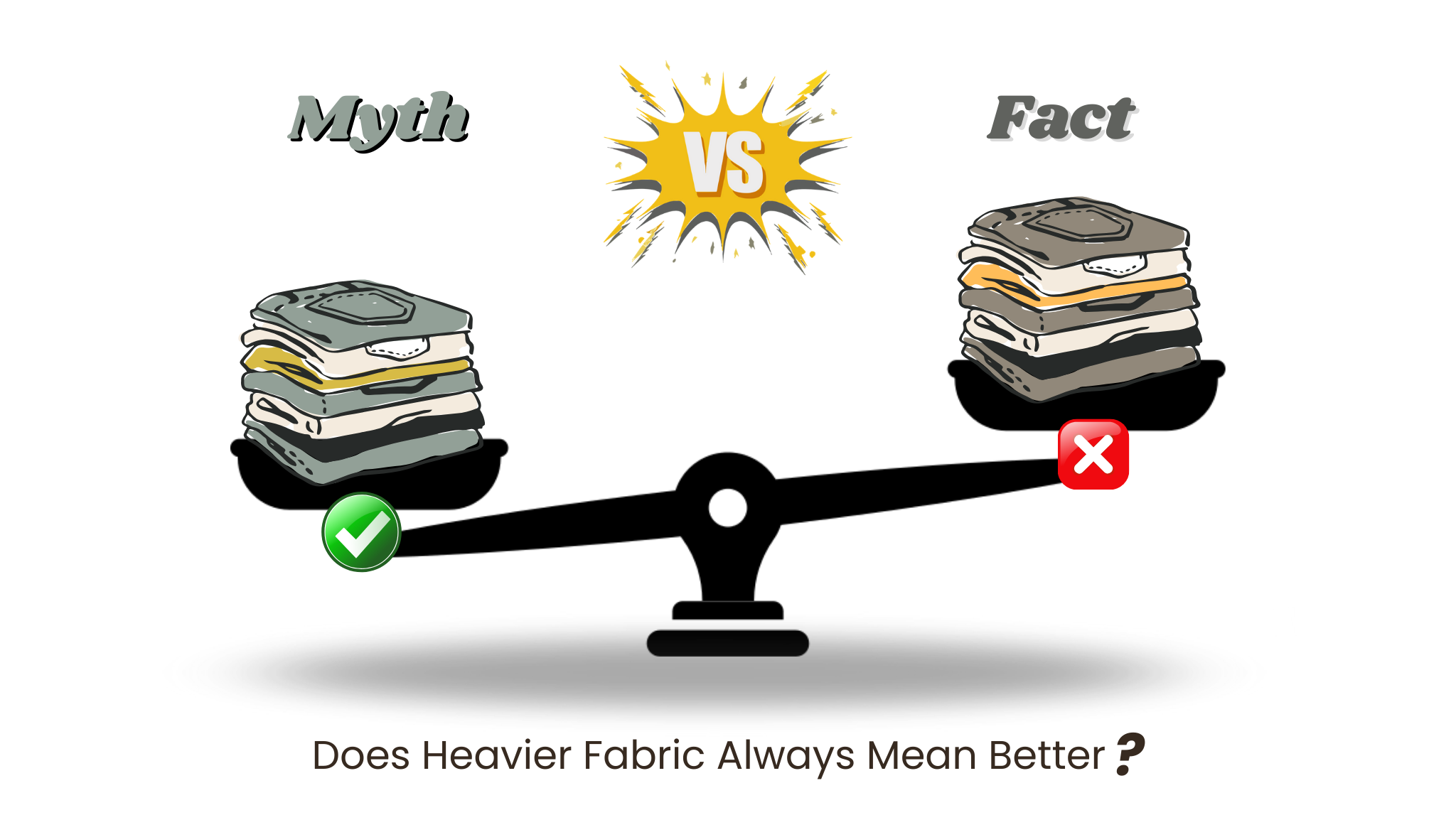
Myth 1: Higher GSM Always Means Better Quality
A 320 GSM fabric may be heavy, but if it uses weak fibers or has a loose weave, it can wear out faster than a lighter 200 GSM fabric with strong fiber and dense structure.
Myth 2: GSM Is the Only Factor in Comfort
Comfort depends more on fiber type and finishing than just fabric weight. A 160 GSM cotton jersey can feel cooler and more breathable than a 250 GSM polyester knit in tropical climates.
Myth 3: Thick Fabrics Are Best for Uniforms
Durability, wrinkle resistance, and ease of washing matter more than GSM alone. For uniforms, a 220 GSM poly-cotton blend often outperforms a heavier cotton fabric.
Myth 4: Lightweight Fabrics Are Always Weak
Not true. A 160 GSM nylon-spandex blend used in sportswear can stretch, recover, and resist tearing better than a heavier but loosely woven fabric.
Myth 5: GSM Defines Fabric Durability
Durability depends on the yarn type, fiber strength, and weaving or knitting method—not just GSM. A lower GSM twill weave may last longer than a higher GSM plain weave made with weaker yarns.
Myth 6: Higher GSM Is Always Warmer
Warmth is influenced by fiber and construction. A 300 GSM polyester fleece can provide more insulation than a 350 GSM woven cotton, because its brushed surface traps air for heat retention.
Myth 7: GSM Standards Are Universal
Measurement methods can vary between suppliers and regions. Humidity, testing equipment, and cutting technique affect GSM results, which is why clear specifications in tech packs are essential.
Fabric Durability Explained
Durability comes from a combination of elements, not just weight.
- Fiber Strength
- Polyester and nylon resist wear better than cotton.
- Blends (poly-cotton, poly-spandex) combine strength with comfort.
- Weave or Knit Density
- Tight weaves = longer life.
- Loose weaves = easy tearing, even if heavy.
- Yarn Quality
- Stronger, longer fibers = stronger fabric.
- Short, weak fibers = pilling, tearing.
- Finishing Treatments
- Moisture-wicking, anti-pilling, and shrink-resistant finishes add performance beyond GSM.
- Intended Use
- Fabrics for activewear, uniforms, and kidswear all require different balances.
👉 Reference: Fabric GSM Testing Methods
Case Study: Same GSM, Different Quality
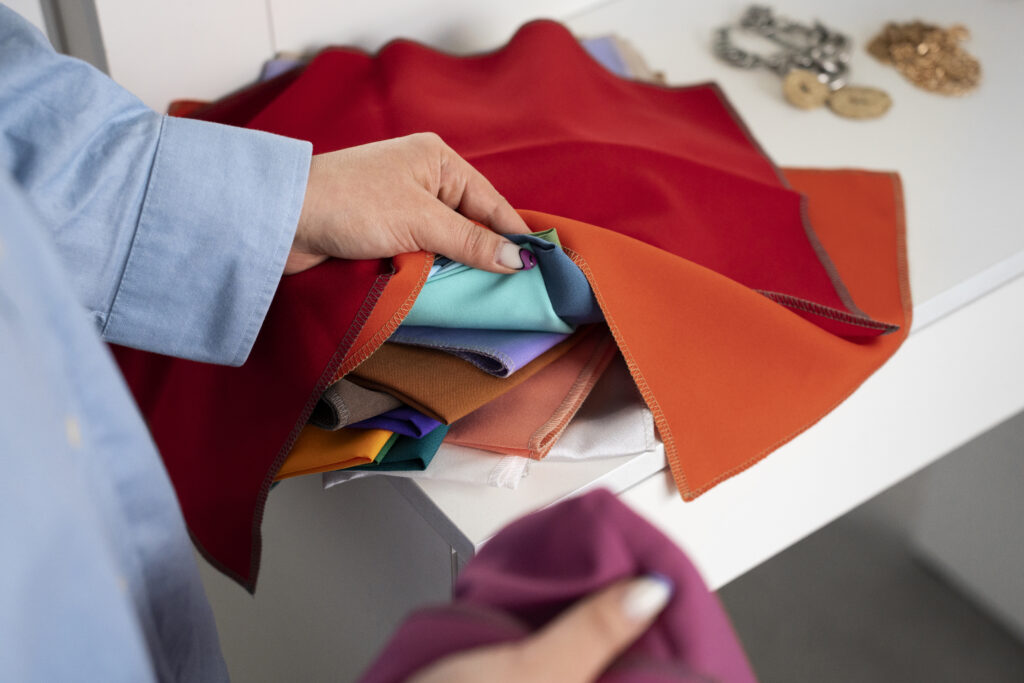
Imagine two fabrics, both at 220 GSM:
- Fabric A: 220 GSM cotton jersey, loosely knitted, no finishing. Feels heavy but shrinks after a few washes.
- Fabric B: 220 GSM polyester interlock, tightly knitted, moisture-wicking finish. Feels lighter but lasts longer, resists stretching, and dries faster.
This example shows why relying only on GSM is misleading. Fabric quality vs fabric weight must be analyzed in context.
Choosing Fabric for Apparel: Market Examples
When choosing fabric for apparel, buyers must match fabric properties to product goals.
- Activewear Brands: Need 200–240 GSM polyester-spandex blends for flexibility and sweat resistance.
- Uniform Buyers: Require 220–260 GSM poly-cotton fabrics that balance durability with comfort.
- Kidswear Brands: Should use 150–180 GSM tightly woven cotton for softness and frequent washing.
- Lifestyle/Streetwear Brands: Often choose 280–320 GSM fleece or French terry for hoodies and joggers.
- Workwear/Industrial Buyers: Depend on 300+ GSM twill or canvas for maximum resilience.
This is why the fabric weight guide must consider purpose, climate, and customer expectations.
Why the Fabric Weight vs. Quality Myth Persists
Even in 2025, sourcing teams and buyers often default to weight as their main benchmark. Why?
- It’s easy to measure compared to fiber testing.
- Many suppliers still promote GSM as a shortcut to “quality.”
- Buyers often equate “heavier” with “more durable” without lab testing.
The solution? A balanced evaluation — GSM + fiber + weave + finishing.
FAQs on Fabric Weight and GSM
Q1: What GSM is best for T-shirts?
Most T-shirts fall between 150–200 GSM, but it depends on whether the target market prefers lightweight summer wear or thicker streetwear tees.
Q2: Is higher GSM always better for durability?
No. Fabric durability explained shows that fiber type and weaving matter more than weight alone.
Q3: Does GSM affect fabric price?
Yes, higher GSM uses more material. But cost doesn’t guarantee quality if the fibers and finishing are poor.
Q4: How do brands choose GSM for different markets?
Asian markets often prefer lightweight fabrics (150–180 GSM) for hot climates, while European markets may favor mid-to-heavy GSM for warmth.
Conclusion
This fabric weight guide shows that GSM is important, but it is only one piece of the puzzle. Believing in GSM myths in apparel manufacturing can lead to costly mistakes in sourcing. True quality comes from analyzing fabric quality vs fabric weight — considering fiber, weave, finishing, and end-use.
At Tris Apparel, we help brands navigate beyond weight and choose fabrics that deliver on durability, comfort, and performance.
👉 Looking for fabrics that align with your brand’s goals? Contact us today to explore smarter sourcing solutions.