How to Choose Activewear Fabric for Custom Sportswear
Introduction
Choosing the right activewear fabric is an important part of developing custom sportswear. The fabric affects how a garment feels, moves, looks and performs during use. However, there is no single activewear fabric that works for every product. A training T-shirt, sports jersey, performance top, shorts or selected outerwear may require different fabric characteristics.
For brands developing custom sportswear, the decision involves more than choosing polyester or spandex. Activewear fabric types can differ in composition, GSM, stretch, construction, hand feel and performance characteristics. Features such as quick-dry, moisture management, anti-odour, antibacterial properties and UV protection may also be considered depending on the intended use.
This guide explains the main activewear fabric properties, common fabric options and how to match performance fabric for activewear to different sportswear requirements.
- Introduction
- Key Takeaways
- What to Consider When Choosing Activewear Fabric
- Performance Features to Consider in Activewear Fabric
- Common Activewear Fabric Types and Their Applications
- How to Match Performance Fabric to Different Sportswear Products
- Does Higher GSM Mean Better Activewear Fabric?
- How to Choose the Right Performance Features
- What to Prepare Before Requesting an Activewear Fabric Quote
- Why Fabric Sampling Matters Before Bulk Production
- Activewear Fabric Selection Checklist
- Final Thoughts
Key Takeaways
- There is no single best activewear fabric. The right choice depends on the product, intended use and desired performance.
- Fabric composition, GSM, construction, stretch and hand feel should be considered together.
- Performance features such as quick-dry, moisture management, anti-odour, antibacterial properties and UV protection serve different purposes.
- Higher GSM does not automatically mean better fabric or better performance.
- Different garments may require different activewear fabric types, even within the same sportswear collection.
- Sampling is an important step before confirming fabric and bulk production.
- A clear product brief helps a manufacturer review more suitable fabric options.
What to Consider When Choosing Activewear Fabric
Before comparing different activewear fabric types, it helps to define what the finished garment needs to do. A fabric that works well for a lightweight training T-shirt may not provide the structure or feel required for joggers or selected outerwear.
Several factors should be considered together.
Fabric Composition
Composition describes the fibres used to make the activewear fabric. Polyester is commonly used in sportswear and can be developed into different knitted constructions. Spandex, also known as elastane, may be blended with other fibres when additional stretch is required.
For example, a polyester-spandex fabric may be considered for a performance top where flexibility is important. A polyester fabric with a suitable knit construction may be more appropriate for a lightweight training T-shirt or sports jersey.
Composition alone does not tell you everything about fabric performance. Two fabrics with similar fibre compositions can still feel and perform differently because of their yarn, knitting construction, GSM and finishing.
GSM and Fabric Weight
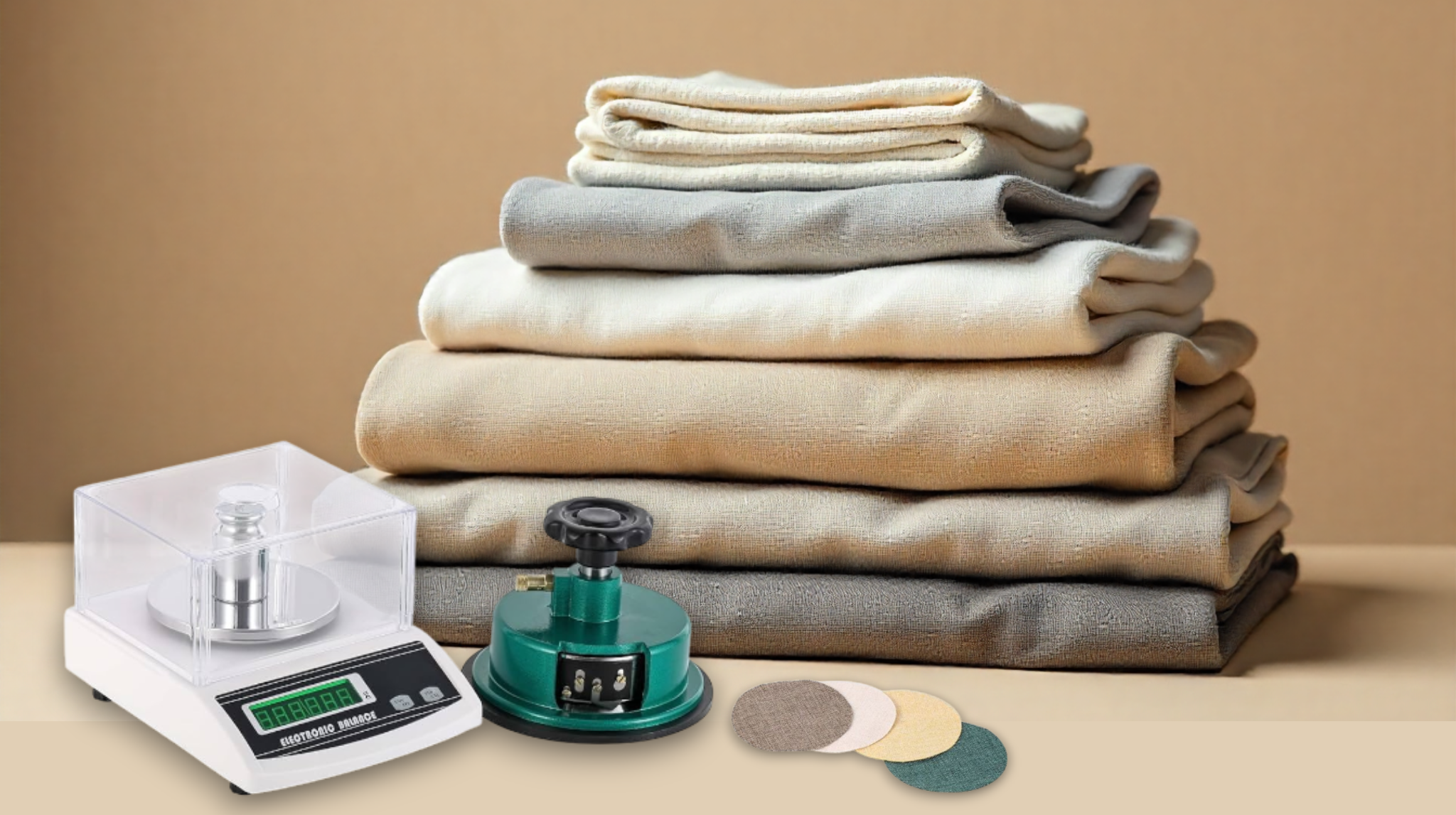
GSM means grams per square metre and is commonly used to describe the weight of textile fabric.
When comparing activewear fabric types, GSM can help brands understand whether a fabric is relatively lightweight or heavier. However, higher GSM does not automatically mean that a fabric is better.
A lightweight training T-shirt may require a different GSM from a pair of joggers. Likewise, two fabrics with the same GSM can have different hand feels and performance because their construction and composition differ.
Therefore, GSM should be considered together with the intended garment, fabric construction, stretch, breathability and desired appearance.
Stretch and Recovery
Stretch is another important activewear fabric property, particularly for garments that need to accommodate movement.
The amount and direction of stretch can affect:
- Freedom of movement
- Garment fit
- Comfort during activity
- Shape retention
- Overall appearance
Stretch recovery is equally important. A fabric may stretch easily, but the garment also needs to return appropriately towards its original shape after movement.
The right stretch level depends on the product. Training T-shirts and sports jerseys may require moderate flexibility, while selected performance tops may have different requirements.
Hand Feel and Fabric Construction
The way an activewear fabric feels in the hand can influence the comfort and appearance of the finished garment.
Brands may need to consider whether the fabric should feel:
- Smooth or textured
- Lightweight or substantial
- Soft or structured
- Matte or slightly lustrous
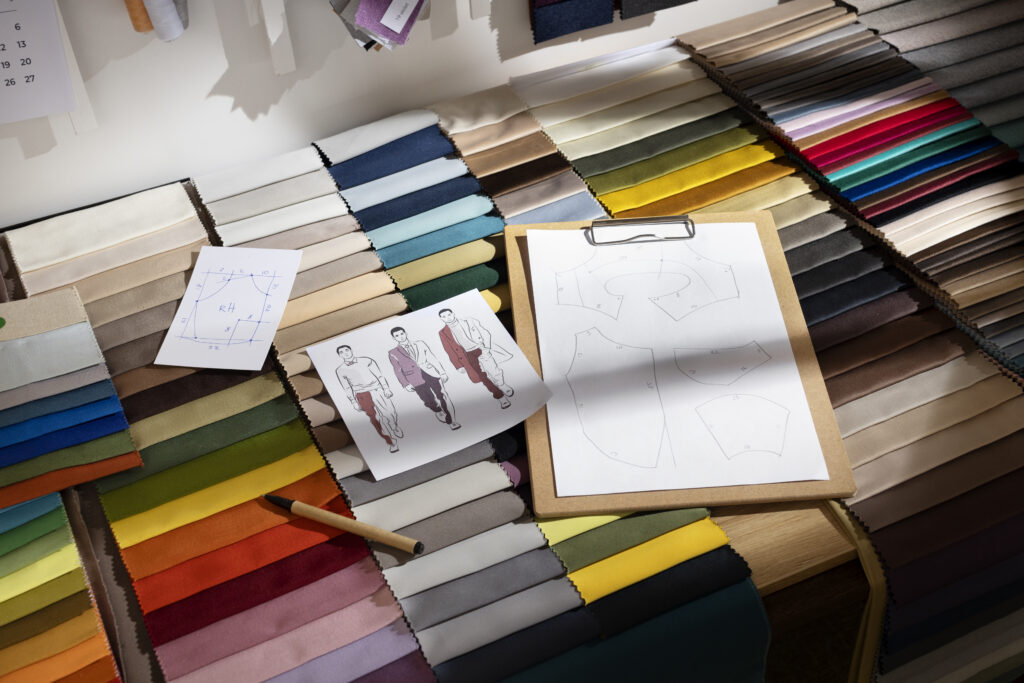
Fabric construction also affects breathability, drape and surface appearance. Therefore, reviewing an actual fabric swatch is often more useful than selecting a fabric based only on its composition or GSM.

Performance Features to Consider in Activewear Fabric
Modern performance fabric for activewear can be developed with different functional characteristics. These features should be selected according to the intended application rather than added simply because they sound technically advanced.
For a broader overview of sportswear properties and types, see this guide from Textile Learner.
Quick-Dry Fabric
Quick-dry performance relates to how quickly moisture can dry from the fabric under particular conditions. This can be useful for training T-shirts, sports jerseys and other garments used during physical activity. However, quick-dry performance should not be treated as a universal characteristic with the same result across every fabric.
Drying behaviour can vary according to fabric construction, fibre characteristics, moisture absorption and environmental conditions.
Moisture-Wicking Fabric
Moisture-wicking relates to the movement of liquid moisture through the fabric. A moisture-wicking activewear fabric can help move moisture across or away from the area where it is produced, depending on the fabric construction and treatment.
It is useful to distinguish moisture-wicking from quick-dry performance.
Moisture-wicking concerns moisture movement, while quick-dry concerns how quickly moisture dries. The two features can work together, but they are not exactly the same.
For brands comparing activewear fabric properties, this distinction can help create a more specific fabric requirement.
Anti-Odour Fabric
Anti-odour properties may be considered for sportswear that is expected to be worn during extended or repeated activity.
The technology used can vary between fabrics and treatments. Therefore, brands should ask the fabric supplier what type of anti-odour performance is offered and what product conditions it is intended for.
Rather than simply requesting “anti-odour fabric”, it can be more useful to specify the intended garment, activity and expected usage.
Antibacterial Fabric
Antibacterial properties are another possible activewear fabric property. These fabrics or treatments are designed to help inhibit or control bacterial activity under specified conditions.
The exact performance can vary depending on the fabric and treatment. If antibacterial performance is important to the product, the specific fabric specification should be confirmed before production.
This is particularly useful when developing a product brief because it gives the manufacturer a clearer understanding of what the brand is trying to achieve.
UV Protection
UV protection can be considered for sportswear intended for outdoor activities. The level of protection can depend on factors such as fabric construction, fibre characteristics, colour, coverage and any specific treatment.
A general “UV protection” description should not automatically be interpreted as a specific protection level. If a particular level is important to the product, confirm the fabric specification before making product claims.
Breathability
Breathability is another important activewear fabric property, particularly in warm or humid environments. Fabric construction plays an important role. Lightweight structures and mesh constructions can provide different airflow characteristics from denser fabrics.
For this reason, breathability should be considered together with GSM, construction, moisture management and the intended garment.

Common Activewear Fabric Types and Their Applications
There are many activewear fabric types, but the right choice depends on the finished product and its intended use.
Polyester
Polyester is widely used as fabric for sportswear and can be developed into different knitted constructions.
It may be considered for:
- Training T-shirts
- Sports jerseys
- Performance tops
- Selected shorts
The final performance still depends on the particular fabric construction and specifications.
Polyester Spandex
Polyester-spandex blends combine polyester with an elastic fibre to provide additional stretch. This type of activewear fabric may be considered for performance tops, selected shorts and other garments where flexibility is important.
The percentage of spandex, fabric construction and recovery characteristics should be reviewed rather than selecting a blend based only on fibre percentages.
Interlock
Interlock is a knitted construction that can provide a smooth and relatively structured surface. Depending on its exact specification, interlock may be considered for training tops and selected sportswear applications.
Lycra Jersey
Lycra jersey can provide a stretch-oriented fabric option for selected activewear applications. As with other activewear fabric types, the exact weight, composition, construction and finish should be checked before confirming its suitability for a particular garment.
How to Match Performance Fabric to Different Sportswear Products
Instead of asking which performance fabric for activewear is the best, start with the requirements of the garment.
Training T-Shirts
A training T-shirt may prioritise:
- Lightweight construction
- Moisture management
- Quick-dry performance
- Breathability
- Comfortable hand feel
Sports Jerseys
Sports jerseys may require:
- Lightweight construction
- Moisture management
- Breathability
- Suitable surface characteristics for printing
- Comfortable movement
Performance Tops
A performance top may require a combination of:
- Stretch and recovery
- Moisture management
- Quick-dry characteristics
- Suitable hand feel
- Anti-odour properties, where required
Training Shorts
For training shorts, brands may consider:
- Stretch and movement
- Fabric weight
- Quick-dry performance
- Durability
- Comfort
Joggers and Track Pants
Joggers and track pants generally require different fabric considerations from lightweight tops.
Weight, structure, stretch, comfort and durability can become more important depending on the intended use.
Selected Outerwear
For selected sports outerwear, brands may need to consider:
- Lightweight construction
- Layering
- Breathability
- Intended outdoor use
- Fabric structure and appearance
The important point is that activewear fabric properties should follow the product requirement. A fabric does not need every possible performance feature to be suitable.
For brands looking for custom activewear production in Malaysia, explore our Activewear Manufacturer Malaysia page to see the activewear products and production scope we support.
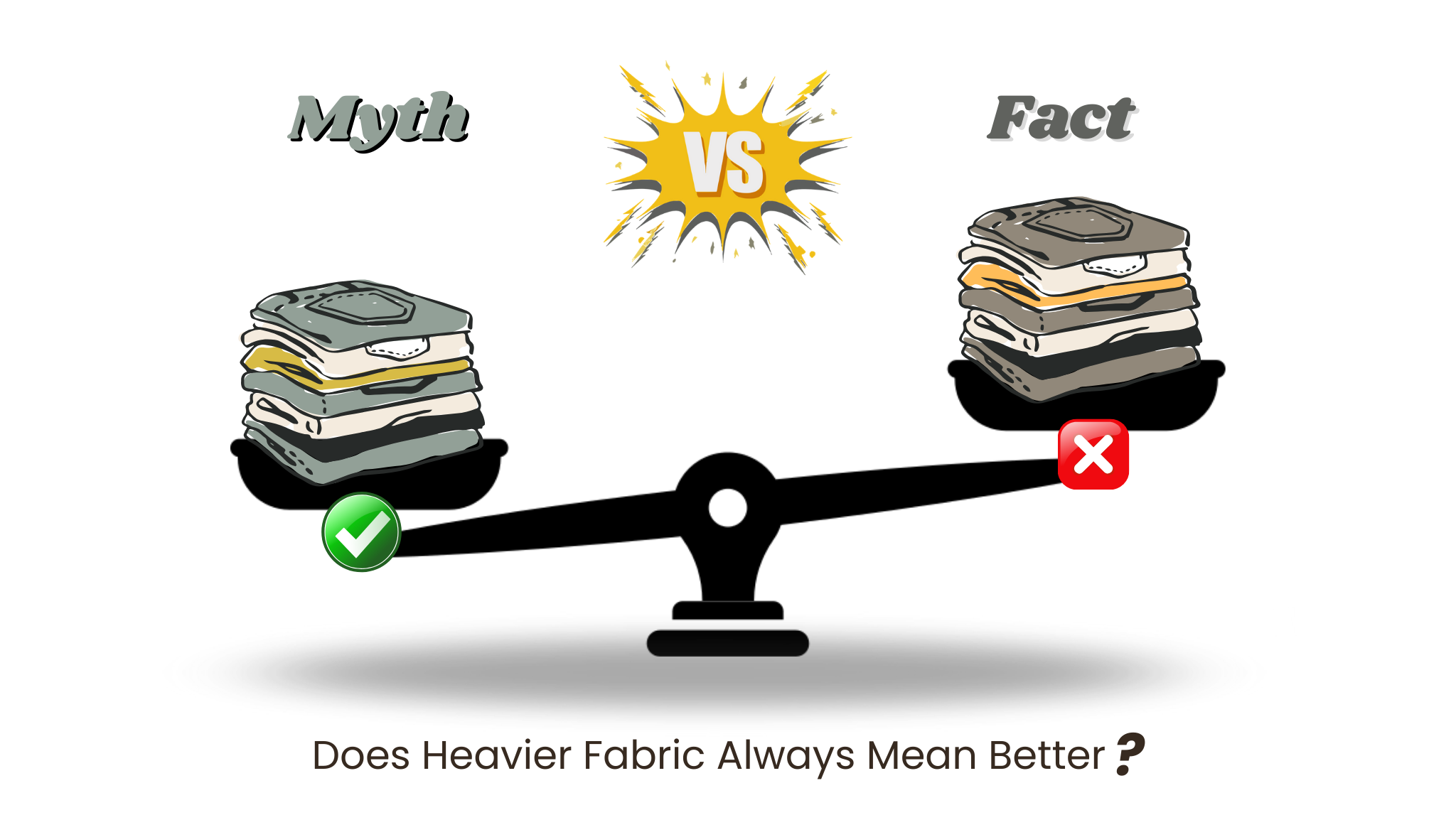
Does Higher GSM Mean Better Activewear Fabric?
No. GSM is useful, but it should not be used as a standalone measure of fabric performance.
A higher-GSM fabric may provide a more substantial feel, while a lower-GSM fabric may be more suitable where lightweight construction is required. However, composition, knitting construction, yarn, finishing and intended application all influence the final result.
For example, a lightweight training T-shirt may benefit from a lighter fabric with suitable moisture management, while joggers may require a more structured fabric.
When comparing activewear fabric types, it is more useful to ask:
- What is the garment?
- How will it be used?
- What fabric feel is required?
- How much stretch is needed?
- Is moisture management important?
- Is quick-dry performance required?
- Is UV protection relevant?
- Are anti-odour or antibacterial properties required?
A practical fabric specification is usually more useful than choosing a GSM number in isolation.

How to Choose the Right Performance Features
A useful approach is to start with the end use and work backwards.
| Product requirement | Performance feature to consider |
|---|---|
| Frequent sweating during training | Moisture management |
| Faster moisture drying | Quick-dry |
| Odour management | Anti-odour |
| Bacterial control | Antibacterial |
| Outdoor exposure | UV protection |
| Heat and airflow | Breathability |
| Frequent movement | Stretch and recovery |
| Repeated use | Durability |
These features can overlap. For example, a training T-shirt may use a performance fabric for activewear that combines moisture management, quick-dry performance and breathability.
However, the exact performance depends on the specific fabric. Brands should review the actual fabric specifications rather than assuming that every fabric with a performance label offers the same result.
What to Prepare Before Requesting an Activewear Fabric Quote
You do not need to know the exact activewear fabric before approaching a manufacturer. A clear product brief can be enough to begin the discussion.
Prepare:
- Product type
- Design or reference image
- Estimated quantity
- Preferred colour
- Target fabric composition, if known
- Preferred GSM, if known
- Required stretch
- Desired performance features
- Printing or embroidery requirements
- Label requirements
- Intended use
For example, instead of simply asking for “good sportswear fabric”, a brand could specify:
Training T-shirt for regular indoor and outdoor use, lightweight feel, quick-dry and moisture-management requirements, with a smooth surface suitable for printing. The clearer the product requirement, the easier it is to review suitable fabric options.
The clearer the product requirement, the easier it is to review suitable fabric options.
Why Fabric Sampling Matters Before Bulk Production
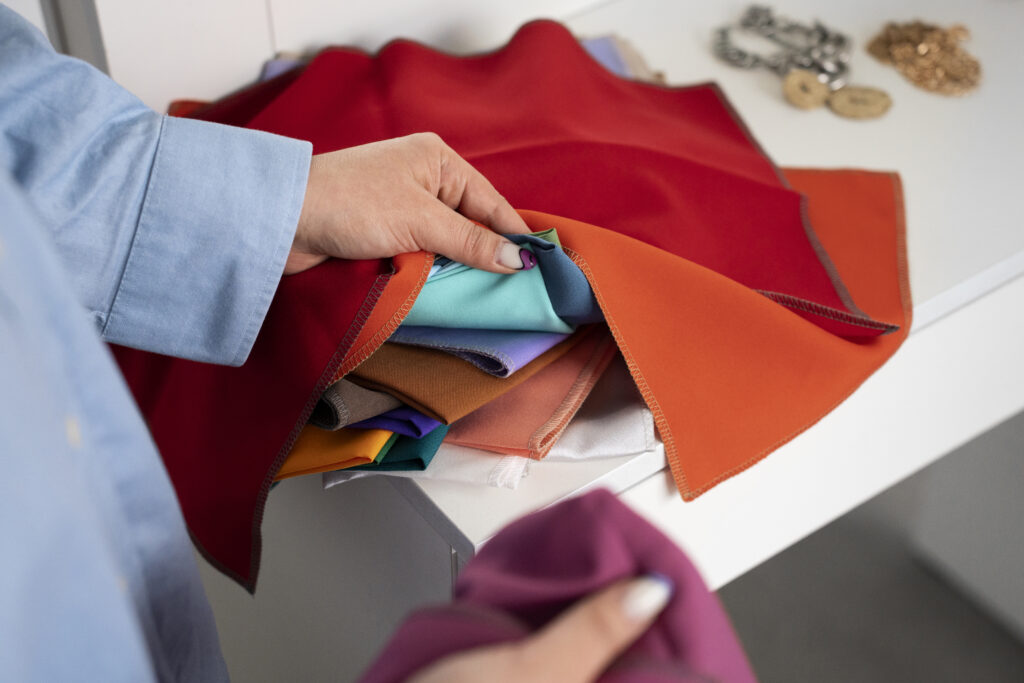
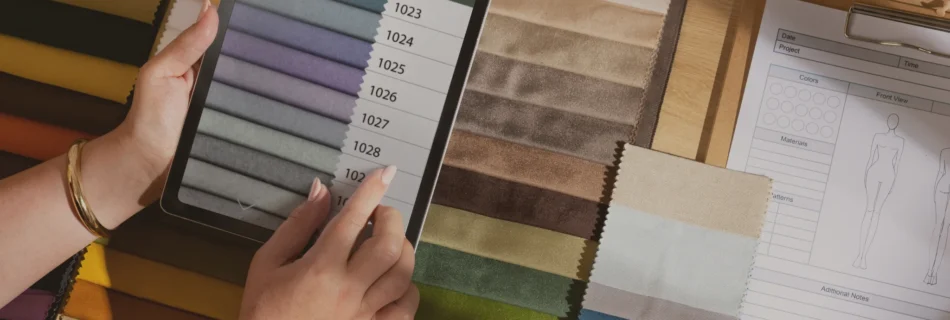
Fabric selection should not end with a specification sheet. A fabric swatch allows a brand to assess the actual colour, surface and hand feel. A garment sample provides another level of information because the fabric behaves differently once it is cut and constructed into the final product.
During sampling, brands can review:
- Fabric appearance
- Hand feel
- Stretch and recovery
- Garment fit
- Drape
- Colour
- Print appearance
- Overall suitability for the intended application
This is particularly important when several activewear fabric properties are required at the same time. A fabric that looks suitable on paper may produce a different result once used in a finished garment. Sampling provides an opportunity to identify adjustments before bulk production.
Activewear Fabric Selection Checklist
Before confirming an activewear fabric, review:
- Sample results
- Composition & GSM
- Stretch & recovery
- Hand feel & construction
- Breathability & moisture management
- Required performance features
- Printing & colour suitability
Most importantly, choose the fabric according to the product rather than trying to include every possible feature.
Final Thoughts
Choosing activewear fabric is a product-development decision, not simply a material-selection exercise. The most suitable fabric depends on the garment, intended use, desired hand feel, construction and required performance characteristics.
Understanding activewear fabric types, GSM, stretch, moisture management and other activewear fabric properties can help brands prepare a clearer product specification. For more specific requirements such as quick-dry, anti-odour, antibacterial or UV protection, it is useful to discuss the intended application and review the available fabric specifications before confirming production.
Tris Apparel works with brands on selected custom activewear products including training T-shirts, sports jerseys, performance tops, shorts, joggers and selected outerwear. By reviewing the product requirements, fabric characteristics and sample requirements together, brands can move towards a more suitable production specification.
Looking for custom activewear production in Malaysia? Contact us to discuss your activewear requirements, production scope and project details.