Fabric Guide for Clothing Brand
Introduction
Starting a clothing brand is exciting, but one of the most important decisions you’ll make is choosing the right fabrics. The materials you select affect not only the look and feel of your products, but also durability, pricing, and customer satisfaction.
This fabric guide for clothing brand owners is designed to help entrepreneurs, especially in Asian markets, make informed decisions. By following this guide, you can avoid common mistakes, understand fabric performance, and select materials that align with your brand’s vision.
In addition, this guide includes practical sourcing strategies, tips for testing fabrics, and advice on matching fabrics to product categories. By the end, you’ll be equipped to choose fabrics that support both your design and business goals.
Why Fabric Choice Matters
The right fabric can define your brand’s quality and style. Moreover, it influences production costs, garment performance, and customer perception. On the other hand, a poor choice can result in returns, negative reviews, or wasted investment.
Some key considerations include:
- Comfort: Will customers enjoy wearing it daily?
- Durability: Does it hold up after repeated washes?
- Brand perception: Does it align with your target market’s expectations?
Therefore, understanding fabrics is not just a technical matter; it’s a strategic business decision.
Understanding Fabric Categories
In this fabric guide for clothing brand, we cover three main categories of fabrics:
1. Natural Fabrics
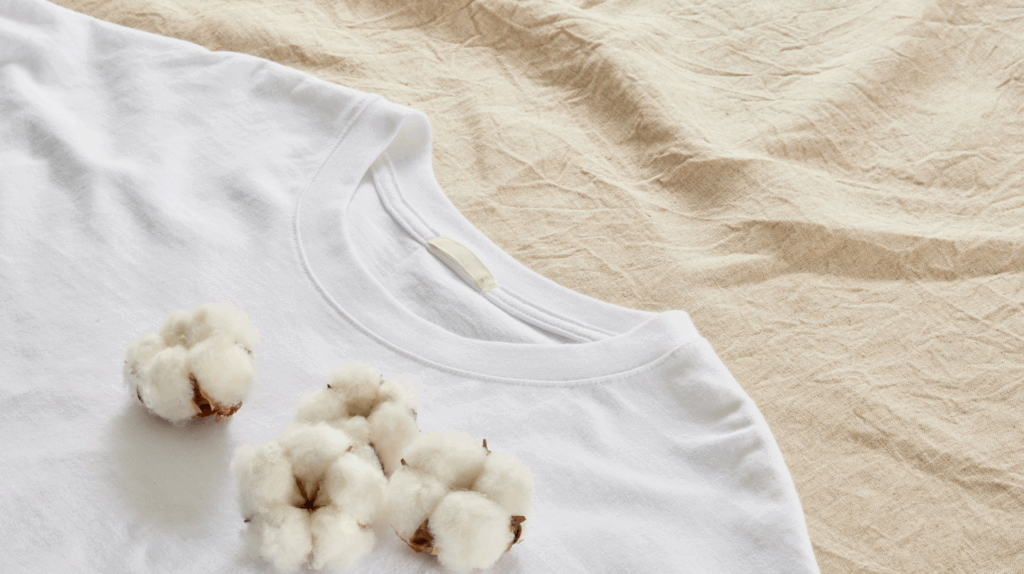
Natural fabrics come from plants or animals and are usually breathable and comfortable.
- Cotton: Soft, versatile, and breathable. Common in T-shirts, kidswear, and uniforms. Be mindful of shrinkage unless pre-shrunk.
- Linen: Lightweight and airy — ideal for tropical climates. However, it wrinkles easily, so blending with other fibers is often recommended.
- Silk: Smooth and luxurious, perfect for formalwear. Requires delicate handling.
For example, a lightweight cotton-linen shirt works well for Singapore’s humid climate, offering both comfort and style.
2. Synthetic Fabrics
Synthetic fabrics are man-made and offer durability, wrinkle resistance, and ease of maintenance.
- Polyester: Quick-drying, colorfast, and low-maintenance — ideal for activewear.
- Nylon: Strong, lightweight, and water-resistant, suitable for sportswear and outerwear.
- Spandex (Elastane): Highly stretchable, often blended with other fabrics for flexibility and comfort in sportswear and fitted garments.

3. Blended Fabrics
Blended fabrics combine natural and synthetic fibers, creating materials that balance comfort and durability.
- Cotton-Polyester: Soft, easy to wash, widely used in uniforms and casualwear.
- Polyester-Spandex: Stretchy, moisture-wicking — perfect for leggings and sports bras.
- Viscose-Linen: Retains linen’s texture but reduces wrinkling.
For more detailed fabric types, visit our fabrics page to explore the full range of materials we work with.
Matching Fabrics to Product Categories
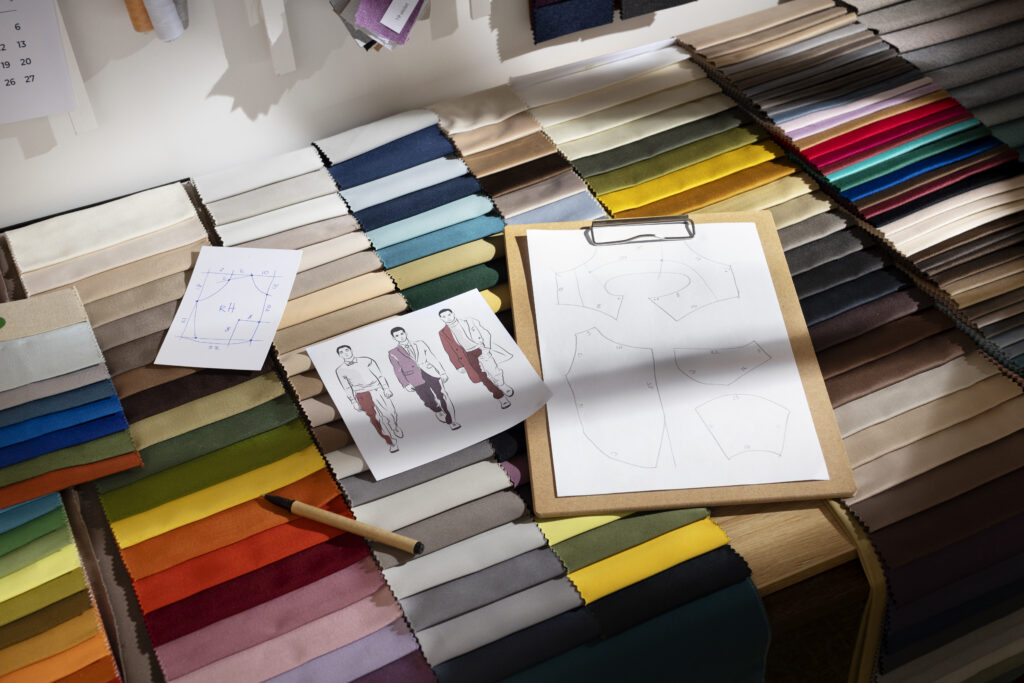
Choosing the right fabric depends on the type of clothing you produce. This fabric guide for clothing brand recommends:
| Product Type | Recommended Fabrics | Key Benefits |
|---|---|---|
| Activewear | Polyester, Nylon, Spandex blends | Moisture-wicking, stretch |
| Uniforms | Polyester-Cotton blends | Durability, easy care |
| Kidswear | 100% Cotton, Cotton blends | Soft, breathable, safe |
| Formal Wear | Wool, Silk, Blended suit fabrics | Structure, drape, premium feel |
| Casual Wear | Cotton, Linen, Rayon blends | Everyday comfort, versatile style |
For example, in Malaysia’s humid climate, lightweight polyester-spandex blends allow athletes to stay cool while maintaining flexibility.
Key Factors When Selecting Fabrics
1. Target Market & Climate
Always match fabric performance to your audience’s needs. In tropical regions, breathable fabrics like cotton or rayon are essential. Conversely, for cooler areas, wool or thicker blends may be preferred.
2. Functionality & Use Case
Consider how your customers will use your products. For activewear, stretch and moisture control are crucial. For kidswear, softness and hypoallergenic fibers matter more.
3. Budget & Minimum Order Quantity (MOQ)
High-quality fibers or specialty fabrics may be expensive and come with higher MOQs. Assess your budget carefully and consider supplier flexibility.
4. Fabric Testing
Always test fabrics for:
- Shrinkage after washing
- Pilling and colorfastness
- Stretch and drape
Testing ensures that what looks good in a sample will perform well in production.
5. Supplier Reliability
Reliable suppliers provide consistent quality, meet delivery schedules, and offer guidance on new materials. Building long-term relationships reduces production risks.
Learn more: OEM vs ODM Apparel Manufacturing
Fabric Sourcing Tips for New Clothing Brands
- Start Small: Order swatches before bulk production.
- Local vs. Overseas: Local suppliers offer faster turnaround; overseas suppliers may provide cost savings and variety.
- Build Relationships: Trusted suppliers can guide you on trends and alternative fabrics.
- Stay Updated: Follow platforms like WGSN and Textile World for trend insights.
For example, if you are sourcing activewear for the Southeast Asian market, asking local suppliers about humidity-resistant fabrics can save production headaches.
Common Mistakes New Brands Make
Even experienced brands can make fabric-related mistakes. Avoid:
- Choosing trendy fabrics without testing performance
- Ignoring care requirements — some fabrics need special washing
- Over-ordering before sampling
- Neglecting supplier reliability and lead times
By following this fabric guide for clothing brand owners, you can anticipate these challenges and plan accordingly.
Conclusion
Selecting the right fabric is a cornerstone of any successful clothing brand. This fabric guide for clothing brand owners has provided realistic guidance on fabric types, matching fabrics to product categories, sourcing tips, and common pitfalls.
With proper fabric selection, your brand can create garments that customers love, improving satisfaction and loyalty.
Need help sourcing fabrics for your clothing brand? At Tris Apparel, we assist brands across Asia with fabric selection, sampling, and manufacturing — ensuring your designs come to life efficiently and reliably.
📩 Contact Us Today to get started.