The Next Wave of Athleisure
Functional apparel trends shaping the future
From Athleisure Trend to Everyday Essential
Over the past decade, athleisure has redefined global wardrobes. What began as a niche category blending athletic wear with casual fashion exploded into a mainstream movement. Fueled by remote work, wellness lifestyles, and the casualization of dress codes, athleisure sales grew rapidly between 2020 and 2023.
By 2026, however, athleisure will no longer be discussed as a “trend.” Instead, it will be recognized as a permanent lifestyle category — a core part of how people dress across work, travel, and social settings. Consumers are no longer asking whether they can wear leggings to brunch or sneakers to the office; they are asking which brand delivers the best hybrid apparel that combines performance, versatility, and style.
For apparel brands and buyers, this shift creates both challenges and opportunities. The next wave of athleisure is not about replicating the styles of 2021. It is about anticipating where functional apparel and hybrid clothing are heading, and how to meet consumer expectations in 2026 and beyond.
- From Athleisure Trend to Everyday Essential
- Market Drivers Behind Functional & Hybrid Apparel
- Global Forecast for the Athleisure Market by 2026
- Shifts in Consumer Behavior and Lifestyle Choices
- Challenges and Risks for Brands in the Athleisure Space
- Opportunities for Apparel Manufacturers and Brands
- Conclusion: Athleisure’s Permanent Place in 2026 Wardrobes
Market Drivers Behind Functional & Hybrid Apparel
Health and Wellness as a Lifestyle Priority
The health and wellness economy continues to expand worldwide. Consumers are spending more on fitness, active lifestyles, and mental well-being — and this translates directly into apparel choices.
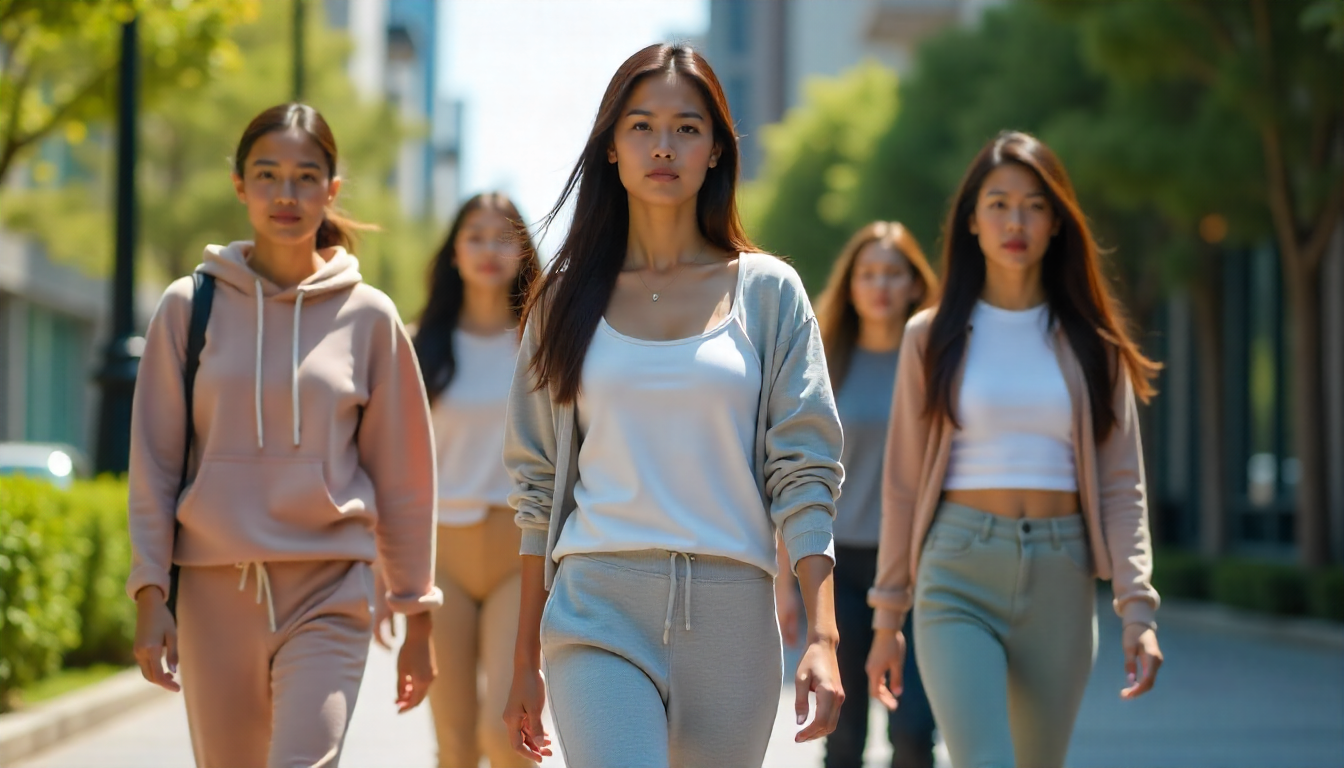
No longer is performance clothing limited to gyms or yoga studios. By 2026, consumers expect garments that support movement and comfort throughout the day. For example:
- A professional may wear wrinkle-resistant trousers with stretch fabrics that transition from a client meeting to an evening run.
- A traveler may seek hybrid jackets that are lightweight, breathable, and packable, while still suitable for business-casual occasions.
This blending of wellness with daily dressing means functional apparel becomes the new baseline. Apparel that fails to provide comfort and versatility risks losing relevance.
Gen Z and the Demand for Responsible Production
By 2026, Gen Z will be the dominant consumer group, shaping global demand across apparel categories. Their expectations extend beyond style and price. They value transparency, responsibility, and social impact in the supply chain.
While Millennials accelerated the athleisure boom, Gen Z is pushing it into the next phase. For this generation, hybrid apparel must not only look good and perform well — it must also align with ethical and sustainable values.
This doesn’t mean every garment requires advanced eco-certifications. Instead, it signals that brands must demonstrate that their collections are designed with intention and manufactured responsibly. Apparel businesses that ignore this shift may find it harder to win consumer trust in the long run.
The Role of Technology and Performance Fabrics
Fabric innovation is a critical driver of athleisure’s growth. In the 2020s, moisture-wicking, quick-dry, and odor-resistant fabrics became industry standards. Looking forward, performance fabrics will move beyond basic functionality.
By 2026, several innovations are likely to influence hybrid apparel:
- Adaptive textiles that respond to body temperature or humidity.
- UV-protective fabrics for outdoor and travel use.
- Anti-crease materials that eliminate the need for ironing, appealing to busy professionals.
- Smart fabric collaborations where apparel integrates with wearable devices.
For brands, investing in fabric sourcing and R&D will become a differentiator. For manufacturers, the ability to source versatile textiles and advise clients on suitability for different markets will be a competitive edge.
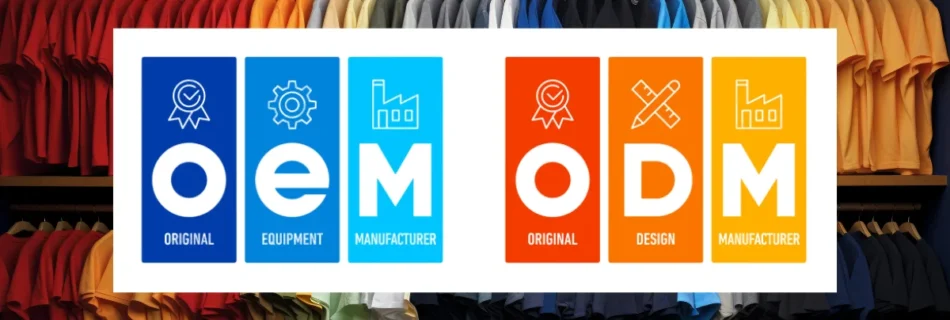
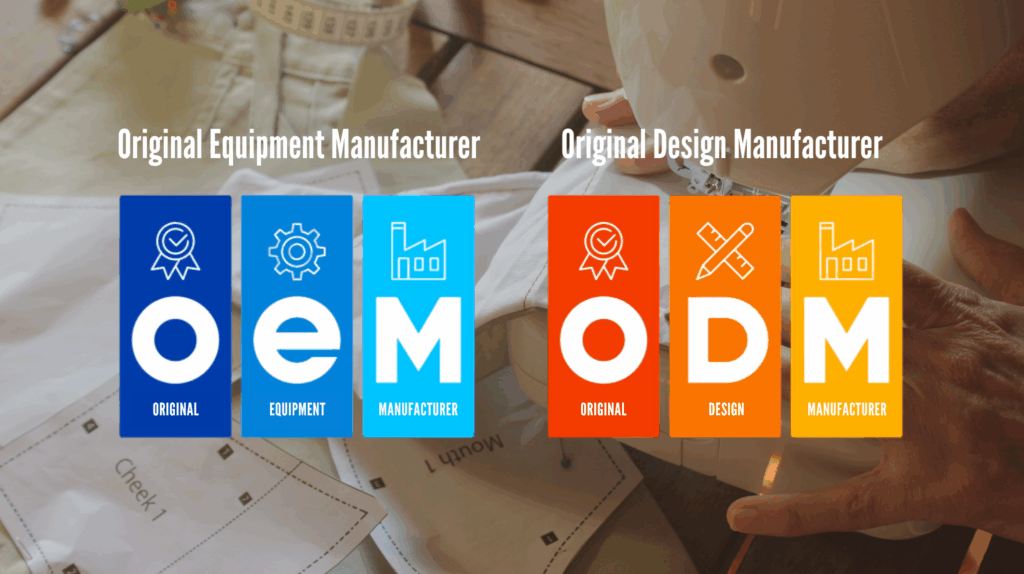
(Related reading: OEM vs ODM: Choosing the Right Manufacturing Model)
Global Forecast for the Athleisure Market by 2026
The global athleisure market, valued at more than $358.07 billion in 2023, is projected to maintain steady CAGR through 2026. While North America continues to be a mature market, Asia-Pacific is expected to drive the largest share of growth.
Several factors fuel this regional expansion:
- Urbanization and middle-class growth in Southeast Asia.
- Climate conditions that favor lightweight, breathable fabrics.
- Cultural shifts toward casual workwear, especially in post-pandemic corporate environments.
McKinsey’s The State of Fashion 2025 highlights the growing demand for hybrid and multifunctional apparel as consumers seek clothing that can bridge work, leisure, and travel contexts. Extending that thinking into 2026, athleisure is evolving from a seasonal category into a foundational wardrobe segment, influencing how brands design, source, and market their collections.
For apparel buyers and brand managers, the key insight is clear: functional apparel must anchor future collections, requiring sourcing strategies that emphasize versatility, adaptability, and alignment with evolving consumer lifestyles.
Shifts in Consumer Behavior and Lifestyle Choices
The consumer mindset in 2026 will look very different from that of 2020.
- Practicality Over Trendiness: Shoppers are increasingly prioritizing utility. Hybrid clothing that can serve multiple purposes is valued more than single-use items.
- Value-Conscious Decisions: Inflation and economic uncertainties have taught consumers to invest in versatile pieces that offer long-term wear.
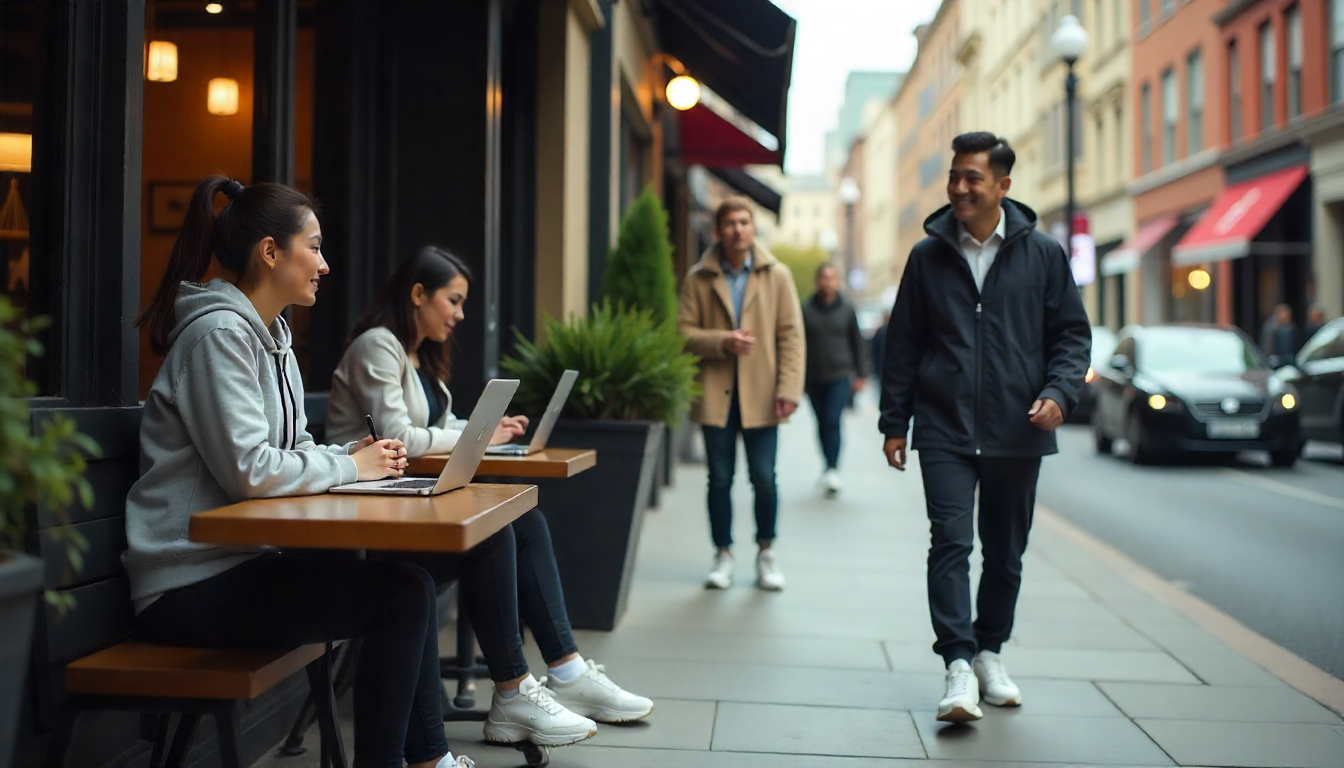
- Acceptance of Active Silhouettes: What was once considered “too casual” — sneakers at work, joggers at dinner — has now become socially acceptable, even in professional settings.
- Responsible Preferences: Gen Z and Gen Alpha expect brands to reduce waste and demonstrate a long-term vision for their apparel lines.
These behavioral changes point toward functional apparel becoming a core wardrobe category, not a seasonal experiment.
Challenges and Risks for Brands in the Athleisure Space
The growth of functional apparel does not come without challenges. By 2026, brands face several risks:
- Over-Saturation
Many fashion and sportswear labels have expanded into athleisure. Without differentiation, brands risk blending into a crowded marketplace. - Rising Fabric Costs
Performance fabrics and technical innovation add cost pressures. Brands must balance affordability with innovation to maintain consumer loyalty. - Consumer Fatigue
Stretch fabrics and yoga-inspired silhouettes are no longer unique. Brands must introduce new silhouettes, functionalities, and stories to keep consumers engaged. - Ethical Expectations
While consumers don’t always demand proof of compliance, they do expect brands to operate responsibly. Poor labor practices or greenwashing can harm reputation quickly in the age of social media.
Opportunities for Apparel Manufacturers and Brands
For apparel buyers, 2026 offers a chance to innovate and capture consumer loyalty.
- Versatility First: Prioritize designs that function across multiple contexts — from morning gym sessions to evening social gatherings.
- Performance Fabric Integration: Explore new textiles that provide comfort, durability, and technical benefits.
- Collaboration with Manufacturers: Partner with manufacturers who can support customization, OEM solutions, and fabric consultation.
- Regional Adaptation: Cater to climate-specific needs. For example, Southeast Asian markets value lightweight fabrics, while European buyers may demand more layering options.
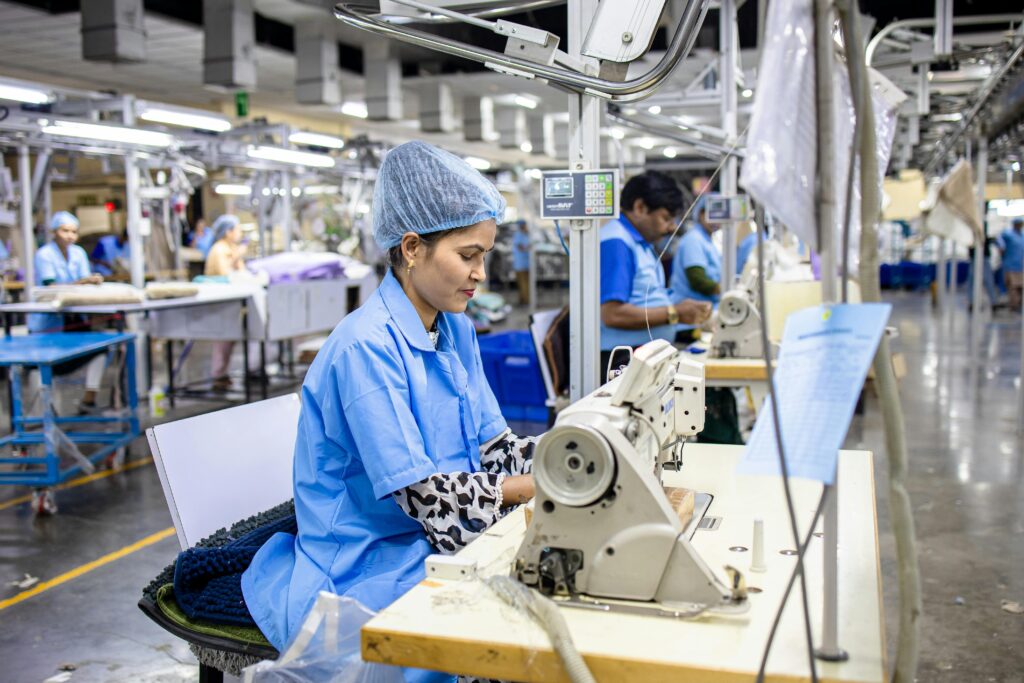
For manufacturers such as Tris Apparel, this means guiding buyers through fabric selection, ensuring consistent production standards, and helping brands create collections that are both functional and commercially viable.
👉 Related Reading: Fabric Guide for Clothing Brand
Conclusion: Athleisure’s Permanent Place in 2026 Wardrobes
By 2026, athleisure will no longer be discussed as a passing trend. It will be recognized as a foundational category — one that blends performance fabrics, hybrid clothing, and consumer values into everyday wardrobes.
For apparel brands, the opportunity lies in moving beyond comfort and embracing function, innovation, and responsibility. Those who adapt to this permanent lifestyle shift will not only capture sales but also secure long-term relevance.
👉 If your brand is planning its next collection in activewear, uniforms, or hybrid apparel, contact Tris Apparel to discuss how we can support your sourcing, design, and manufacturing needs. Together, we can shape apparel that meets the demands of 2026 and beyond.