Introduction
An OEM apparel manufacturer (Original Equipment Manufacturer) produces garments based on a brand’s designs, technical specifications, and requirements. The brand controls the product concept, sizing, fabrics, trims, and branding, while the manufacturer focuses on execution and production management.
In simple terms, the brand decides what to make, while the manufacturing partner is responsible for how it is made — accurately, consistently, and at scale.
This model is widely used by established fashion brands, activewear labels, uniform programs, and growing B2B buyers who want control without owning a factory. Compared to working with a general clothing manufacturer, this OEM production model offers clearer accountability, stronger brand ownership, and better long-term consistency for brands.
For a deeper comparison of OEM and ODM models, you can refer to our detailed guide on OEM vs ODM apparel manufacturing in Malaysia.
- Introduction
- Why OEM Apparel Manufacturing Is the Preferred Model for Brands
- What Services Does an OEM Apparel Manufacturer Provide?
- OEM Apparel Manufacturing Process: Step by Step
- When Should You Choose an OEM Apparel Manufacturing Partner?
- Advantages and Limitations of OEM Apparel Manufacturing
- How to Evaluate an OEM Apparel Manufacturer
- Common Mistakes Brands Make in OEM Apparel Manufacturing
- Insights from Apparel Manufacturers Working Under the OEM Model
- OEM Apparel Manufacturing Trends to Watch
- Frequently Asked Questions About OEM Apparel Manufacturers
- Conclusion
Why OEM Apparel Manufacturing Is the Preferred Model for Brands
OEM production has become the dominant sourcing model for brands that want stability and long-term growth. Instead of relying on ready-made designs, brands using OEM retain full control over their product direction.
Brands typically choose this OEM production approach because:
- Brand identity and fit consistency matter
- Custom fabrics, trims, and construction are required
- Production needs to scale gradually
- Intellectual property must remain with the brand
For B2B apparel buyers, this approach supports repeatability across seasons, collections, and programs.
What Services Does an OEM Apparel Manufacturer Provide?
A professional apparel manufacturing partner offers more than basic cut-and-sew services. Core OEM apparel manufacturing services usually include:
- Sample development based on tech packs or reference samples
- Pattern making and size grading
- Fabric and trim sourcing support according to buyer specifications
- Bulk apparel production
- Inline and final quality control checks
- Packing and export coordination
For brands without an in-house production team, these services reduce operational pressure while keeping strategic decisions in the brand’s hands.
OEM Apparel Manufacturing Process: Step by Step
Understanding the OEM production workflow helps brands plan timelines realistically.
1. Design & Technical Preparation
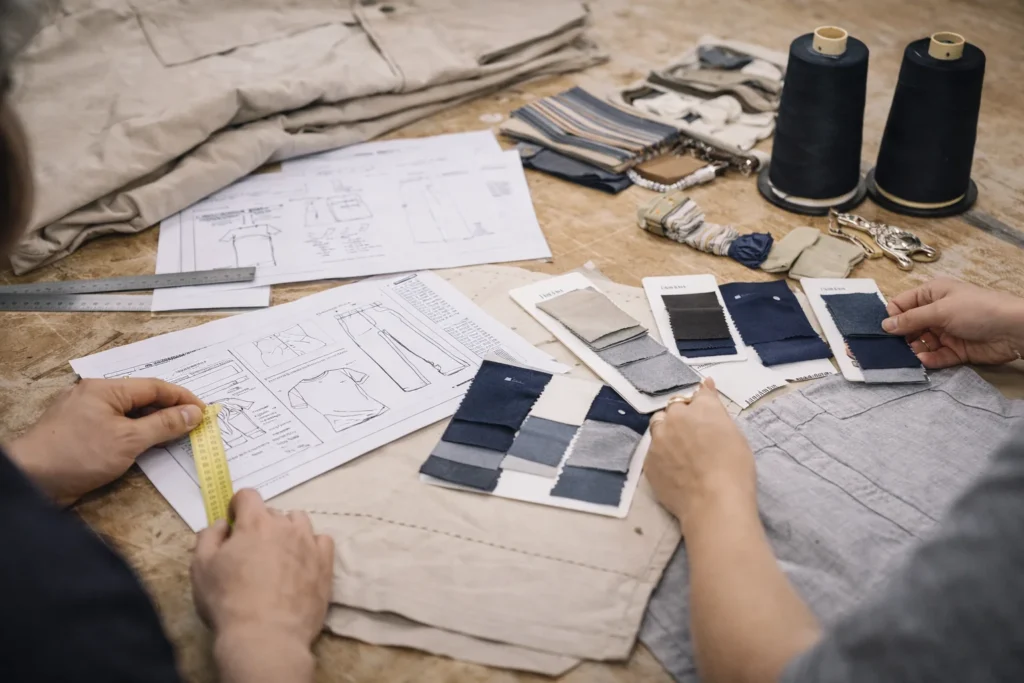
Brands submit tech packs, size charts, bill of materials, and construction details.
2. Sample Development
The manufacturing team develops samples for fitting, wear testing, and approval.
3. Costing & Order Confirmation
Final pricing is confirmed after sample approval and material selection.
4. Bulk Production
Once approved, production is scheduled based on order quantity and lead time.
5. Quality Control
Quality checks are conducted during production and before shipment to ensure consistency.
6. Packing & Shipment
Garments are packed according to buyer instructions and prepared for export.
Clear documentation and communication at each stage help avoid delays.
When Should You Choose an OEM Apparel Manufacturing Partner?
Choosing the right apparel manufacturing partner is a strategic decision for any growing brand.
Working with an OEM-focused manufacturing partner makes sense when:
- You already have defined designs or product direction
- Your brand requires consistent sizing and construction
- You plan repeat orders rather than one-off runs
- You want a long-term manufacturing partner
This OEM model is especially suitable for brands focused on activewear, uniforms, kidswear, and fashion basics that require consistency across production cycles.
Advantages and Limitations of OEM Apparel Manufacturing
Advantages
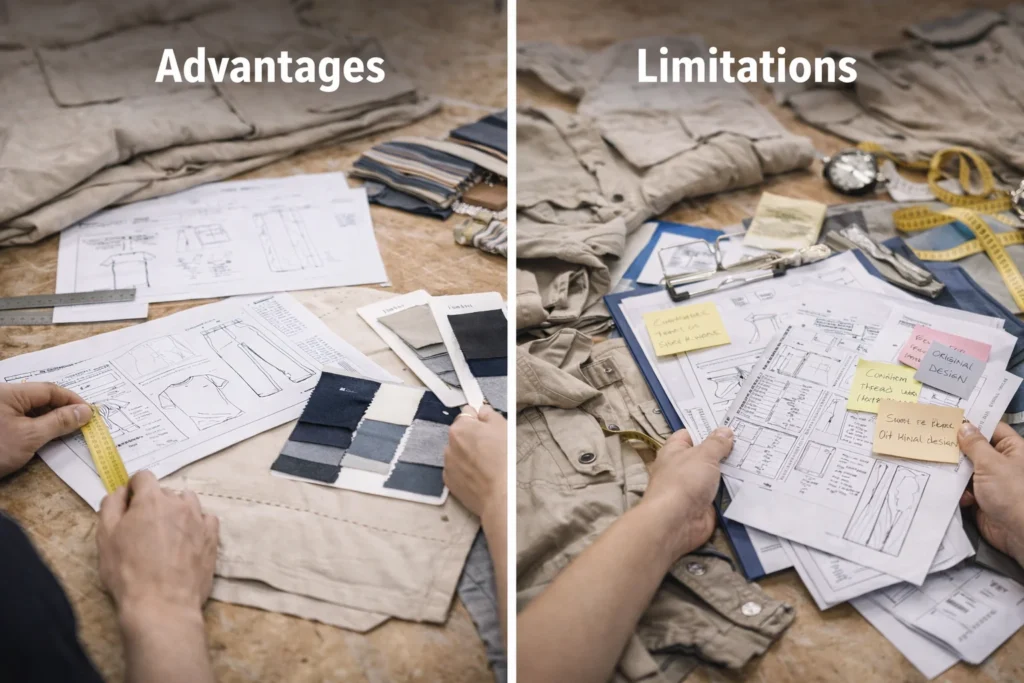
- Control over product design and branding – the brand decides all designs, fabrics, trims, and branding elements
- Clear ownership of intellectual property – all designs and technical specifications remain with the brand
- Scalable production planning – the OEM can produce small or large orders consistently
- Stronger long-term supplier relationships – partnering with a reliable OEM ensures stability and repeatable quality
Limitations
- More involvement required during development – brands must actively manage tech packs, samples, and approvals
- Longer lead times compared to ready-made options – custom production takes planning and coordination
- Clear documentation is essential – precise tech packs and instructions are critical to avoid errors
Understanding both sides helps brands make informed decisions and set realistic expectations for OEM apparel manufacturing.
How to Evaluate an OEM Apparel Manufacturer
Before selecting a manufacturing partner, brands should evaluate:
- Category experience – expertise in your product type, such as activewear, uniforms, or kidswear
- Sample accuracy and consistency – ability to produce prototypes that match your specifications
- Communication clarity and responsiveness – smooth coordination and timely updates
- Production capacity and lead times – ability to handle your order volumes within deadlines
- Export and logistics experience – familiarity with shipping requirements and international regulations
Careful assessment of these factors helps brands choose a reliable OEM partner and reduces production risks.
Common Mistakes Brands Make in OEM Apparel Manufacturing
Even experienced brands face challenges. Common issues include:
- Incomplete or unclear tech packs
- Rushing sample approval stages
- Underestimating production timelines
- Choosing cost over reliability
Avoiding these mistakes improves production outcomes and partnership stability.
Insights from Apparel Manufacturers Working Under the OEM Model
Across the apparel industry, OEM-focused manufacturers observe that successful partnerships share several traits:
- Clear expectations from the beginning
- Consistent communication channels
- Long-term planning rather than short-term pricing focus
This OEM-based production model works best when brands and manufacturers view each other as partners, not transactional vendors.
OEM Apparel Manufacturing Trends to Watch
OEM-based apparel production continues to evolve. Key trends include:
- Growing demand for small-batch and flexible production – brands want to test new designs and respond quickly to market changes
- Increased focus on activewear and functional apparel – consumers continue to seek performance-driven clothing, driving OEM demand in this category
- More brands sourcing from Southeast Asia for diversification – companies are exploring reliable manufacturing hubs in Malaysia, Vietnam, and other regional partners to reduce supply chain risks
Staying aware of these trends helps brands plan production strategies, choose the right OEM partner, and remain competitive in evolving markets.
Frequently Asked Questions About OEM Apparel Manufacturers
What is the typical MOQ for an OEM apparel manufacturer?
MOQ varies by product type, fabric, and complexity. Some OEM apparel manufacturers support smaller runs for growing brands.
How long does OEM apparel manufacturing take?
Sampling may take several weeks, while bulk production timelines depend on order size and materials.
Can OEM apparel manufacturers handle custom fabrics and trims?
Yes, as long as specifications are clear and feasible.
Conclusion
For brands searching for a reliable apparel manufacturing partner, clarity, consistency, and long-term thinking matter more than short-term cost advantages.
Choosing the right OEM partner allows brands to maintain control over design, quality, and brand identity while scaling production responsibly. For B2B buyers focused on long-term growth, OEM apparel manufacturing remains a practical and proven model.
If you are evaluating OEM apparel manufacturing or looking for a reliable apparel manufacturing partner, understanding your production needs is the first step.
Feel free to contact us for any technical or business-related information.
Related posts:
 The True Purpose of Apparel Sampling: Why Every Brand Should Take It Seriously
 Apparel Sampling Costs Explained: What Brands Often Overlook
 Garment Sampling to Production: How Brands Reduce Risk Before Bulk Orders
 The Timeless Appeal of Polo Shirts: Manufacturing Insights for Brands and Corporate Uniform