Gen Z and Gen Alpha
Are Rewiring the Fashion Industry
Introduction
The fashion industry is experiencing one of its most profound shifts in decades. The drivers? Gen Z and Gen Alpha fashion behavior.
- Gen Z: under 28 years old, digitally native, globally connected, value authenticity and social identity.
- Gen Alpha: born 2010 onwards, growing up fully immersed in short-form video, AR experiences, and mobile commerce.
Unlike previous generations, these younger consumers do not follow traditional trend cycles or seasonal fashion calendars. They expect instant availability, highly relevant styles, and experiences that reflect their personal identity and values, including sustainability and ethics.
For brands, understanding how these generations behave, discover trends, and make purchases is no longer optional—it’s essential for relevance, competitiveness, and growth in a highly dynamic market.
The Fall of Seasonal Fashion Calendars
Fashion brands have long relied on structured seasonal calendars: spring/summer, fall/winter, often planned 6–12 months in advance. For Gen Z and Gen Alpha, this model is increasingly irrelevant.
Rapid Trend Cycles
- Trends now emerge and fade in weeks, sometimes days, rather than months.
- TikTok, Instagram Reels, and YouTube Shorts can propel micro-styles or color combinations into viral sensations overnight.
- Example: A particular streetwear hoodie or sneaker colorway can gain millions of views within 24 hours, driving immediate sales spikes.
Implications for Brands
Brands must rethink planning, production, and marketing strategies:
- Shortened lead times: Traditional 6–12 month collection planning may cause brands to miss real-time trends.
- Data-driven trend detection: Brands now rely on analytics, social listening, and influencer signals to anticipate trends while staying mindful of ethical and sustainability considerations.
- Flexible production: Rapid sampling and small-batch production help brands test designs, gather feedback, and reduce risk before committing to bulk orders.
For more on managing risk in early production stages, see: Garment Sampling to Production.
Insight: BCG’s 2025 report highlights that Gen Z and Gen Alpha are reshaping the fashion industry, favoring brands that combine speed, authenticity, and community engagement to remain relevant.

Micro-Drop Culture — Small Drops Beat Big Collections
Another defining trait of Gen Z and Gen Alpha fashion behavior is micro-drop culture. Instead of launching massive seasonal collections, brands release smaller, highly curated batches that create scarcity, excitement, and community engagement.
How Micro-Drops Work
- Sample → Shoot → Post → Sell: A prototype is produced, visually promoted online, and sold immediately.
- Limited Editions: Small runs create exclusivity, scarcity, and FOMO (fear of missing out).
- Real-Time Feedback: Sales data and social engagement guide future production decisions.
Why It Matters:
- Reduces inventory risk and overstock
- Encourages repeat engagement as followers anticipate the next drop
- Amplifies social media visibility, as limited availability fuels sharing

Understanding cost structures helps brands plan small drops efficiently: Apparel Sampling Cost Breakdown.
Brand Examples
- Supreme: The king of weekly drops, building loyal aesthetic tribes.
- Fashion Startups in Asia: Many now adopt micro-drop strategies, using TikTok and Instagram to test new designs with minimal upfront investment.
B2B Insight: Brands targeting Gen Z must rethink production timelines. Traditional bulk manufacturing risks missing viral windows. Flexible, smaller batches are not just marketing tools—they are operational imperatives. Small-batch and thoughtful production also aligns with sustainability values.
Aesthetic Tribe Behavior — Fashion as Identity
For these younger consumers, fashion is more than clothing—it is identity signaling and community building. This behavior fundamentally changes the way brands should design, market, and distribute products.
What It Means
- Clothing, accessories, and style choices are social signals reflecting personal values, affiliations, and subcultural identity.
- Young consumers are drawn to brands that embody a shared aesthetic or ideology.
- Online communities and micro-tribes amplify the visibility of trends, making peer validation essential.
Brand Implications
- Targeted Product Design: Products should resonate with specific aesthetic tribes rather than broad demographics.
- Collaboration Strategies: Partnering with micro-influencers or content creators allows brands to access hyper-niche communities.
- Storytelling & Engagement: Authentic brand storytelling matters, as Gen Z and Gen Alpha value authenticity over mass appeal.
Example: A Gen Alpha gaming-inspired capsule collection, marketed through a streamer with a loyal fanbase, can outperform a traditional campaign aimed at mass audiences.
Insight for B2B Brands: Understanding aesthetic tribe behavior allows suppliers, designers, and brand managers to predict adoption, optimize production, and reduce marketing waste while respecting sustainability and ethical practices.
Visual Discovery Replaces Traditional Brand Awareness
Search engines and e-commerce marketplaces no longer dominate product discovery for younger generations. Visual feeds on TikTok, Instagram, and Pinterest are now primary channels.
Key Behavioral Changes
- Users scroll and discover products organically through content, not structured searches.
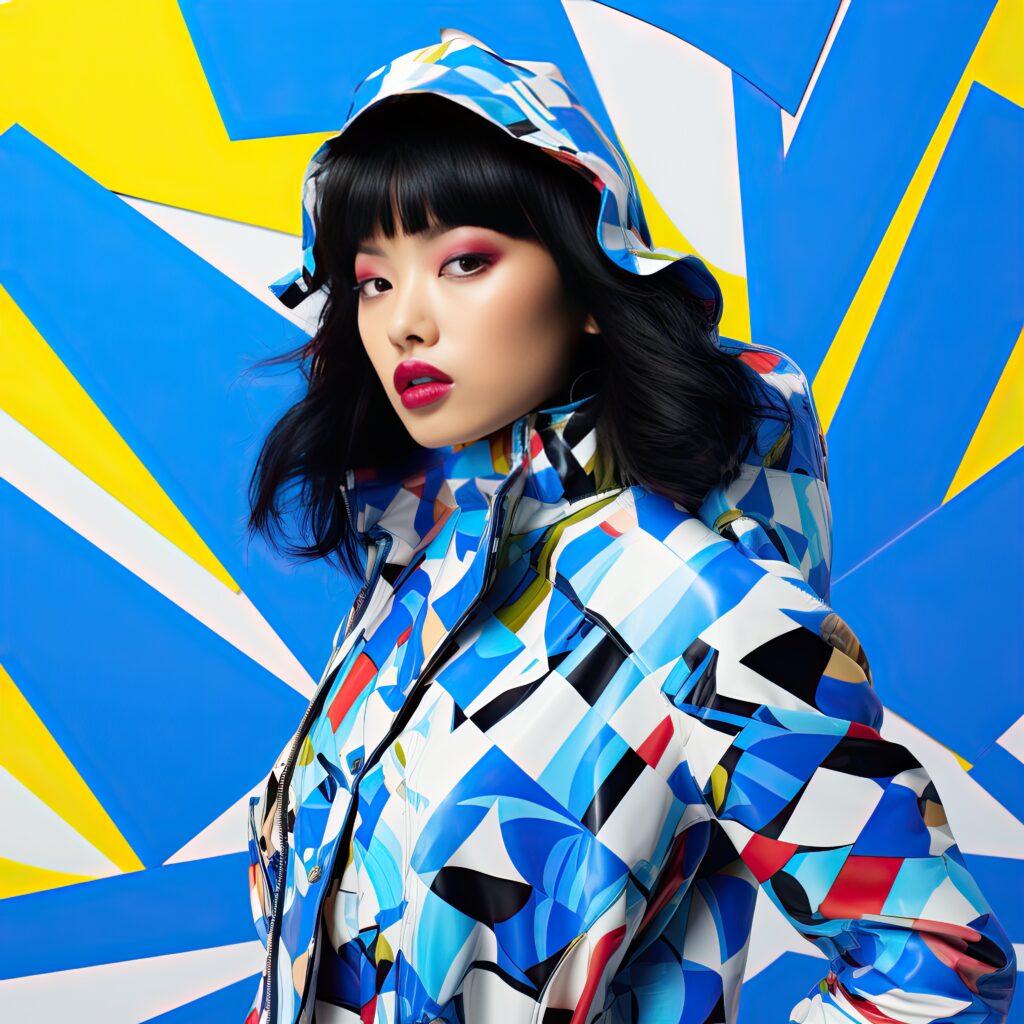
- Visual appeal is critical: clothing must “pop” on vertical feeds, often with short-form video or interactive AR elements.
- Engagement metrics—likes, shares, comments—signal trend potential before sales data arrives.
Implications for Brands
- Invest in Visual Commerce: High-quality, scroll-stopping photography and video are mandatory.
- Feed-First Content: Focus on shareable, authentic, and visually coherent content rather than traditional ad campaigns.
- Data-Driven Insights: Monitor which visual styles, color palettes, and silhouettes resonate with target audiences in real-time.
B2B Insight: Apparel manufacturers and brand partners should optimize photography, video, and design prototypes to be feed-ready, enabling clients to engage younger consumers effectively.

Key Takeaways for Brands
- Real-Time Identity Signalling: Young consumers buy based on current self-expression, not seasonal trends.
- Agility Over Size: Micro-drops and small batch production are essential to capture trend momentum.
- Community and Tribe Matter: Fashion is a social connector; success depends on appealing to aesthetic tribes.
- Visual Optimization Is Critical: Feed-first discovery now outweighs traditional brand awareness campaigns.
- Data and Analytics Are Your Allies: Social listening, micro-trend tracking, and real-time engagement data guide production and marketing decisions.
Strategic Insight: Brands and manufacturers that embrace rapid, data-driven, visually optimized, and community-oriented approaches — while balancing sustainability and ethical considerations — will lead in the Gen Z and Gen Alpha markets.
Conclusion
The rules of fashion engagement have fundamentally shifted. Gen Z and Gen Alpha fashion behavior demands speed, agility, authenticity and responsibility in production and sourcing.
Brands that understand micro-drop culture, aesthetic tribe communities, and visual-first discovery channels are better positioned to:
- Build stronger community loyalty
- Respond to trends in real-time
- Reduce operational and marketing waste
- Capture market share in a hyper-dynamic, trend-driven ecosystem
For apparel brands looking to navigate these generational shifts, Tris Apparel offers expert insights and guidance to help your brand stay relevant and make informed strategic decisions: Contact Us.
By understanding how younger generations influence trends and consumption, brands can move from reactive to proactive leadership in the fast-evolving fashion landscape, turning insights into tangible growth.