Quality Assurance vs Quality Control in Apparel Production
Introduction
In today’s competitive fashion and manufacturing world, mistakes are costly. A late discovery of poor stitching, incorrect sizing, or fabric inconsistency can lead to shipment delays, expensive rework, and dissatisfied customers. To avoid these risks, apparel businesses must understand Quality Assurance vs Quality Control in Apparel.
Though often used interchangeably, QA and QC are not the same. QA focuses on preventing problems before they happen, while QC identifies and corrects defects after they occur. Both are essential pillars of garment production. When applied together, they create reliability, reduce disputes, and build stronger, long-term partnerships across the supply chain.
What is Quality Assurance in Apparel?
Quality Assurance (QA) is process-focused. It sets up the systems and procedures that help prevent errors during production. Think of it as the “behind-the-scenes guardrail” that keeps production consistent.
Common QA Practices in Apparel
- Fabric Testing Before Cutting – Checking shrinkage, color consistency, and durability before bulk use.
- Pre-Production Meetings – Ensuring that buyer requirements are clearly understood by pattern makers, cutters, and sewing operators.
- Process Audits – Monitoring cutting, stitching, and finishing processes to ensure consistency.
- Training Operators – Equipping workers with knowledge to handle new materials and designs.
📌 Example: If fabric shrinkage tests are done early, pattern measurements can be adjusted before bulk production. This step prevents future fit complaints, saving both time and costs.

What is Quality Control in Apparel?
Quality Control (QC) is product-focused. It detects issues during or after production, ensuring defective garments don’t reach the customer.
Common QC Practices in Apparel
- Inline Inspections – Spot checks during sewing to catch errors early.
- Final Inspections – Checking finished garments for seam strength, size accuracy, stains, and labeling.
- Defect Sorting – Identifying garments that need rework or removal from shipment.
📌 Example: During final QC, inspectors may find inconsistent stitching or loose buttons. These defects can be corrected before goods are packed for shipment.

Quality Assurance vs Quality Control in Apparel: The Key Differences
| Aspect | Quality Assurance (QA) | Quality Control (QC) |
|---|---|---|
| Purpose | Prevention | Detection |
| Stage of Production | Before and during production | During and after production |
| Focus | Process and system reliability | Product inspection |
| Outcome | Fewer mistakes, consistent flow | Sorting acceptable vs. defective items |
Case Comparison
- Factory A (Weak QA, strong QC): The QC team catches many defects, but because QA was not emphasized, large amounts of rework are needed. Delivery is delayed, and costs increase.
- Factory B (Strong QA + QC): QA systems reduce defects early. QC checks confirm product reliability. Result: on-time shipments, fewer disputes, and stronger buyer–supplier trust.
📊 Companies that strengthen both QA and QC often experience fewer defects, reduced rework costs, and improved on-time delivery across their supply chain.
How QA and QC Work Across Apparel Production
To see how they complement each other, let’s walk through the stages of garment manufacturing:
- Fabric & Trim Sourcing
- QA: Fabric lab testing for shrinkage, colorfastness, GSM consistency.
- QC: Spot checks of rolls to identify shade variations or defects.
- Cutting Stage
- QA: Marker efficiency planning and machine calibration.
- QC: Checking cut panels for alignment and size accuracy.
- Sewing Stage
- QA: Operator training and process audits for consistent seams.
- QC: Inline inspections to detect skipped stitches or uneven hems.
- Finishing Stage
- QA: Guidelines for washing, pressing, and packaging.
- QC: Inspecting garments for stains, pressing marks, or loose threads.
- Packing & Shipment
- QA: Standardized packing procedures to meet buyer requirements.
- QC: Final random checks for labeling accuracy and carton quality.
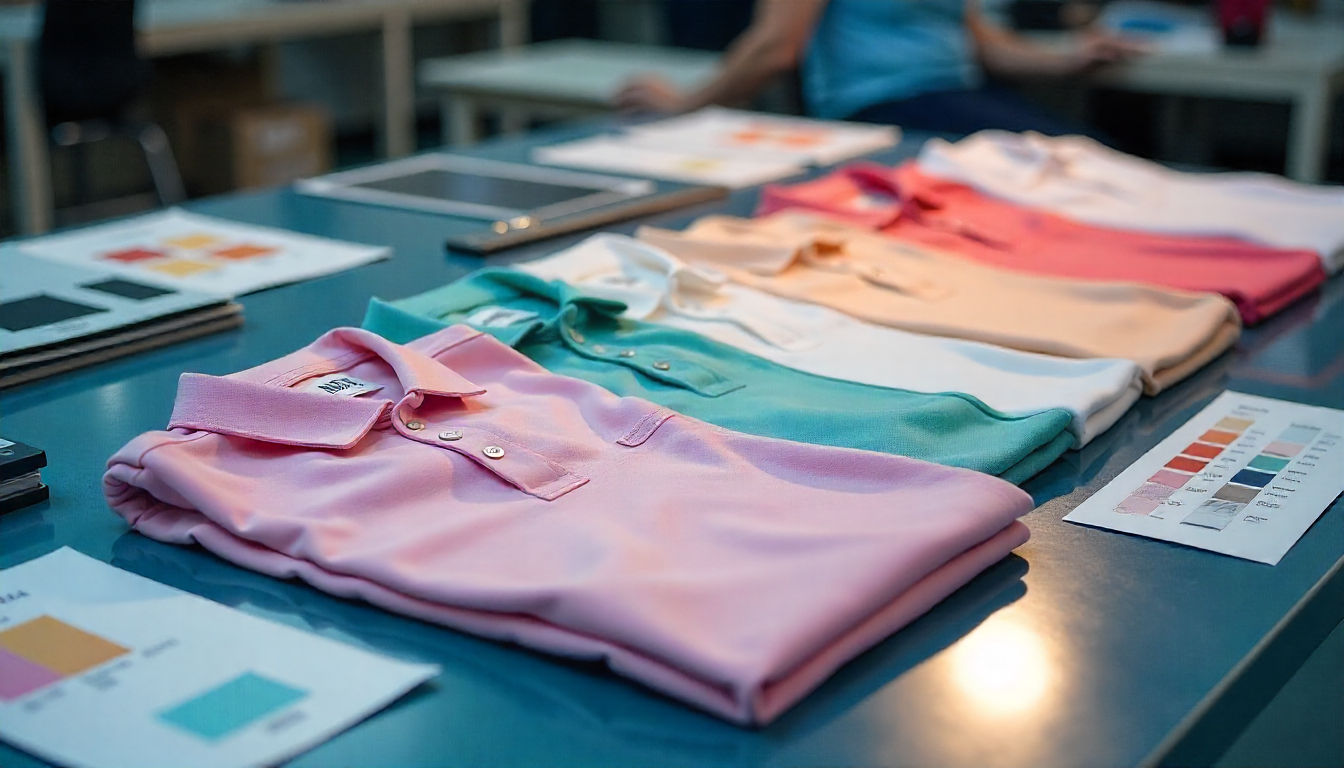
Each stage reinforces the other—QA builds prevention, QC ensures verification.
Why QA and QC Matter for Apparel Brands
For apparel brands, especially sourcing managers and brand owners, quality systems are not just about product consistency. They directly impact:
- Cost Efficiency: Preventing errors early avoids rework and extra logistics costs.
- Brand Image: Consumers trust brands that deliver consistent sizing and durability.
- Customer Loyalty: Fewer returns and complaints build long-term trust.
- Partnership Stability: Reliable suppliers mean fewer disputes and smoother collaboration.
Example: Uniforms vs Fashion Apparel
- A uniform buyer prioritizes durability and consistency across thousands of units. QA ensures fabrics withstand repeated washing, while QC checks size uniformity.
- A fashion brand emphasizes style and detail. QA ensures patterns reflect the intended fit, while QC verifies embroidery, stitching, or trims.
Both depend on a balanced QA + QC approach but focus on different outcomes.
Best Practices for Brands and Manufacturers
For Buyers (Brands)
- Provide detailed tech packs with clear measurements, tolerances, and testing requirements.
- Review factory QA systems, not just end QC reports.
- Encourage open communication when issues arise—don’t rely only on penalties.
- Define acceptable defect levels clearly with suppliers.
For Manufacturers
- Train production staff so quality becomes everyone’s responsibility.
- Establish inline quality checkpoints to reduce accumulation of defects.
- Use digital monitoring tools to track production and flag recurring issues.
- Hold pre-production meetings with buyers for new collections or materials.
📌 Internal Resource: Learn more about our Quality Control & Compliance service, part of the end-to-end solutions we provide.
📌 Related Reading: Explore OEM vs ODM: Choosing the Right Manufacturing Model for Your Apparel Brand to understand how production approaches impact brand outcomes.

Conclusion
Quality Assurance and Quality Control in apparel are two sides of the same coin. QA lays the groundwork to prevent errors, while QC ensures only acceptable products move forward. When brands and manufacturers balance both, they save costs, reduce disputes, and deliver consistent value to customers.
Every brand approaches quality differently. If you’re exploring manufacturing options and want clarity on QA and QC practices, we’re here to share insights and possibilities. Contact us to discuss your requirements and how we can support your apparel production needs.
Related posts:
 The Next Wave of Athleisure: Functional Apparel Trends Shaping 2026
 The Timeless Appeal of Polo Shirts: Manufacturing Insights for Brands and Corporate Uniform
 Polo Shirt Trends 2026: Key Styles, Fits, Fabrics & Market Direction for Brands
 Are Corporate and Team Uniforms Necessary? Insights for Modern Workplaces