
Corporate Uniforms That Define Your Brand
Introduction
Uniforms used to be seen as simple dress codes. Today, they are essential elements of corporate branding. In hospitality, healthcare, and retail, corporate uniforms do more than identify employees—they communicate professionalism, values, and reliability.
In Asia, where customer expectations are rising, staff uniform design is now part of a brand’s competitive edge. A thoughtfully designed uniform can create consistency, build customer trust, and support long-term business growth.
Why Corporate Uniforms Shape Perception
A uniform is often the first point of contact between a brand and its customers. In industries that rely on personal service, such as hotels, clinics, and retail stores, this first impression matters.
- Trust and Professionalism – A neat uniform signals that staff are prepared and reliable.
- Brand Consistency – Consistent workwear reinforces the brand across multiple locations.
- Customer Confidence – When employees are easily identifiable, customers feel more secure approaching them.
This is why workwear branding is now considered a strategic investment, not just an operational cost.

The Psychology of Staff Uniform Design
A successful staff uniform design balances brand identity with employee comfort. Key factors include:
- Color Strategy – Colors are powerful brand cues. Blue conveys trust, red suggests energy, and green reflects care and freshness. In healthcare, calm tones reduce patient anxiety, while in retail, bold colors draw attention.
- Fabric Choice – Breathable fabrics like cotton blends or moisture-wicking polyester help employees stay comfortable during long shifts. For reference, see our Fabric Weight Guide to understand how GSM impacts durability.
- Design Functionality – Pockets, easy movement, and washable materials make uniforms practical.
- Cultural Alignment – In Asia, modesty, climate, and cultural symbolism should be considered when designing corporate uniforms.
When uniforms align with these factors, they not only look professional but also improve employee morale.
Industry Applications: Hospitality, Healthcare, and Retail
1. Hospitality Uniforms: Extending the Brand Story
In hotels, restaurants, and resorts, staff uniforms are part of the guest experience. A luxury hotel may use tailored jackets and fine fabrics to highlight prestige, while a beach resort might adopt relaxed, breathable uniforms to emphasize comfort.
Consistency across departments—from reception to housekeeping—ensures that the brand story is seamless.
2. Healthcare Uniforms: Safety and Trust in Action
In healthcare, uniforms are symbols of safety. Clean, professional scrubs and lab coats communicate hygiene and competence. Patients often judge the credibility of healthcare providers by appearance before service.
A well-structured uniform program in healthcare reduces confusion, improves team identity, and increases patient trust.
3. Retail Uniforms: Recognition and Identity
In retail, customers need to quickly identify who can assist them. Branded uniforms in electronics, fashion, or supermarket chains build recognition. They also unify staff across multiple outlets, making the company appear more professional.
Uniforms also support marketing visuals—whether in campaigns, social media, or advertisements—keeping branding consistent.
According to ColoradoBiz, uniforms “elevate your brand image, customer trust and employee well-being,” emphasizing professionals in uniform are inherently perceived as more trustworthy and organized.

Workwear Branding and Customer Trust
Strong workwear branding leads to measurable benefits:
- Customer Trust – Professional attire reassures customers that the company takes its role seriously.
- Employee Confidence – Staff who feel comfortable in their uniforms are more confident when engaging customers.
- Brand Recognition – Uniforms make brands more memorable, especially in competitive sectors.
This is why many businesses turn to corporate uniform suppliers in Malaysia, ensuring their uniforms meet both practical and branding needs.
Key Trends in Corporate Uniforms
The role of uniforms is evolving. Companies are now looking at:
- Sustainability – While not always a priority, some brands prefer eco-friendly fabrics to align with corporate values.
- Customization – Embroidery, color blocking, and unique cuts distinguish one brand from another.
- Technology Integration – Antimicrobial fabrics and easy-care finishes are becoming popular in healthcare and food service sectors.
- Flexible Styles – Mix-and-match uniform sets allow employees some individuality while keeping branding intact.
These trends show that uniforms can be both functional and forward-looking.
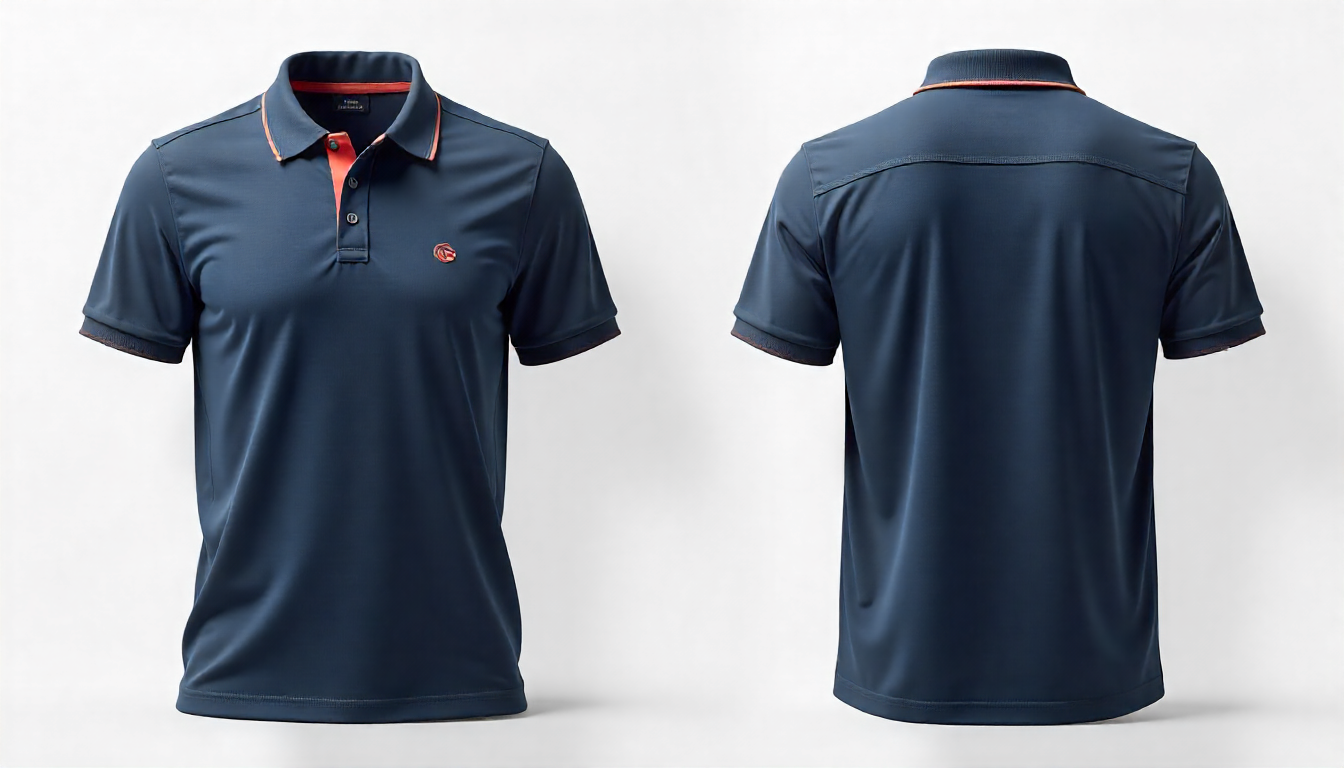
Choosing the Right Corporate Uniform Partner
For businesses in Asia, working with reliable corporate uniform suppliers in Malaysia is critical. A strong partner should provide:
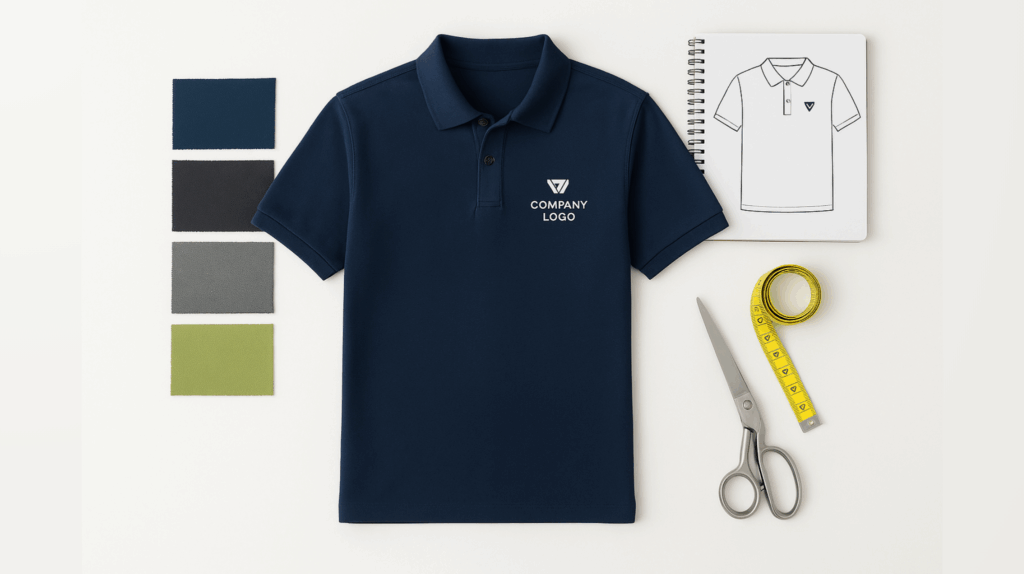
- Design Consultation – Aligning uniforms with branding goals.
- Fabric Expertise – Recommending fabrics based on durability, climate, and usage.
- Prototyping & Sampling – Allowing companies to test before bulk production.
- Consistency – Ensuring that uniforms look the same across all orders.
At Tris Apparel, we combine fabric knowledge, manufacturing expertise, and branding insight to help businesses create uniforms that reflect their identity and meet functional needs.
Final Thoughts
Corporate uniforms are no longer just workwear—they are strategic tools for branding. In hospitality, healthcare, and retail, the right staff uniform design can enhance trust, recognition, and consistency. Companies that invest in workwear branding position themselves for stronger customer relationships and long-term success.
👉 Looking to strengthen your brand through uniforms? Contact Tris Apparel to discuss how we can design uniforms that bring your brand to life.