10 Common Garment Defects—and How to Eliminate Them with QA/QC
Introduction
In apparel manufacturing, garment defects are one of the biggest pain points for both factories and buyers. Defects not only lead to rework, shipment delays, and increased costs, but they also damage a brand’s reputation with customers.
This article explores the 10 most common garment defects, why they happen, and how QA (Quality Assurance) and QC (Quality Control) work together to prevent them. By understanding real factory challenges and solutions, brands and buyers can reduce risks, strengthen trust, and ensure smooth supply chains.
📌 (Related Reading: Quality Assurance vs Quality Control in Apparel: What’s the Difference?)
- Introduction
- 1. Stitching Defects
- 2. Seam Slippage or Open Seams
- 3. Fabric Defects (Knots, Holes, Color Variations)
- 4. Uneven or Incorrect Sizing
- 5. Color Shading Differences
- 6. Fabric Pilling
- 7. Zipper, Button, or Trim Defects
- 8. Incorrect Labels or Care Tags
- 9. Fabric Shrinkage or Distortion
- 10. Stains, Dirt, or Oil Marks
- Why Preventing Garment Defects Matters for Brands
- Conclusion: Turning Factory Pain Points into Buyer Confidence
1. Stitching Defects
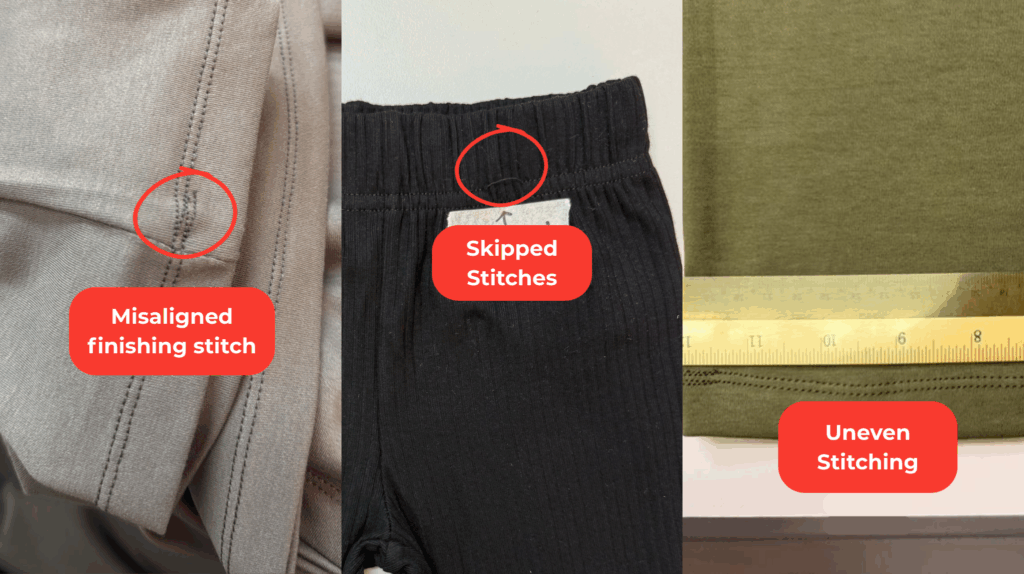
One of the most common garment defects in manufacturing is poor stitching. Issues include skipped stitches, loose threads, or uneven tension. These problems usually happen because of machine misalignment, incorrect needle size, or operator error.
How QA/QC Helps:
- QA ensures the right machine setup and operator training.
- QC checks stitching consistency during inline inspections.
- Immediate correction reduces rework at the finishing stage.
2. Seam Slippage or Open Seams
Seams are critical for garment durability. When seams slip or open after minimal stress, it often indicates poor seam construction or weak fabric strength.
How QA/QC Helps:
- QA tests fabric strength before bulk cutting.
- QC performs seam strength tests on sample pieces.
- Preventive measures reduce returns and complaints from end-users.

3. Fabric Defects (Knots, Holes, Color Variations)
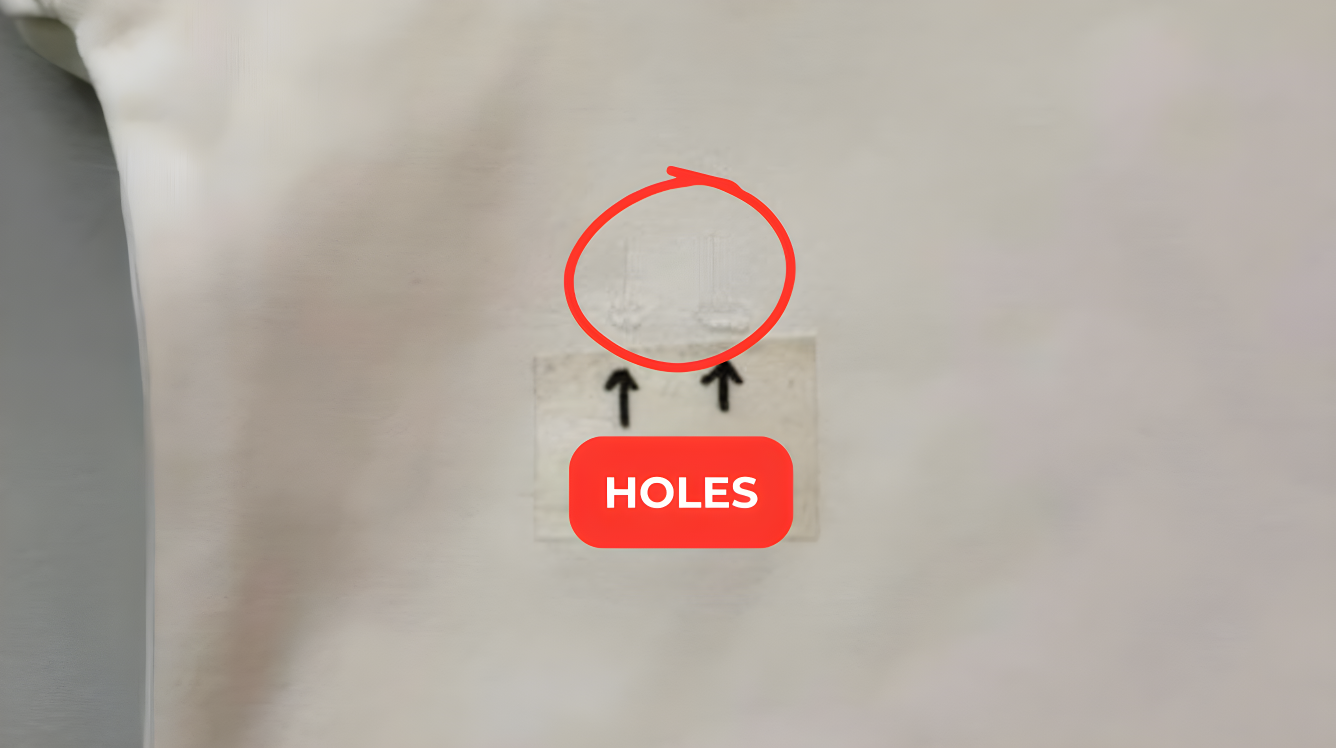
Even before sewing starts, fabric itself may contain flaws. Knots, holes, or inconsistent dyeing can lead to visible issues after production.
How QA/QC Helps:
- QA sets fabric inspection protocols before production.
- QC performs fabric roll checks for shade variations.
- Defective fabric is rejected early, avoiding large-scale waste.
4. Uneven or Incorrect Sizing
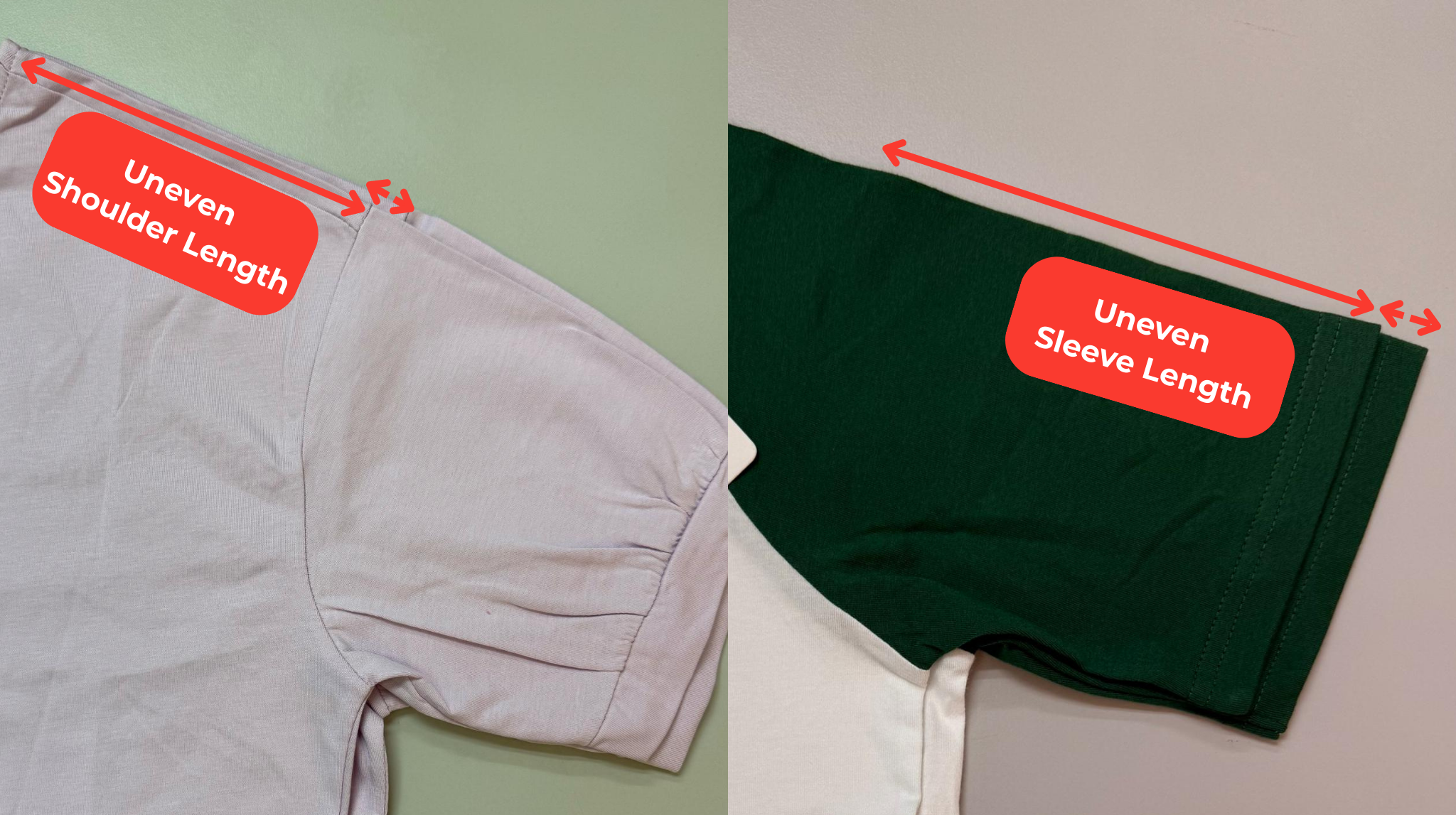
Sizing errors occur when patterns are inaccurate, markers are misaligned, or cutting machines are not properly calibrated. This can lead to inconsistent measurements such as uneven shoulder width, body length, or hem length, frustrating buyers and increasing product returns.
How QA/QC Helps:
- QA ensures patterns and size specs are approved before mass cutting.
- QC checks sample measurements at each stage.
- In-process inspections catch inconsistencies early to prevent mass rejection.
5. Color Shading Differences
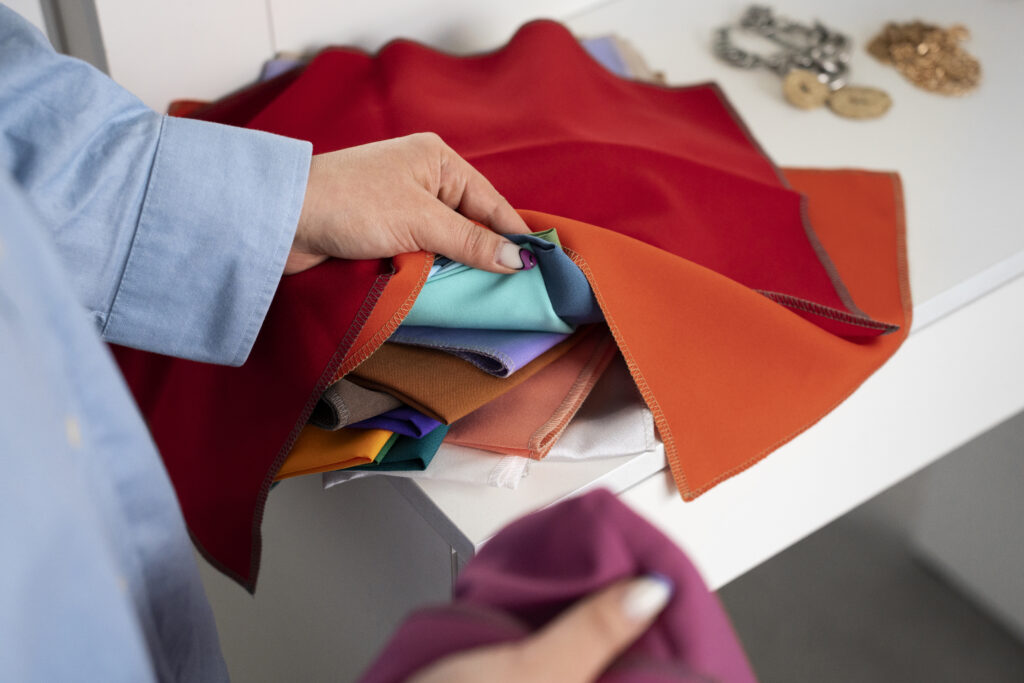
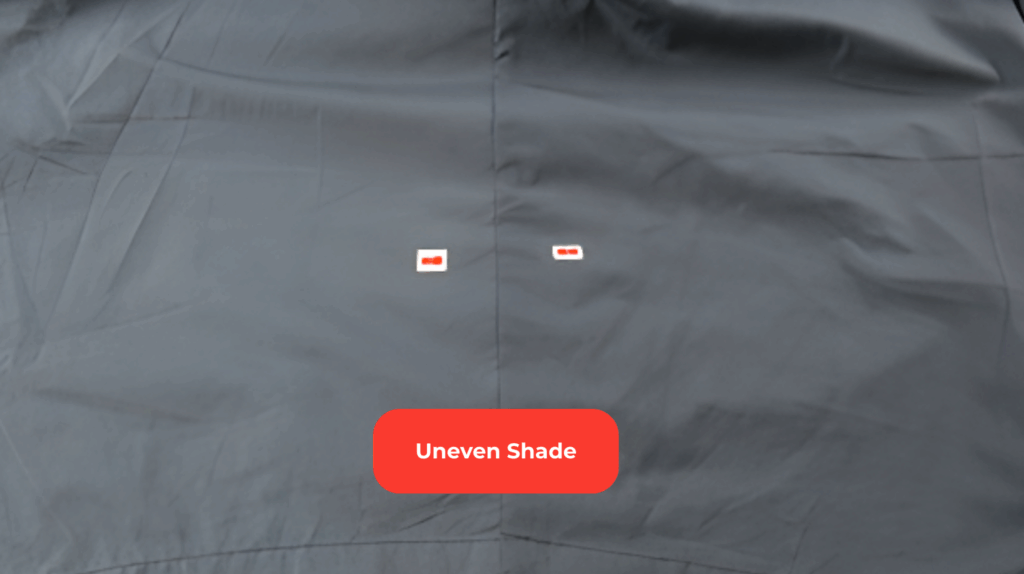
One of the most visible types of garment defects is shade variation between panels of the same garment. This usually results from mixing fabric lots or inconsistent dyeing.
How QA/QC Helps:
- QA enforces lot segregation during cutting.
- QC checks shade bands under controlled lighting.
- Consistency checks at every stage avoid final shipment rejection.
6. Fabric Pilling
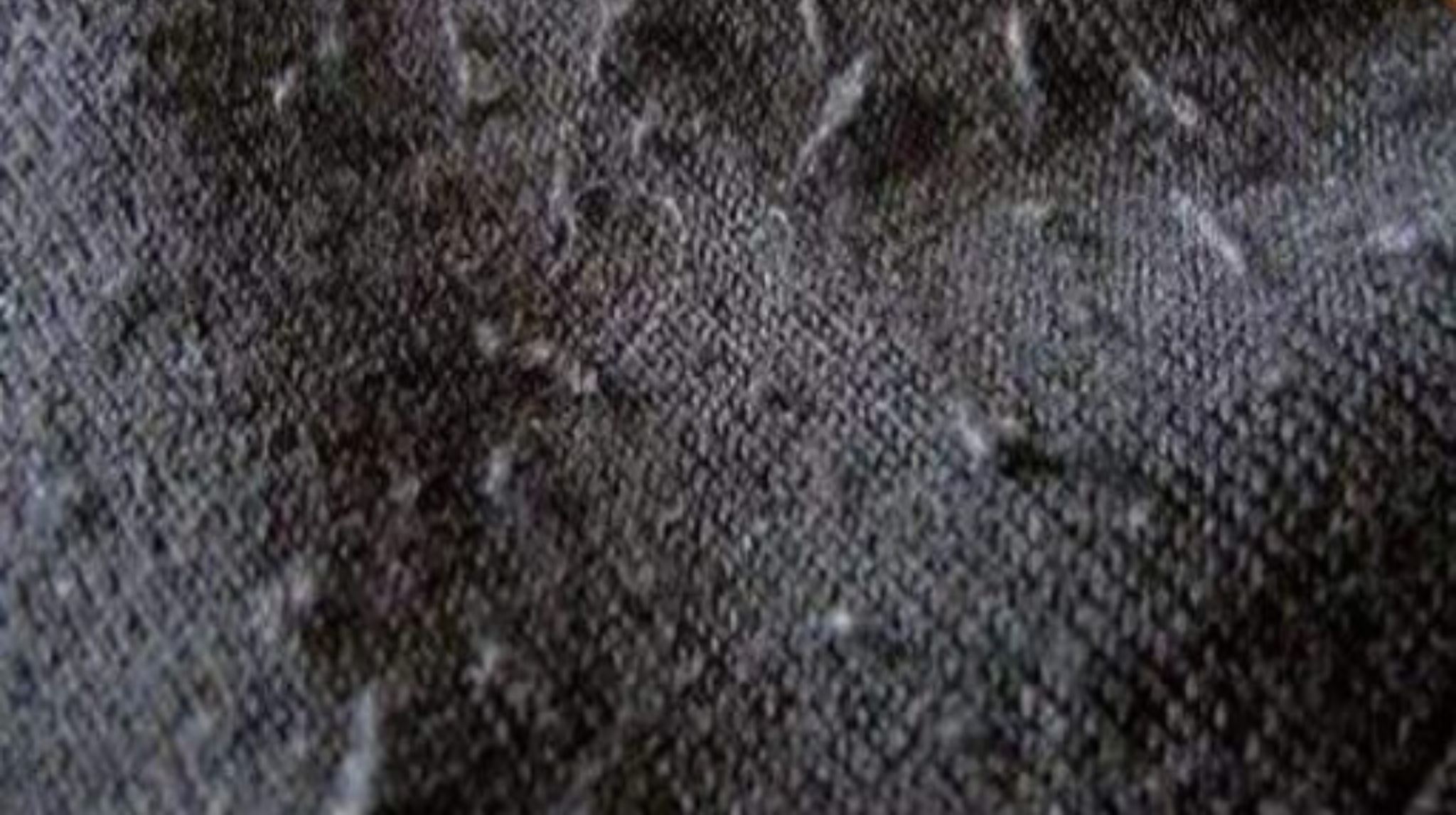
Pilling refers to small fabric balls forming on the surface due to friction. It reduces the perceived value of garments and may cause buyers to reject shipments.
How QA/QC Helps:
- QA conducts fabric pilling tests before bulk approval.
- QC monitors fabric finishing processes.
- Preventive testing ensures garments meet long-term wear expectations.
7. Zipper, Button, or Trim Defects
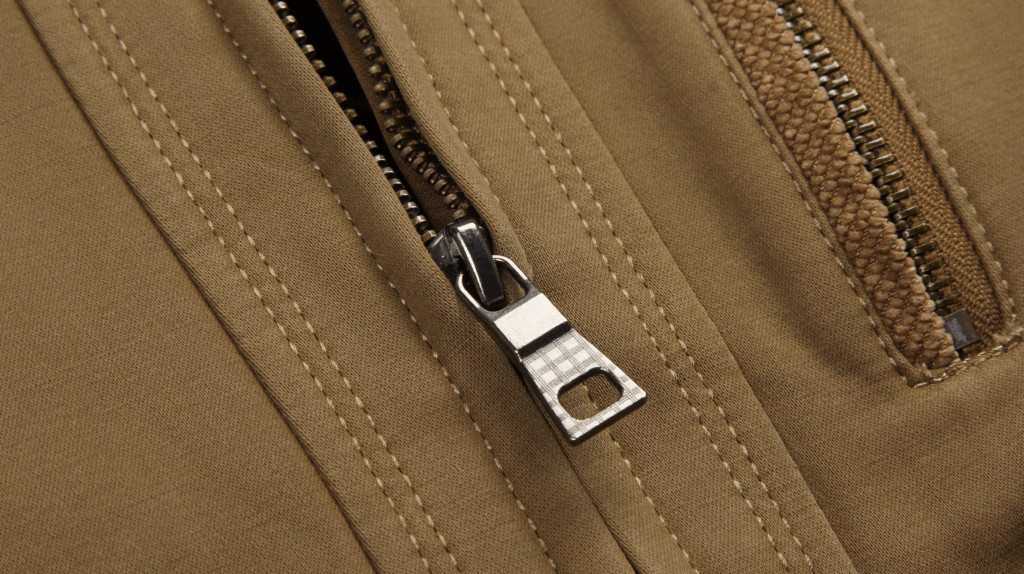
Accessories such as zippers, snaps, and buttons are common failure points. Broken trims, loose buttons, or poor zipper quality quickly undermine garment usability.
How QA/QC Helps:
- QA evaluates trim suppliers and sets performance standards.
- QC performs pull tests on zippers and button tests on samples.
- Proactive checks prevent customer dissatisfaction.
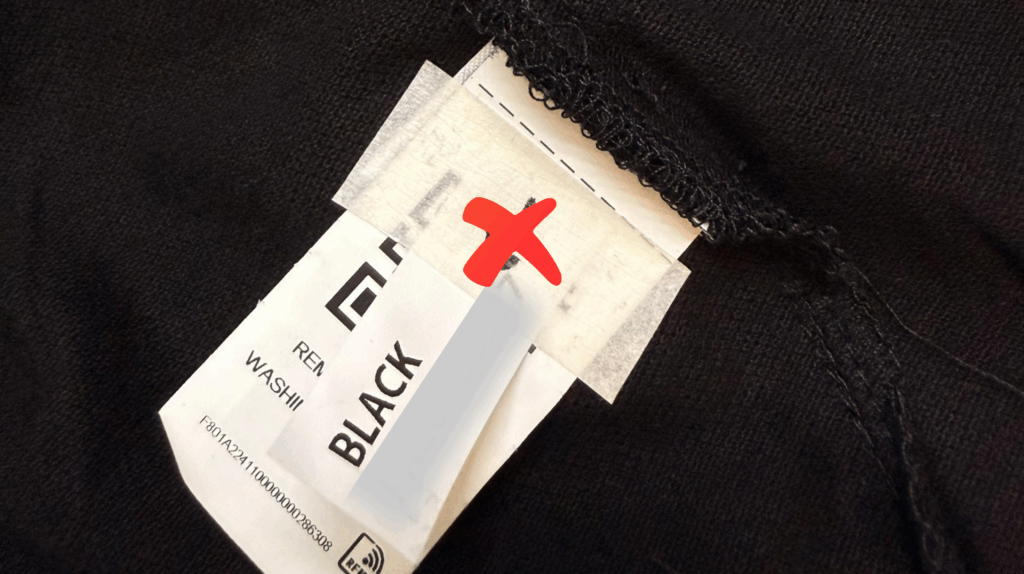
8. Incorrect Labels or Care Tags
Wrong size labels, missing wash instructions, or misbranded tags are costly mistakes. Beyond consumer confusion, they may even result in legal compliance issues in certain markets.
How QA/QC Helps:
- QA ensures label information is reviewed and approved pre-production.
- QC double-checks label placement and content before packing.
- Correct labeling avoids unnecessary re-labelling costs.
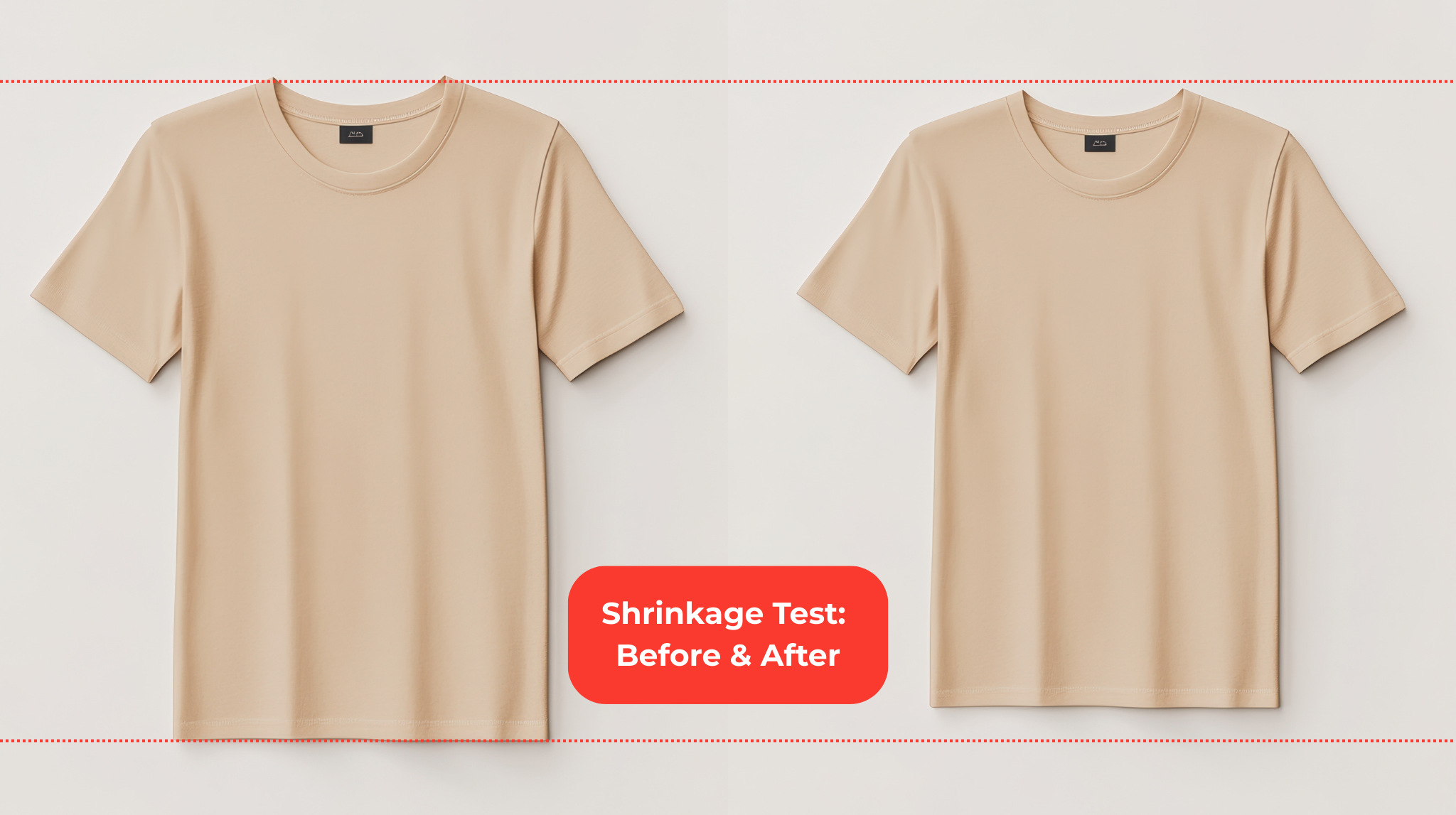
9. Fabric Shrinkage or Distortion
Uncontrolled shrinkage after washing makes garments unwearable. Distortion occurs if fabric is not pre-shrunk or if incorrect washing methods are used during finishing.
How QA/QC Helps:
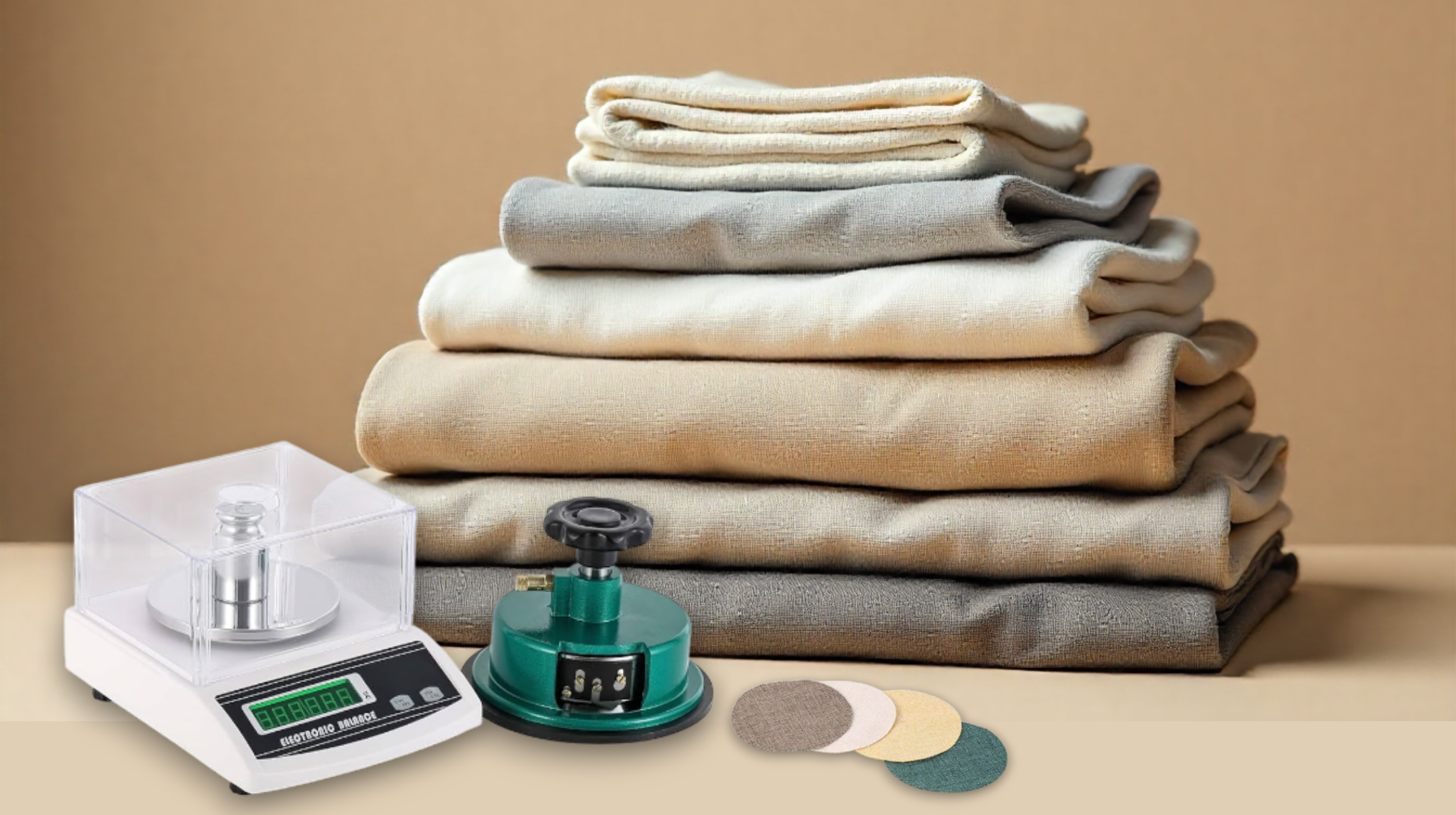
- QA ensures fabric is tested for shrinkage before bulk orders.
- QC performs wash tests during production.
- Early identification avoids large-scale post-shipment complaints.
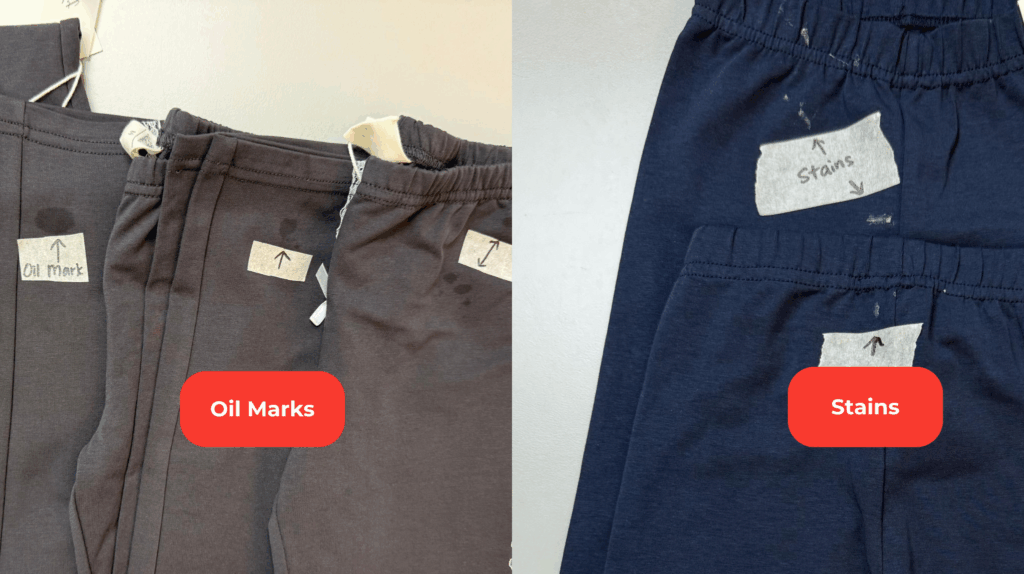
10. Stains, Dirt, or Oil Marks
Stains and marks often occur during sewing, handling, or packing. While some can be removed, many cause permanent damage and lead to rejected shipments.
How QA/QC Helps:
- QA enforces a clean production environment.
- QC checks garments at multiple stages before packing.
- Preventive discipline avoids unnecessary cleaning or disposal costs.
(Related reading: List of Garment Defects)
Why Preventing Garment Defects Matters for Brands
For apparel buyers, preventing garment defects is not just about saving costs—it’s about protecting brand trust. Consumers expect consistency, and one defective shipment can impact market reputation.
Strong QA/QC processes help:
- Reduce rework and delays
- Lower wastage and cost overruns
- Strengthen buyer-supplier partnerships
- Ensure compliance with international standards
🌍 Leading manufacturers rely on proven processes and global benchmarks to keep quality consistent across every stage of production.
Conclusion: Turning Factory Pain Points into Buyer Confidence
Garment defects are unavoidable risks in apparel manufacturing, but with the right QA/QC framework, they can be managed and minimized. From stitching and seams to labels and trims, every step requires proactive prevention and real-time correction.
At Tris Apparel, we believe consistent quality builds long-term partnerships. By addressing factory pain points before they reach the buyer, we help brands deliver products that meet expectations—without costly surprises.
📩 Looking for a reliable partner to help you prevent garment defects? Contact Tris Apparel today to discuss your production needs.