Introduction
Corporate and team uniforms have long been a fixture in workplaces—from office polos and factory workwear to event T-shirts. Yet, as organizations evolve toward hybrid work, flexible policies, and culture-driven operations, many leaders ask: are corporate and team uniforms necessary?
This article examines corporate and team uniforms from a practical B2B perspective, focusing on employee engagement, HR-led ROI, and team culture, rather than simply marketing or brand visibility.
- Introduction
- Corporate and Team Uniforms: More Than Just Clothing
- Beyond Branding: Culture and Employee Engagement
- Employee Morale: When Uniforms Help—and When They Don’t
- Team Bonding and Internal Recognition
- Optional vs Mandatory: Choosing the Right Approach
- HR-Led ROI: Practical Metrics Over Marketing Hype
- Total Cost Considerations
- Recognition and Smart Use of Corporate and Team Uniforms
- Making the Decision: Are Corporate and Team Uniforms Necessary?
- Conclusion
Corporate and Team Uniforms: More Than Just Clothing
Uniforms are no longer limited to rigid, one-size-fits-all outfits. Today, corporate and team uniforms include:
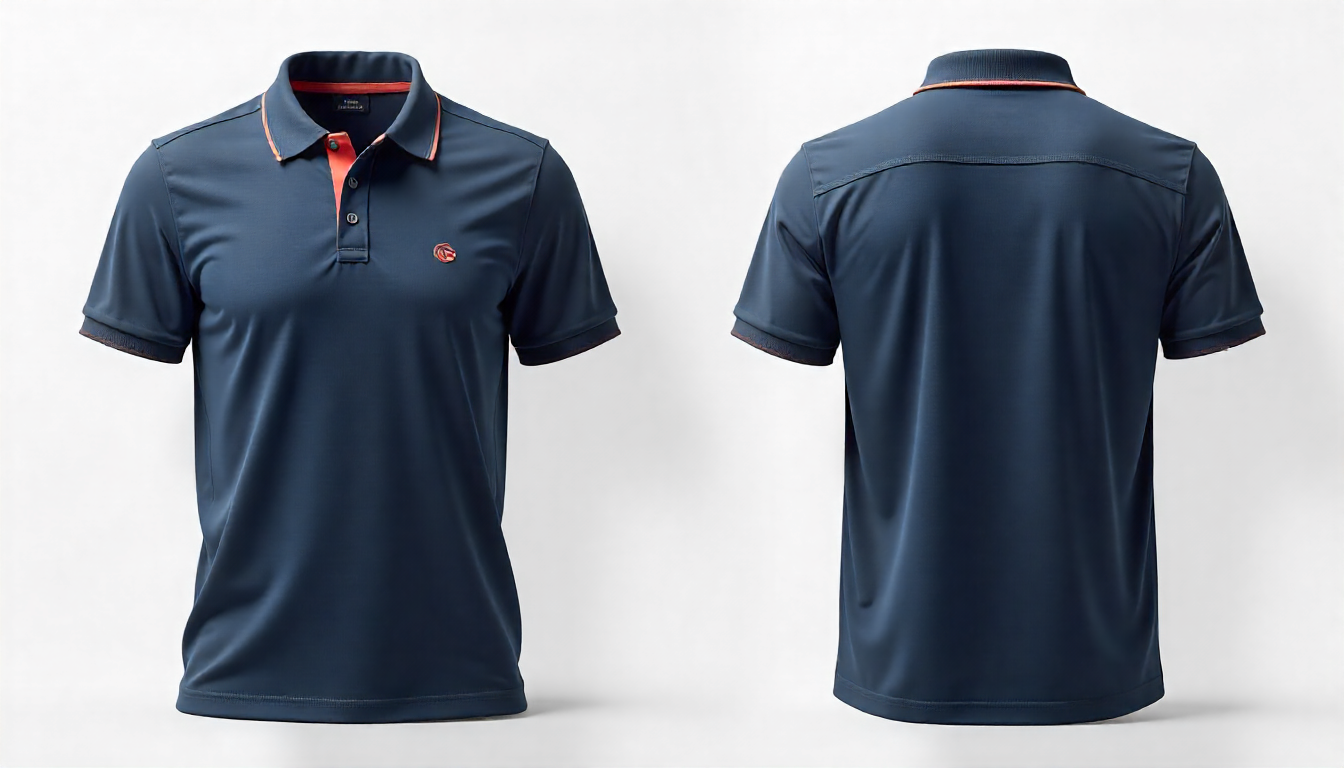
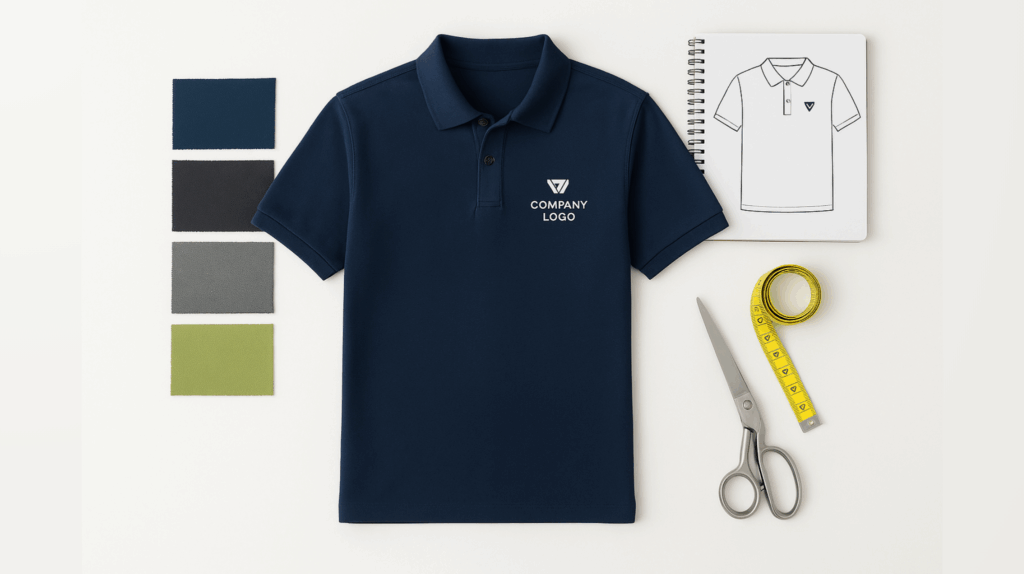
- Office shirts or polos with subtle logos
- Team T-shirts for departments, projects, or events
- Jackets or hoodies for recognition programs
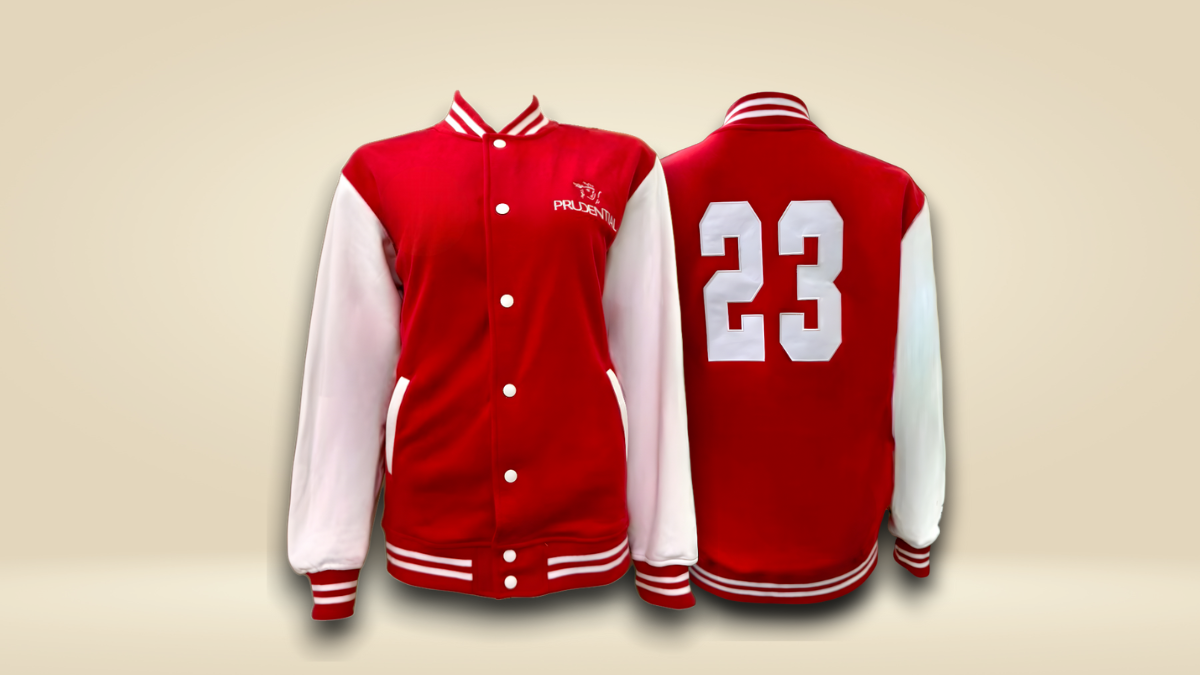
- Varsity jackets for milestone achievements
- Functional attire for frontline or operational teams
The real question is why these uniforms exist, and whether they truly support employees and organizational goals.
Beyond Branding: Culture and Employee Engagement
While corporate uniforms have traditionally been linked to brand visibility, their internal impact is often more significant. Well-designed corporate and team uniforms can:
- Promote a sense of belonging among employees
- Reduce visible hierarchy across roles
- Accelerate onboarding for new team members
- Enhance team cohesion during projects or events
However, uniforms alone cannot build culture. Companies with weak internal communication or engagement will see limited results regardless of uniform style or design.
🔗 For a deeper look at corporate uniforms as a branding tool, see our previous article Corporate Uniforms as a Branding Tool

Employee Morale: When Uniforms Help—and When They Don’t
Uniforms are often introduced to boost morale, but results are mixed.
When corporate and team uniforms support morale
- Comfortable, well-fitting apparel
- Apparel tied to recognition or achievement rather than daily obligation
- Designs that employees feel proud to wear outside work
For example, a varsity jacket for milestone achievement can create pride and foster a sense of accomplishment far better than a daily office shirt.
Research shows uniforms can influence employee engagement and pride at work (HCA Mag Asia)
When uniforms hurt morale
- Uncomfortable fabrics or poor sizing
- One-size-fits-all designs across diverse teams
- Mandatory rules without context or employee input
In these situations, uniforms can feel controlling rather than supportive.
Team Bonding and Internal Recognition
Beyond daily wear, team uniforms can strengthen recognition programs. They can signal:
- Project or department completion
- Participation in cross-functional initiatives
- Sports teams, CSR activities, or volunteer events
- Leadership or mentoring roles
Limited-edition team apparel—like jackets or T-shirts for achievements—often achieves higher engagement and emotional value than standard corporate uniforms.

Optional vs Mandatory: Choosing the Right Approach
One key consideration is whether uniforms should be optional or mandatory.
Mandatory uniforms make sense when:
- Safety, hygiene, or compliance standards are critical
- Staff are customer-facing and uniformity is essential
- Operational efficiency relies on consistent attire
Typical examples: manufacturing, logistics, retail, and healthcare teams.
Optional uniforms work best when:
- Teams are office-based or hybrid
- Creative work and individuality are valued
- Uniforms are used for recognition or events
Many modern companies adopt a hybrid strategy: mandatory uniforms for operational staff, optional attire for office or project teams.
HR-Led ROI: Practical Metrics Over Marketing Hype
When evaluating corporate and team uniforms, HR should consider real value, not just visual impact.
Key ROI questions include:
- Does the uniform reduce daily friction for employees?
- Does it support retention, engagement, or recognition?
- Will employees actually wear it?
- Does the cost justify usage and benefits?
Uniforms that remain unused deliver zero ROI, regardless of branding claims.
Total Cost Considerations
Cost goes beyond the unit price of apparel. True expenses include:
- Replacement and resizing
- Storage, logistics, and distribution
- Time spent enforcing uniform rules
- Employee dissatisfaction due to poor quality or fit
Often, smaller batches of meaningful, event-based uniforms cost less long-term than mass-produced daily wear.
Recognition and Smart Use of Corporate and Team Uniforms
In modern workplaces, uniforms are no longer just daily workwear—they can also serve as recognition tools and selective team apparel.
Benefits of recognition-focused uniforms:
- Seen as a reward or acknowledgement rather than a mandatory item
- Comfortable and versatile, wearable outside work, increasing perceived value
- Suitable for cross-functional teams, milestone achievements, or project recognition
At the same time, hybrid and flexible work arrangements have changed how uniforms are used:
- Daily uniforms are less relevant for remote employees
- Event-based or role-specific apparel is more effective
- Selective uniform strategies—like jackets, hoodies, or T-shirts for client meetings, milestone achievements, or top-performing teams—achieve higher adoption and engagement than enforcing daily uniforms
By combining recognition and selective usage, companies can ensure that corporate and team uniforms support both morale and practicality, rather than being ignored or resented.
Making the Decision: Are Corporate and Team Uniforms Necessary?
The answer depends on the organization’s context:
- Necessary: Operational roles, safety-compliant positions, customer-facing teams
- Optional but valuable: Office-based teams, event participation, recognition programs
- Not necessary: Flexible, hybrid, or creative teams where uniforms do not add practical or cultural value
The goal is not just visual uniformity, but supporting employees in ways that feel practical, respectful, and meaningful.
Conclusion
Corporate and team uniforms are tools, not culture itself. Their impact depends on:
- Team structure and work environment
- Leadership intent and employee inclusion
- Practicality, comfort, and recognition elements
- Cost-effectiveness and HR ROI
Organizations that approach uniforms as part of a wider employee engagement strategy—rather than a marketing exercise—see better adoption, morale, and team cohesion.
🔗 Learn more about how corporate uniforms can support brand identity in our article Corporate Uniforms as a Branding Tool
Need smarter corporate or team uniforms? 🔗 Get in touch to explore tailored solutions.