Introduction
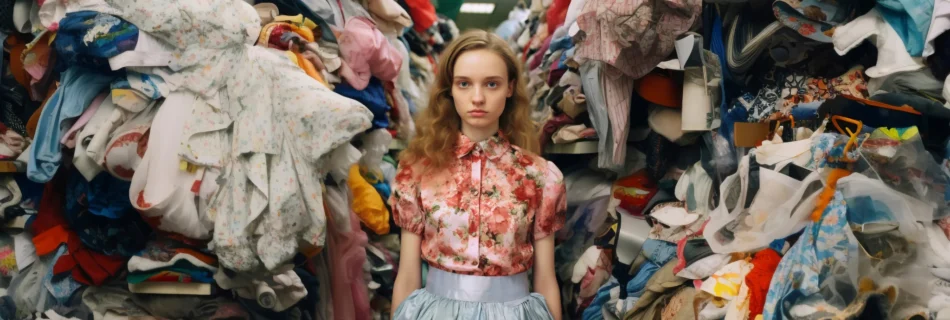
Fast fashion has become the norm in today’s clothing industry. Major brands like Zara, H&M, and Shein are known for releasing new styles at rapid speed—often at prices that raise questions about sustainability and ethics.
This article explores the hidden cost of this model from three key angles: labor, environmental impact, and long-term brand risk. For small and emerging labels, it’s not just a trend—it’s a serious strategic choice.

1. What Is Fast Fashion—and Why Is It So Popular?
Fast fashion refers to producing large volumes of trendy clothing at very low costs, with short design-to-shelf cycles. The goal? Satisfy ever-changing consumer demand by pushing new collections constantly.
Key characteristics:
- Rapid production (2–4 weeks from design to retail)
- Trend replication from influencers, runways, or pop culture
- Low prices to encourage frequent purchases
- Short product life cycles, leading to high turnover
Brands like Shein and Zara have built billion-dollar operations on this model. But for many smaller brands, copying this approach can bring more harm than good.
2. Behind the Price Tag: The Cost to Garment Workers
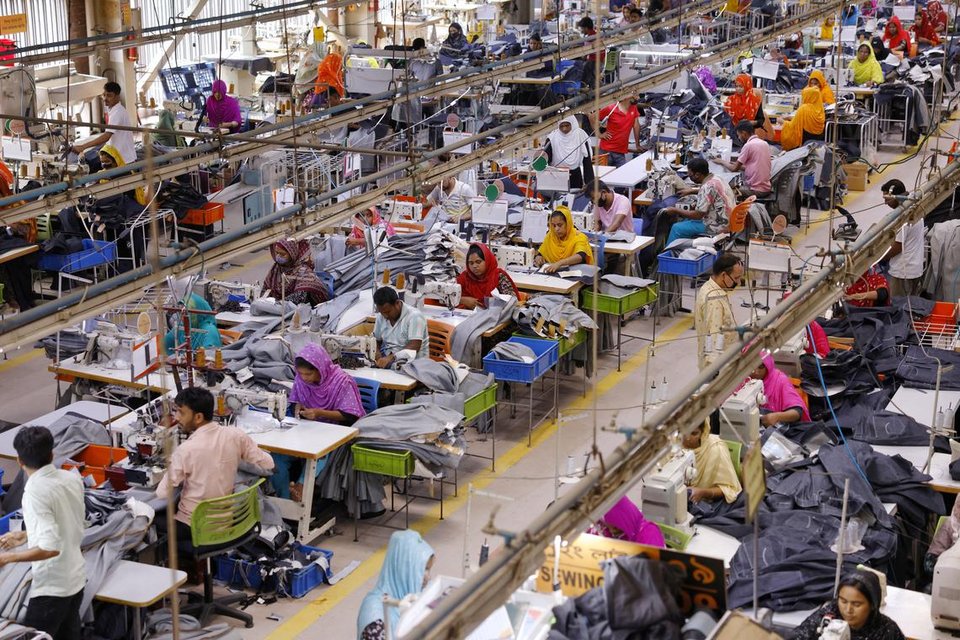
Fast fashion relies heavily on labor from countries like Bangladesh, Vietnam, and parts of China, where wages are low and labor protections are often weak. Most workers are women, many supporting families with minimal rights at work.
What’s really happening:
- Dangerous working conditions: The Rana Plaza disaster in 2013 killed over 1,100 workers when a garment factory collapsed—BBC report. It exposed just how unsafe fast fashion supply chains can be.
- Extremely low wages: Many workers earn less than US$3–5 per day, far below local living wage standards.
- Excessive working hours: During high seasons, shifts often stretch to 14–16 hours, with few breaks or overtime pay.
- Lack of voice: In many regions, unionizing or raising complaints risks job loss.
These human costs are invisible to consumers—but deeply felt by millions.
3. The Brand Trap: Fast Fashion Isn’t Made for Longevity
New brands might think fast fashion is the easiest path to growth. Quick product cycles and low production costs seem attractive, especially in uncertain economies. But this model can easily backfire.
Risks for small brands:
- No brand identity: Following fast-moving trends makes it hard to develop a distinct brand voice or loyal customer base.
- Quality control problems: Relying on the cheapest factories often results in inconsistent sizing, defective items, or shipping delays.
- Reputation risks: With growing consumer awareness, being linked to unethical production can lead to backlash or lost trust.
- Hidden operational costs: Frequent design revisions, reorders, or last-minute fixes drain resources over time.
Instead of chasing speed, many growing brands succeed by building meaningful relationships with manufacturers and prioritizing transparency.
4. Environmental Consequences: Disposable Fashion, Permanent Waste
Fast fashion not only impacts people—it strains the planet. The pace and volume of production create enormous environmental challenges, many of which are invisible at the point of sale.
Major impacts include:
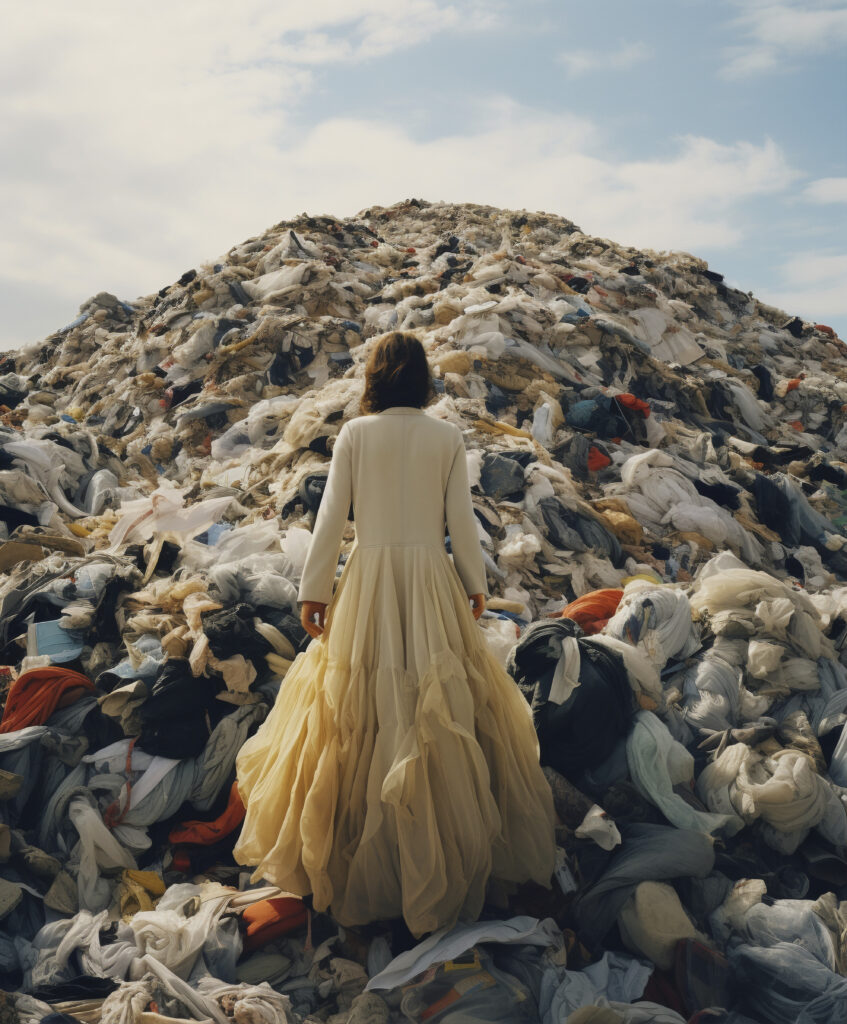
- Waste crisis: More than 92 million tons of textile waste are generated globally each year. Many items are discarded after only a few wears.
- Water pollution: Textile dyeing is a major cause of river pollution in Asia. Toxic chemicals are often released untreated into local waterways.
- High water use: Making a single cotton shirt can use over 2,700 liters of water—the equivalent of three years of drinking water for one person.
- Carbon emissions: The fashion industry produces an estimated 8–10% of global CO₂ emissions—more than international flights and shipping combined.
Source: UNEP, 2023
As climate concerns rise, brands that overlook these impacts risk falling behind—both in reputation and long-term customer trust.
5. What Should Emerging Brands Do Instead?
In tough economic times, it’s tempting to cut corners. But building a brand that lasts requires more than fast output—it needs clarity, care, and smart partnerships.
Alternative strategies:
- Start small, scale smart: Work with manufacturers who understand low minimum orders and flexible growth models.
- Prioritize communication: Open dialogue reduces errors, misalignment, and delays—especially in product development.
- Focus on design integrity: Timeless pieces, thoughtful edits, and practical collections tend to resonate more deeply than fast trends.
- Partner with aligned suppliers: Ethical production is no longer a bonus—it’s a brand expectation.
The right production partner isn’t just a factory—it’s a long-term ally in brand-building.
Conclusion
Fast fashion offers speed and affordability—but these come at a cost. For workers, it means exploitation. For the planet, it means lasting damage. And for small brands, it often means instability and risk.
If your goal is to build something real, responsible, and resilient, the answer isn’t to run faster—it’s to run smarter.
✅ Looking for a Better Alternative to Fast Fashion Production?
Whether you’re launching your first collection or scaling a niche label, choosing a partner that values clarity, flexibility, and mutual trust can make all the difference.
Let’s explore what smarter manufacturing could look like for your brand — Start the conversation.