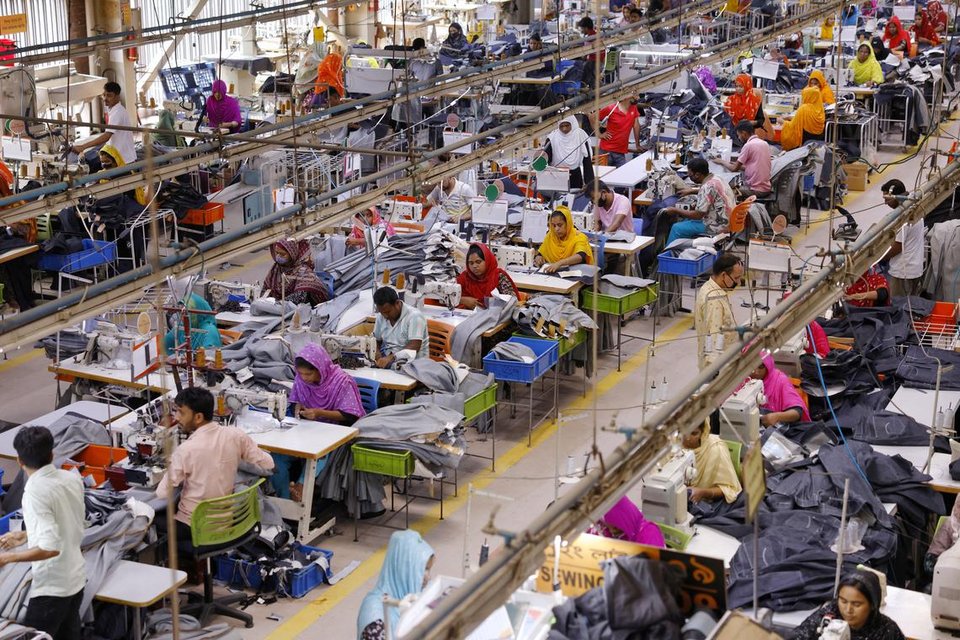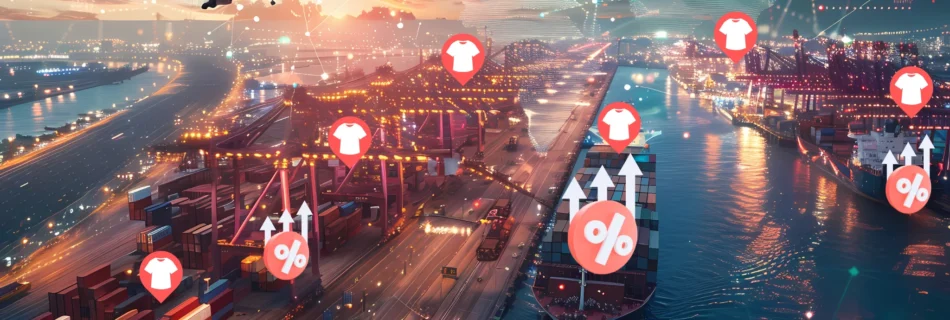
Fashion industry challenges 2025 are reshaping how global and regional brands manage cost, sourcing, and production. The tariff impact on apparel—particularly in Asia—is forcing companies to rethink where and how they manufacture.
For brands in Malaysia, Singapore, and across Southeast Asia, these challenges present a unique opportunity to build more agile, cost-effective sourcing strategies that support long-term growth.
- The Tariff Tension: What’s Shifting in 2025?
- Fashion Industry Challenges 2025: Beyond Tariffs
- Opportunities for Smart Brands in 2025
- Activewear’s Growth Amid Tariff Pressure
- Malaysia & Singapore: Stronger Together
- Final Thoughts: Turning Disruption into Direction
- Your Apparel Production Partner in Southeast Asia
The Tariff Tension: What’s Shifting in 2025?
One of the most critical fashion industry challenges 2025 brings is the resurgence of apparel tariffs, especially on synthetic materials and finished goods. Trade tensions have prompted governments like the U.S. and EU to increase:
- Duties on synthetic fabrics, trims, and accessories
- Tariffs on finished garments, particularly activewear
- Regulatory hurdles on low-value cross-border e-commerce
This creates significant cost pressure for brands relying on synthetic-heavy product categories or cross-border direct-to-consumer sales. The tariff impact on apparel is forcing sourcing realignment across the industry.
📚 Source: The Business Times – Asian Garment Industry Braces for Higher U.S. Tariffs
The U.S. also implemented a 24% tariff on Malaysian imports in April 2025, rising to 25% in August. This limits cost advantages for brands exporting to the U.S. but doesn’t impact brands focused on Asian, European, or Middle Eastern markets.
📚 Source: New Straits Times – Impact of U.S. Tariffs on Malaysia: What Steps Should Be Taken

Fashion Industry Challenges 2025: Beyond Tariffs
1. Rising Production Costs
Besides tariffs, production costs are rising due to raw material inflation, higher logistics expenses, and stricter compliance. Brands must rethink how they protect margins without compromising value.
2. Supply Chain Disruptions
Environmental events, trade shifts, and unpredictable delays are pressuring global sourcing timelines. This makes southeast asia apparel sourcing more appealing due to proximity, efficiency, and geopolitical balance.
📚 Source: McKinsey – The Fashion Industry Faces a World in Flux
3. Cross-Border E-Commerce Pressure
Lower de minimis exemptions—especially in the U.S.—are impacting small-parcel shipments, making regional e-commerce fulfillment a smarter model in 2025.
Opportunities for Smart Brands in 2025
While fashion industry challenges 2025 are real, brands that move fast and make informed sourcing decisions can gain market share.
🔁 Rethinking Sourcing: Why Malaysia Still Matters
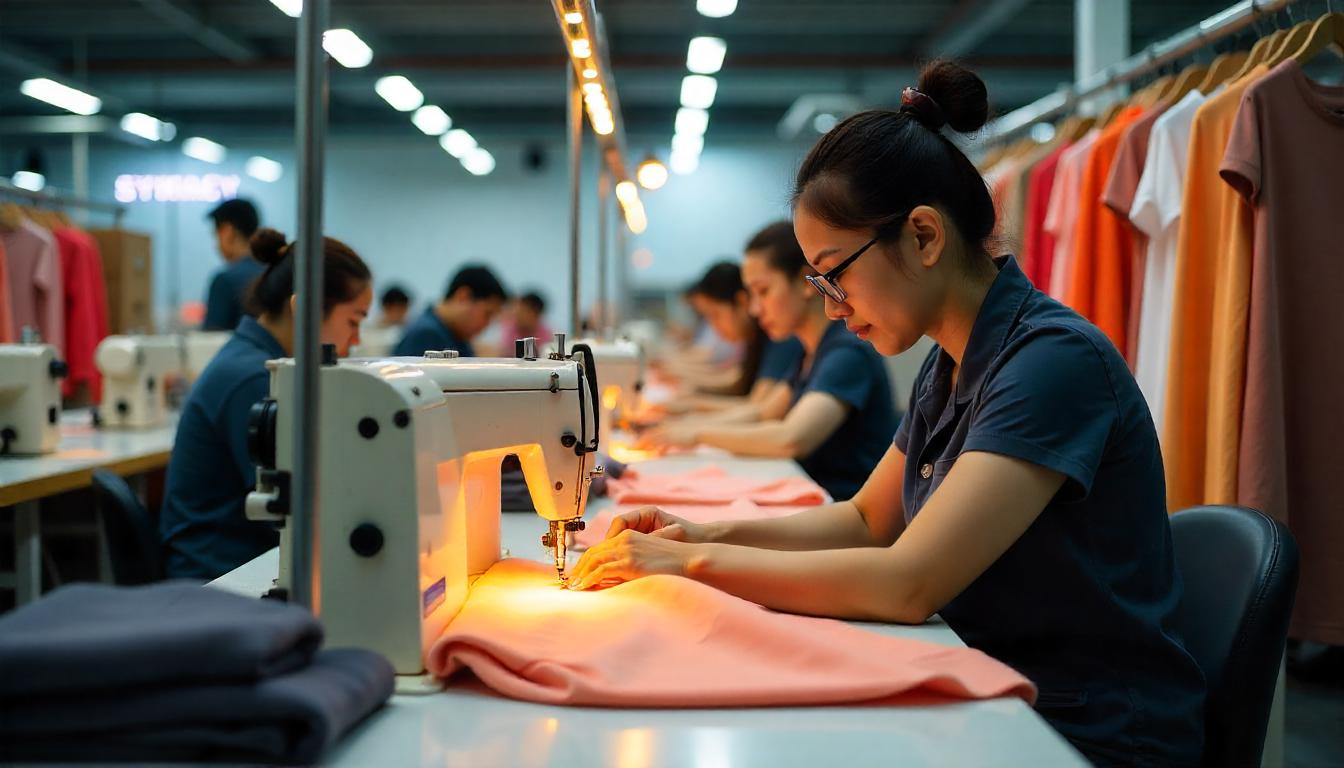
Malaysia apparel manufacturing stands out for:
- Customization & low MOQ options
- Strong IP & labor compliance
- Multi-category expertise (activewear, uniforms, kidswear)
Though U.S.-bound exports face tariffs, brands focused on Asia-Pacific and Europe continue sourcing from Malaysia to benefit from its manufacturing maturity and turnaround speed.
📚 Source: Sourcing Textiles from Malaysia 2025
📌 Explore Tris Apparel’s activewear manufacturing capabilities.
🔄 Southeast Asia Diversification
| Country | Key Strengths |
|---|---|
| Malaysia | Agile small-batch, compliant, strong regional networks |
| Vietnam | High-volume basics for EU/US |
| India | Cotton-rich, cost-effective, strong domestic growth |
| Bangladesh | Ultra-low-cost, bulk production, woven specialties |
💰 Optimizing Pricing Strategy
Brands are rethinking pricing via:
- Region-specific tiering
- Bundled offerings
- Value storytelling to justify cost increases
🌱 Sustainability Still Matters
Gen Z and Millennials in Asia want:
- Traceable, durable fabrics
- Ethical production practices
- Reduced carbon footprints via regional apparel sourcing

🧠 Going Digital Where It Counts
Smart brands are digitizing demand planning, sampling, and compliance tracking. Tris Apparel works with client systems to align with these workflows, helping reduce delays and friction.
Activewear’s Growth Amid Tariff Pressure
The tariff impact on apparel is hitting synthetic-based categories the hardest — especially activewear, which relies heavily on polyester, nylon, and spandex materials. As tariffs on synthetic textiles rise across multiple markets, brands are adapting their sourcing and production strategies.
To stay competitive, many are:
- Switching to sustainable or tariff-exempt fabrics like recycled poly or regionally sourced blends
- Leveraging activewear production networks in Asia (Malaysia, Vietnam, Indonesia) to localize manufacturing and reduce cross-border duties
- Building regional fulfillment hubs to shorten lead times and optimize for local tariffs and logistics
The Asia-Pacific activewear market surpassed USD 97 billion in 2024 and is forecast to grow rapidly in 2025, driven by rising consumer demand for performance apparel across daily life — from gym to commute to leisure. Brands not adjusting their sourcing strategies risk falling behind in both price and delivery efficiency.

Malaysia & Singapore: Stronger Together
Fashion brands in Malaysia and Singapore can grow faster in 2025 by working more closely with the region:
- Use ASEAN trade deals (like RCEP) to lower tariffs and reach more markets
- Work with trusted factories nearby for faster, stable production
- Ship products within Asia to save time and reduce costs
Learn how Learn how Tris Apparel helps regional brands manufacture smarter in Southeast Asia
Final Thoughts: Turning Disruption into Direction
Fashion industry challenges 2025—including the tariff impact on apparel, inflation, and delays—are here to stay. But with smart sourcing, pricing, and market targeting, brands can use this moment to grow.
Your Apparel Production Partner in Southeast Asia
We manufacture fashion apparel that fits both function and trend. From activewear, uniforms, and kidswear to other fashion categories, Tris Apparel supports brands across Malaysia, Singapore, and the region with dependable production, clear communication, and attention to design details that matter to your market.
Whether you’re launching a new line or scaling up, we help you move forward — from sampling to shipment — with confidence and care.