Why Clothes Look Cheap Is Not About Price
Introduction
Why clothes look cheap is a question many brand owners struggle with, even when they are using good fabrics and well-developed designs.
At first glance, it seems like a pricing issue. However, in most cases, the problem is not cost—it is execution. Customers do not see your sourcing effort or sampling rounds. Instead, they judge your product based on what they can immediately see and feel.
This is not just a small brand problem. Even large global companies have started cutting corners in production to manage rising costs, which directly affects how garments feel to consumers. A report by NBC News highlighted how material and finishing compromises are becoming more common across the industry.
So, if you are wondering why clothes look cheap, the real answer often lies in garment construction quality control, apparel production consistency, and garment finishing standards—not the fabric price.
- Introduction
- Key Takeaways
- 1. Why Clothes Look Cheap Even with Good Fabric
- 2. The Finishing Problem — Where First Impressions Fail
- 3. The Structure Problem — Why Garments Lose Shape
- 4. The Consistency Problem — When Sizing Breaks Trust
- Why Brands Overlook These Problems
- The Business Impact — The Hidden Cost of “Cheap” Perception
- How to Fix It — A Practical Production Approach
- Conclusion: Quality Is a System, Not a One-Time Effort
Key Takeaways
- Why clothes look cheap is not about price—it’s about execution.
Customers judge garments based on finishing, structure, and consistency, not fabric cost. - Garment finishing standards shape first impressions.
Uneven stitching, loose threads, and poor trimming immediately reduce perceived value. - Garment construction quality control determines longevity.
Weak structure, poor interfacing, and lack of reinforcement cause garments to lose shape quickly. - Apparel production consistency builds brand trust.
Inconsistent sizing and batch variation lead to customer hesitation and lower repeat purchases. - Clothing brand perceived value depends on repeatability.
A product must look and feel the same across every batch—not just in samples. - Most quality issues come from undefined production standards.
Without clear specifications, factories will default to cost-saving decisions. - Improving perceived quality starts before bulk production.
Setting standards early and controlling execution is more effective than fixing problems later.
1. Why Clothes Look Cheap Even with Good Fabric
Many brands invest heavily in fabric sourcing. They choose better materials, expecting the final product to reflect higher value. However, this is where expectations often break.
The reality is simple:
Fabric alone does not define clothing brand perceived value.
Instead, perception is shaped by:
- how the garment is constructed
- how consistent the production is
- how clean the finishing appears
As a result, even well-designed garments can look unrefined if these technical areas are not controlled. This explains why clothes look cheap despite higher production costs.
2. The Finishing Problem — Where First Impressions Fail
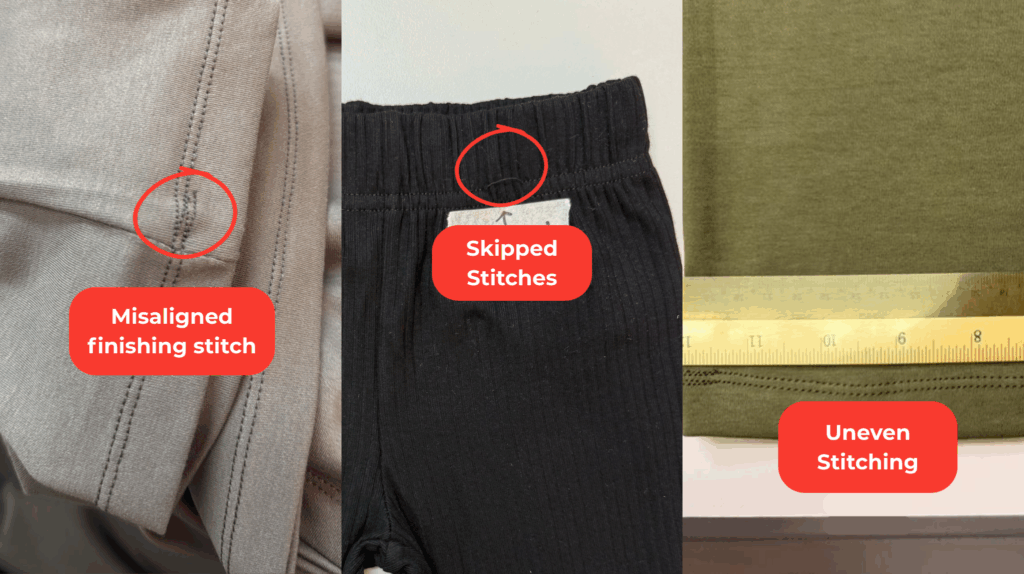
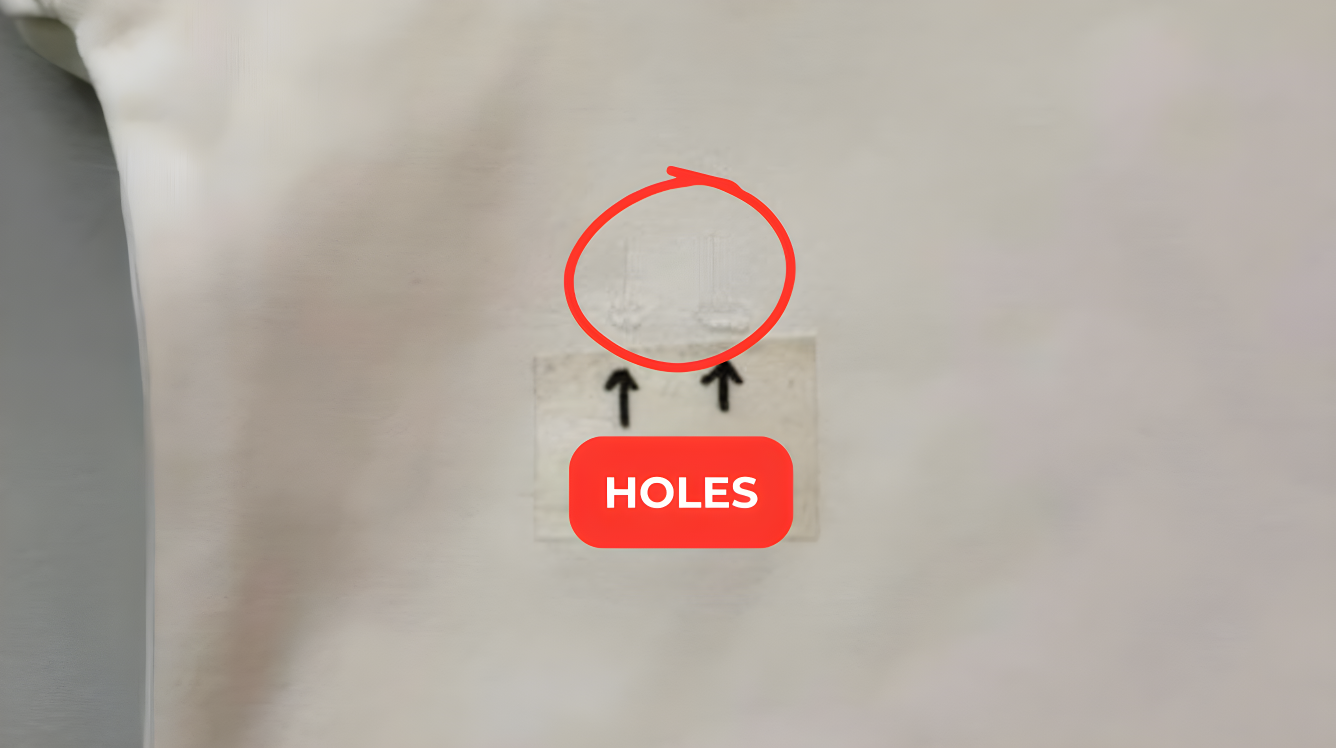
The first reason why clothes look cheap is often visible within seconds—finishing details.
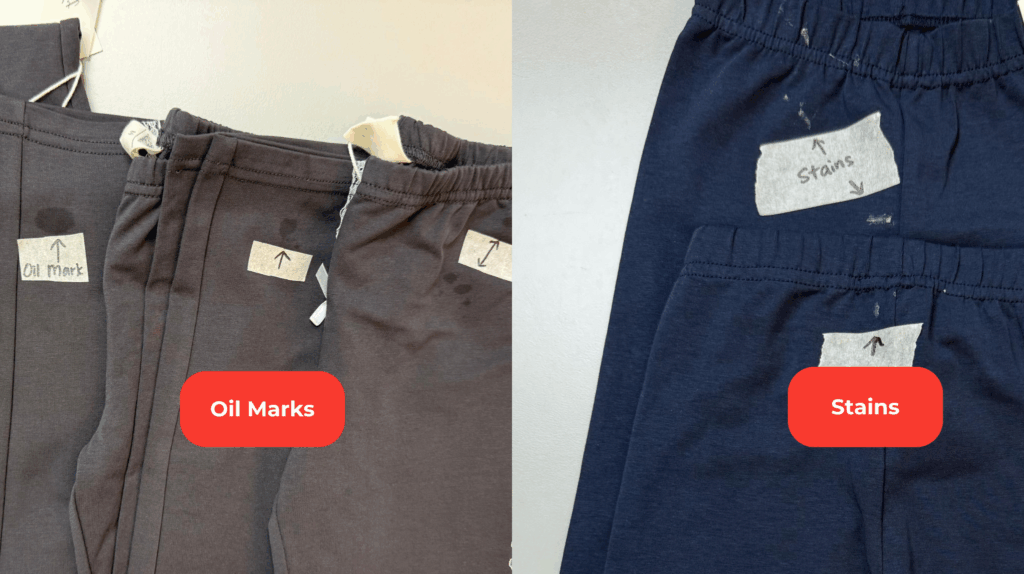
Common finishing issues:
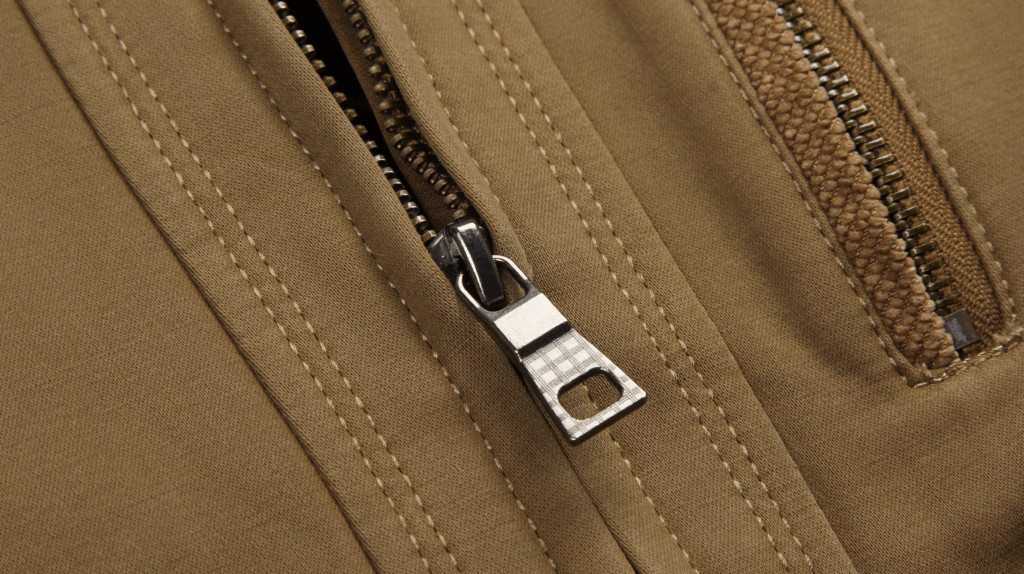
- Uneven stitching lines caused by inconsistent stitches per inch (SPI)
- Poor thread tension leading to fabric puckering
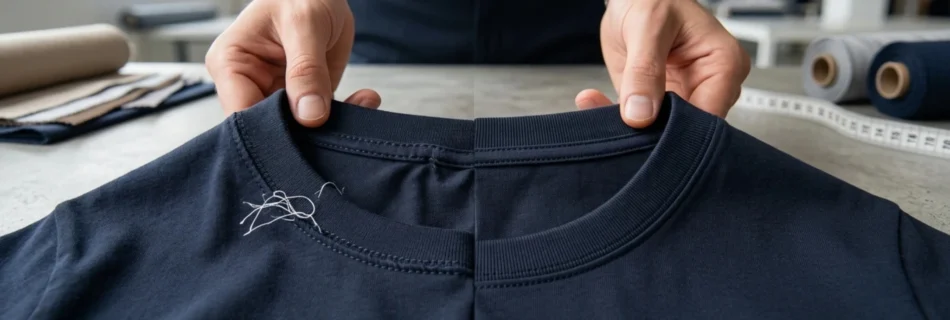
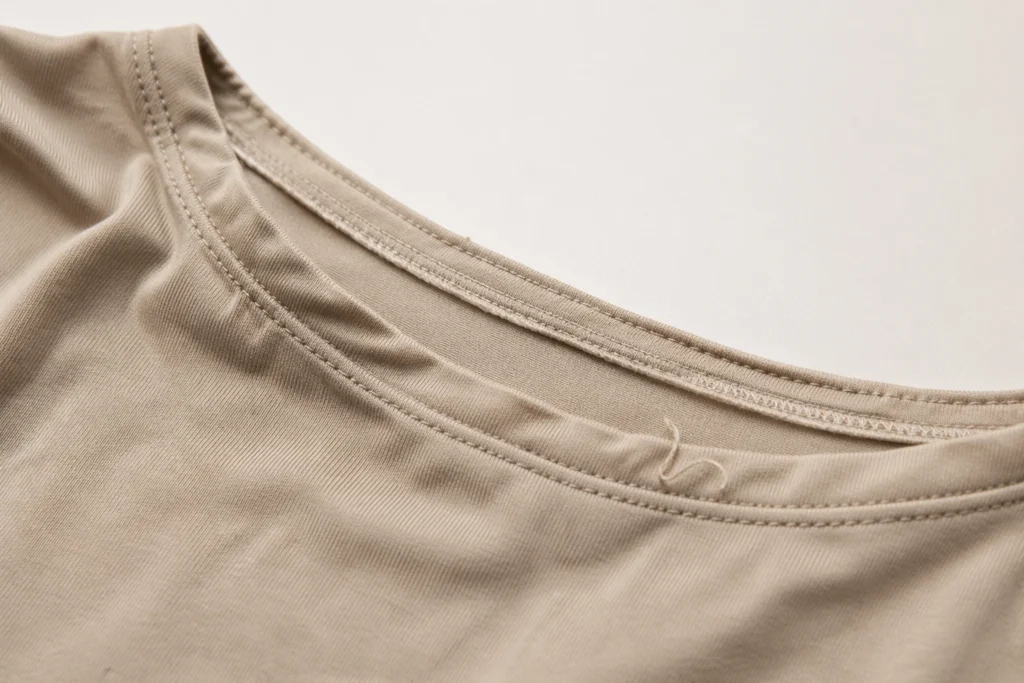
- Loose threads due to inadequate trimming
- Misaligned labels or inconsistent branding placement
These issues may seem minor during production. However, from a customer’s perspective, they signal a lack of control.
Why it matters:
Customers rarely analyze quality in technical terms. Instead, they rely on visual cues. If finishing looks inconsistent, the entire product feels unreliable.
This is where garment finishing standards become critical. Without clear standards, even a well-made garment can appear poorly executed.
3. The Structure Problem — Why Garments Lose Shape
Another key reason why clothes look cheap is weak garment structure.
A product may look good when new. However, if it loses shape quickly, the perceived value drops immediately.
Structural issues include:
- Collars and plackets collapsing due to weak interfacing
- Lack of reinforcement at stress points such as armholes and pockets
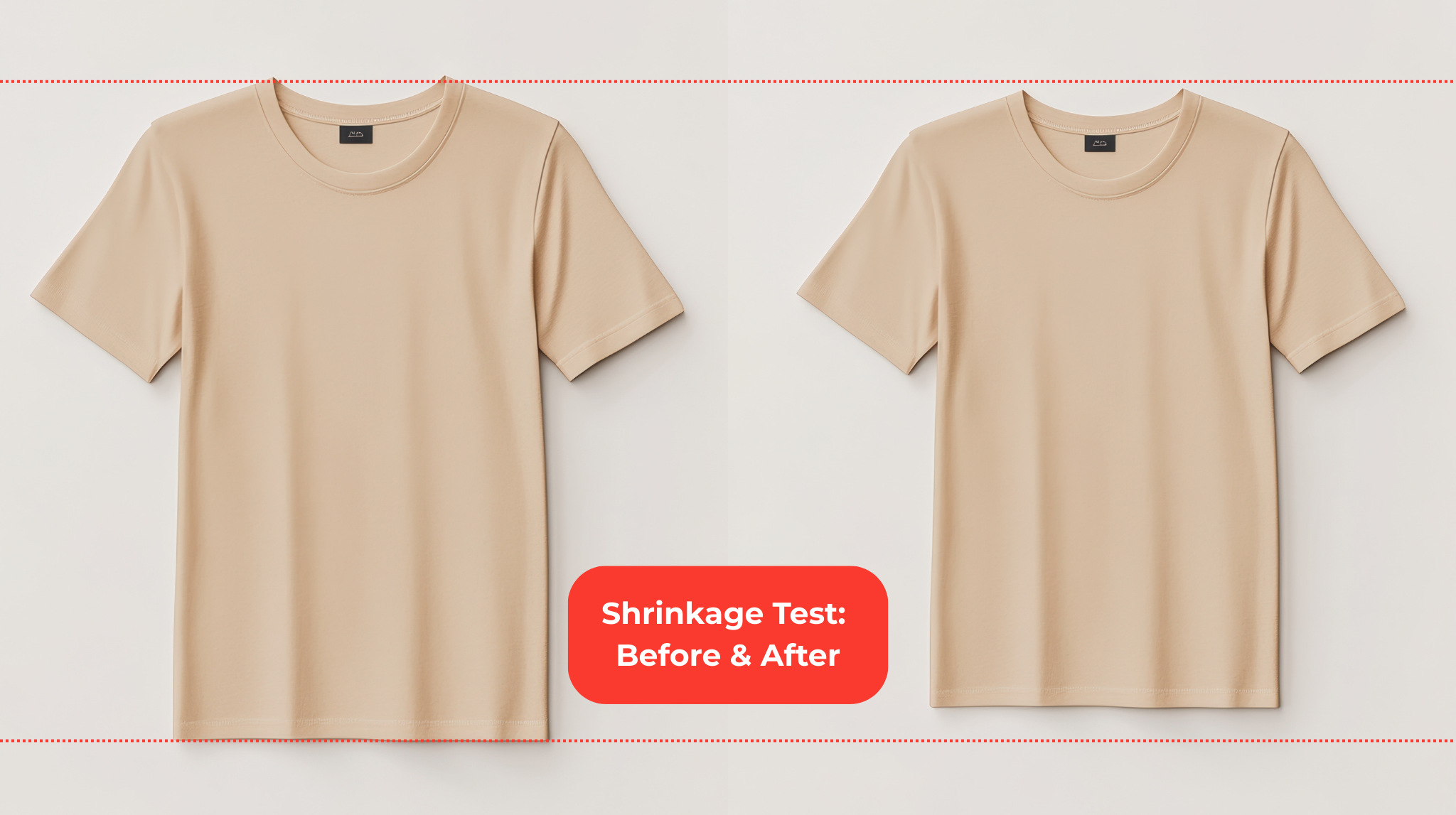
- Incorrect fabric cutting direction causing twisting after washing
- Patterns not engineered for repeated wear
The deeper issue:
Structure is not visible at first glance—but it is felt over time.
This is where garment construction quality control plays a major role. Without proper internal construction standards, garments cannot maintain their form.
Design creates appeal. Structure builds trust.
4. The Consistency Problem — When Sizing Breaks Trust
Even if finishing and structure are well executed, inconsistency across production can still damage your brand.
Why clothes look cheap in this case:
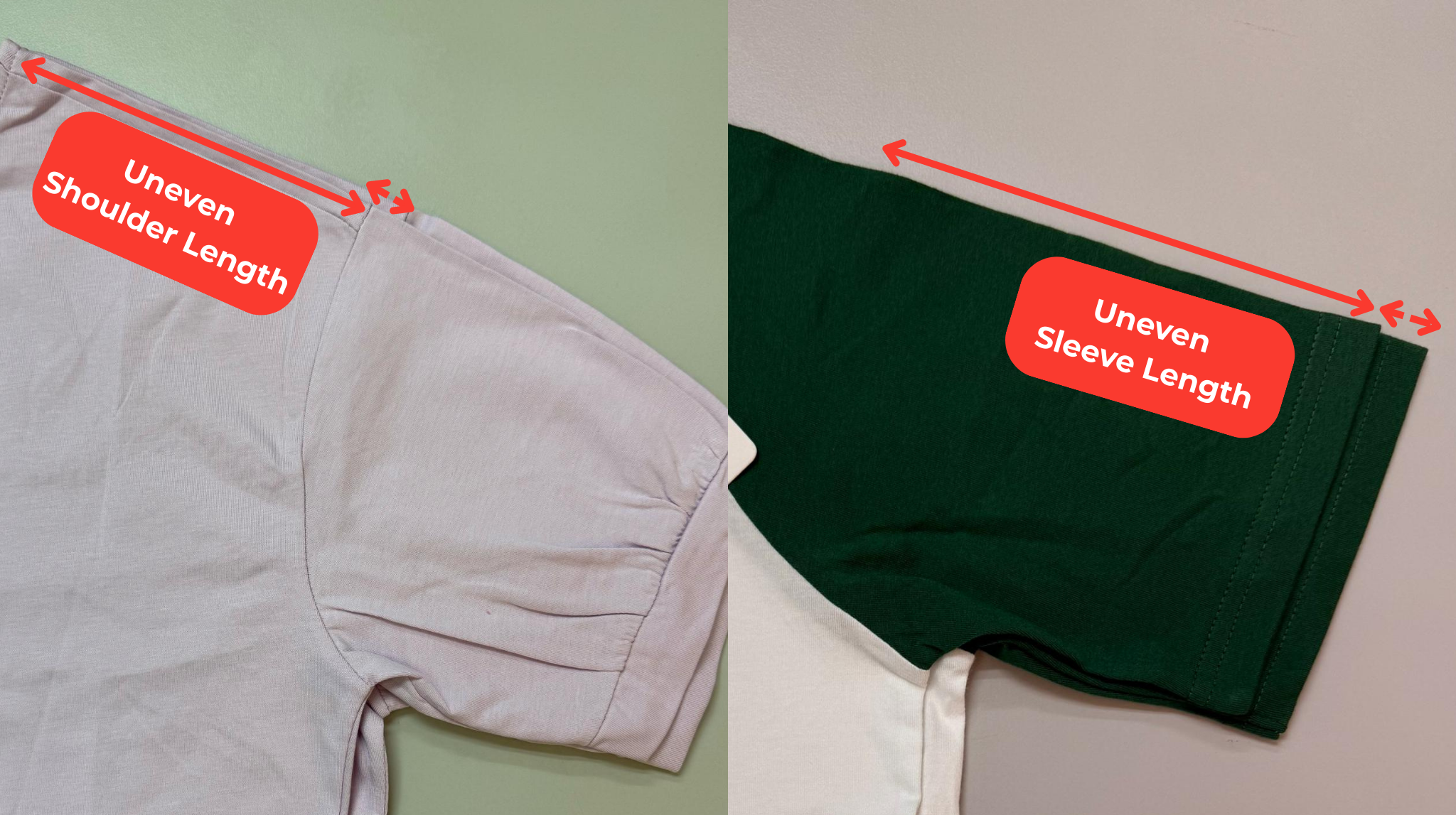
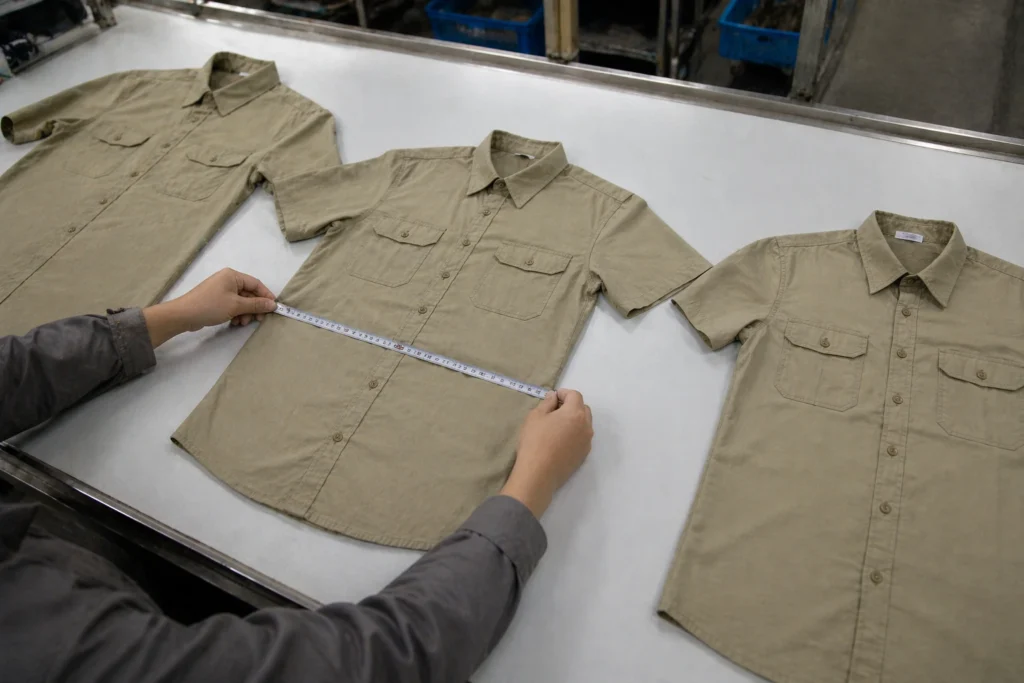
- A size “M” fits differently across batches
- Grading from sample to bulk is inaccurate
- Measurement tolerances are not controlled
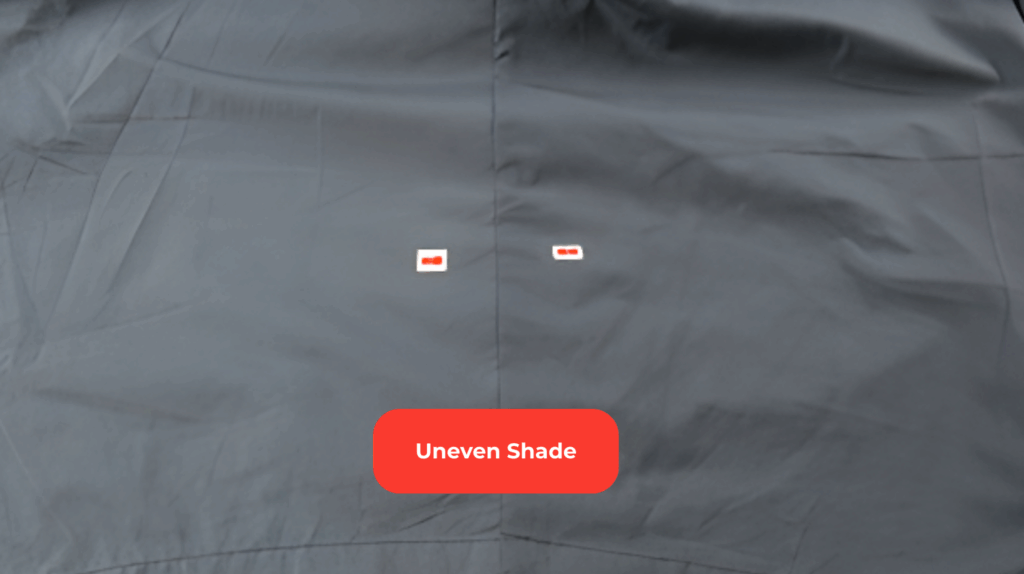
- Different production runs produce different fits
This is a classic apparel production consistency issue.
Business impact:
Customers expect repeatability. When sizing becomes unpredictable, they hesitate to reorder.
Over time, this directly affects:
- customer loyalty
- return rates
- brand reliability
Consistency is not a design feature—it is a production system.
Why Brands Overlook These Problems
If these issues are so critical, why do brands still face them?
The answer is not lack of effort—it is lack of defined standards.
Common reasons:
- Approving samples too quickly without technical evaluation
- Assuming bulk production will match the approved sample
- Allowing factories to decide construction details
- Prioritizing cost savings over long-term consistency
As a result, brands unintentionally create products that lack control. This leads back to the same question: why clothes look cheap despite good intentions.
The Business Impact — The Hidden Cost of “Cheap” Perception
When garments feel inconsistent or poorly finished, the impact goes beyond appearance.
Key consequences:
- Higher return rates due to dissatisfaction
- Lower clothing brand perceived value
- Difficulty increasing product pricing
- Reduced repeat purchases
In addition, marketing becomes less effective. Even strong visuals cannot compensate for products that feel inconsistent in real life.
For brands aiming to scale, this becomes a long-term limitation.
How to Fix It — A Practical Production Approach
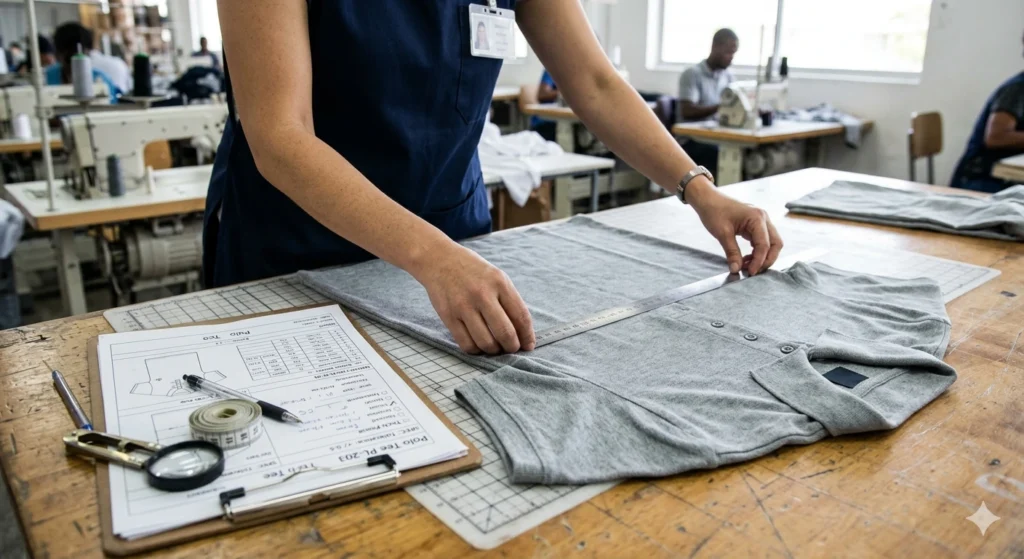
Improving perceived value is not about increasing cost. Instead, it requires better control during production.
A practical checklist:
1. Define garment finishing standards clearly
Set expectations for stitching quality, thread trimming, and alignment before sampling begins.
2. Control garment construction details
Specify interfacing, reinforcement points, and structure requirements.
3. Standardize sizing and tolerances
Lock measurement charts and acceptable variations early in the process.
4. Ensure apparel production consistency
Conduct pilot runs and monitor bulk production closely.
Skipping these steps often leads to inconsistent results. On the other hand, applying them consistently improves overall garment construction quality control.
For additional insights on managing production costs while maintaining quality, you can refer to this internal guide:
👉 https://trisapparel.com/apparel-production-cost-2026-product-construction/
Conclusion: Quality Is a System, Not a One-Time Effort
Understanding why clothes look cheap is not about identifying a single mistake. Instead, it requires looking at the entire production process.
From garment finishing standards to apparel production consistency, every stage contributes to how customers perceive your product.
Ultimately, strong brands are built on repeatable systems—not occasional success.
If your product feels inconsistent, your brand will too.
If you are building a brand that values:
- consistent sizing
- stable construction
- reliable bulk production
It may be time to review your production system.
At Tris Apparel, we focus on structured development and controlled production processes—so your garments deliver consistent results, not unpredictable outcomes.