Sustainable Fashion vs Fast Fashion
The Future of 2026
Introduction
The global fashion industry is at a crossroads. The debate around sustainable fashion vs fast fashion has been building for years, but by 2026, it will become a critical factor in brand strategy.
Fast fashion, known for speed and low cost, continues to dominate in many markets. Yet sustainable fashion trends 2026 show that consumers, regulators, and businesses are increasingly prioritizing durability, transparency, and responsible sourcing.
Brands now face key questions: How do you stay competitive in the fast fashion industry while meeting growing expectations for fashion sustainability? How can manufacturers support both fast production and longer-lasting products?
This article explores these issues and offers insights for brands and apparel manufacturing partners preparing for 2026.
Fast Fashion: Growth Through Speed
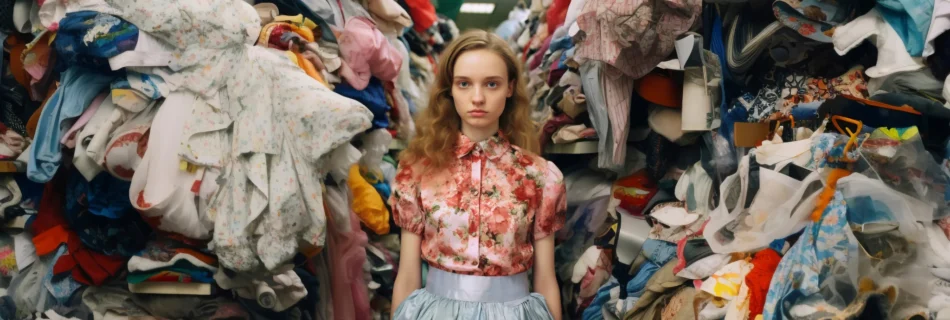
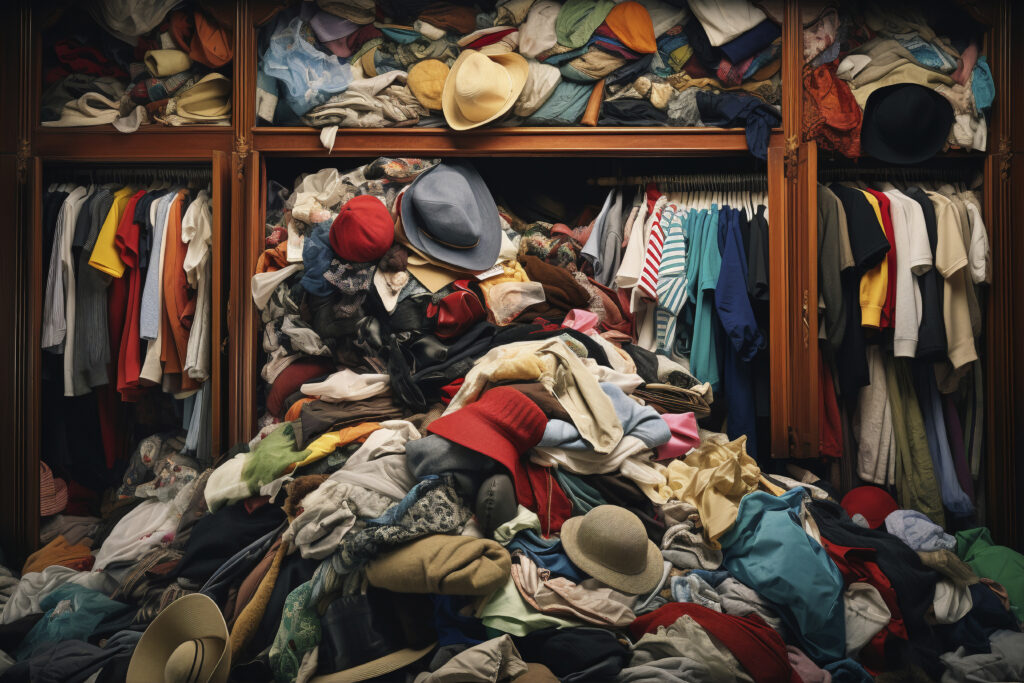
The fast fashion industry thrives on three pillars: speed, affordability, and constant newness. Retailers deliver new styles to stores in weeks, creating high turnover and strong sales.
However, fast fashion has downsides:
- Short product lifecycles, encouraging frequent replacement.
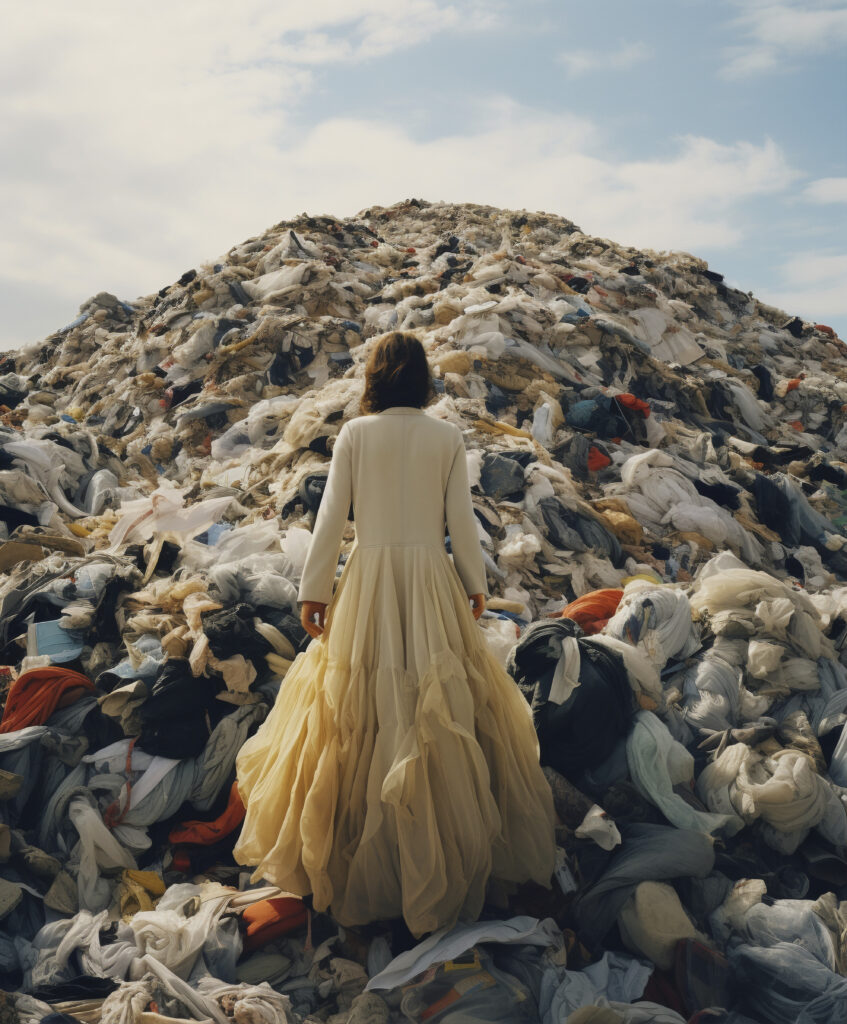
- Environmental impact from textile waste.
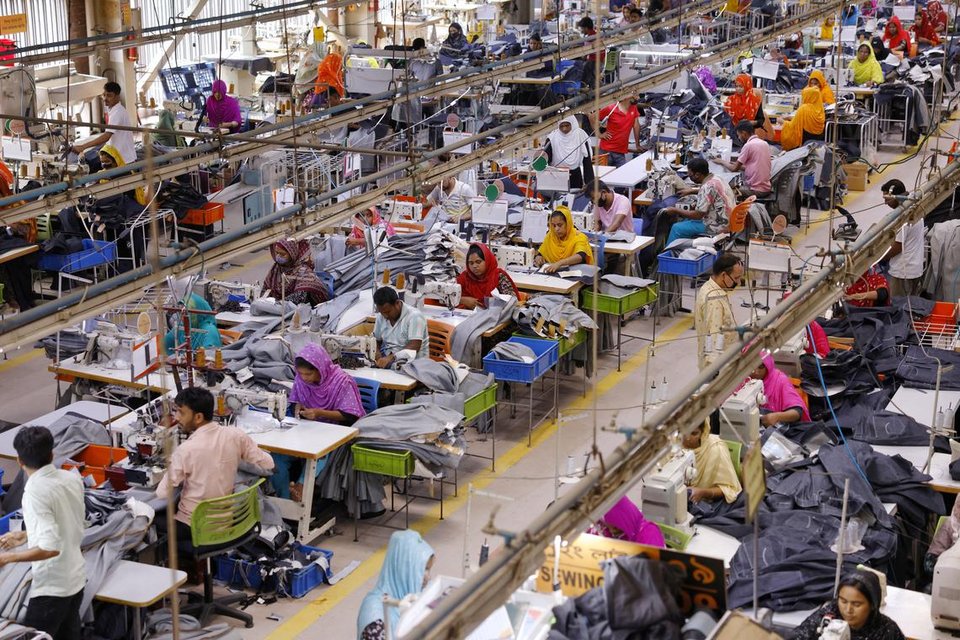
- Labor pressures in low-cost manufacturing regions.
While fast fashion continues to grow, these challenges are prompting brands to rethink their strategies and consider fashion sustainability as part of long-term planning.
(Related reading: Fast Fashion’s Impact on Workers, Brands, and the Planet. )
Sustainable Fashion: A Shift Toward Longevity
In contrast, sustainable fashion focuses on durability, responsibility, and reducing environmental impact. Key aspects include:
- Product life extension: Clothes designed to last longer and maintain quality.
- Responsible sourcing: Materials with lower environmental impact.
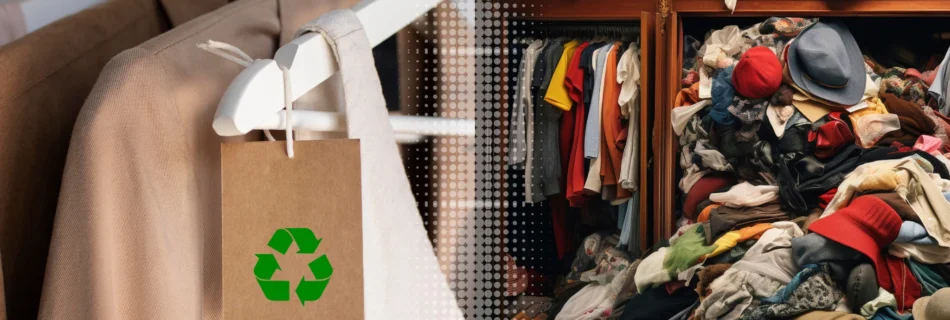
- Circular models: Repair, resale, and recycling to reduce waste.
- Transparent supply chains: Brands sharing clear information about how garments are made.
For manufacturers and brands, embracing sustainability is no longer optional. By 2026, practical sustainable fashion trends will include durability, repairability, and lifecycle management — even without formal certifications.
Market & Consumer Trends: What’s Changing in 2026
The fashion landscape is evolving rapidly, driven by several key trends:
- Consumer Awareness
Shoppers are more conscious of the environmental and social impact of their purchases. Many prefer products that last longer, linking sustainable fashion vs fast fashion directly to perceived value. - Value for Money
Durability and cost-per-wear matter more. Consumers want garments that withstand frequent use rather than disposable items. - Resale and Second-Hand Growth
Platforms for resale and upcycling are expanding. Consumers increasingly consider resale potential when purchasing, which encourages brands to focus on long-lasting quality. - Corporate and Institutional Buyers
Companies and institutions are demanding uniforms and activewear that last longer, aligning with sustainability goals. These buyers influence apparel manufacturing requirements in the B2B market. - Regulatory Pressure
Governments are implementing stricter laws around textile waste, import rules, and product responsibility. Brands must comply or risk penalties, making fashion sustainability a necessity rather than a choice.
These trends indicate a clear shift: brands that embrace durability and responsible production will have an advantage in 2026.
The Role of Apparel Manufacturers
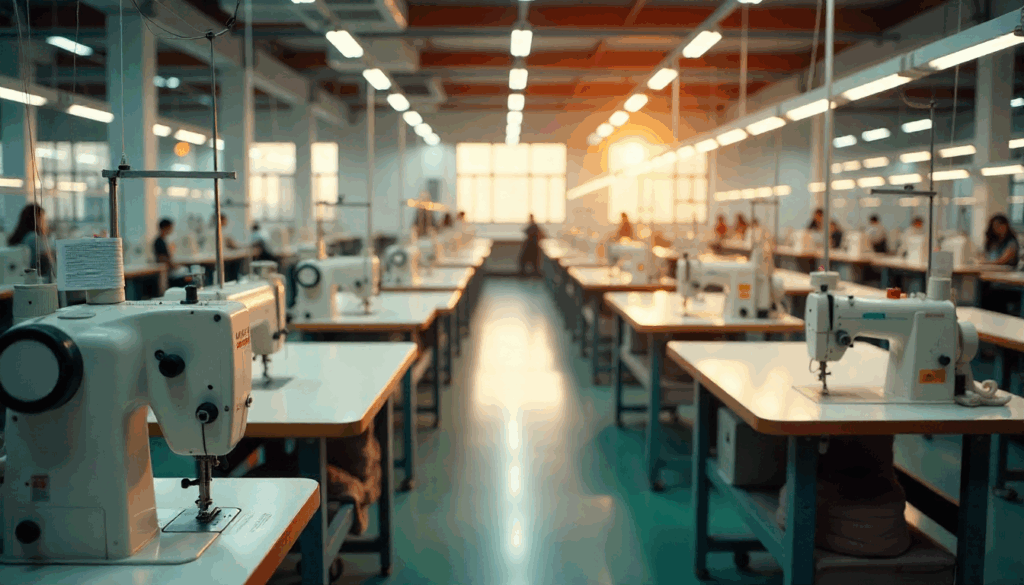
Manufacturers are critical in the sustainable fashion vs fast fashion equation. They face both challenges and opportunities:
- Meeting Lead Time Demands: Fast fashion requires speed, while sustainable brands focus on quality and durability.
- Fabric and Material Choices: Buyers may not always require certification but increasingly request proof of durability or traceable sourcing.
- Flexibility: The ability to produce both fast-turnaround and longer-lasting products is essential.
- Collaboration: Brands seek partners who can advise on fabrics, production methods, and lifecycle strategies.
For manufacturers, balancing efficiency and responsibility is key to supporting brands in navigating market changes and growing sustainable fashion trends 2026.
Sustainable Fashion vs Fast Fashion: Cost, Speed, and Value
The tension between sustainable fashion vs fast fashion can be understood through three dimensions:
- Cost
- Fast fashion reduces upfront costs but increases long-term replacement expenses.
- Durable products may cost more initially but deliver better lifetime value.
- Speed
- Fast fashion delivers new designs quickly.
- Sustainable production may take longer, but innovations in apparel manufacturing are closing the gap.
- Value
- Consumers increasingly value durable garments, especially in activewear, uniforms, and kidswear.
- Product longevity is now a measure of both quality and sustainability.
Brands need to balance short-term profitability with long-term trust and responsibility.
Can Fast Fashion and Sustainable Fashion Coexist?
Both models will likely continue, but their balance is shifting:
- Fast Fashion: Remains relevant in price-sensitive markets but faces growing scrutiny.
- Sustainable Fashion: Expected to gain influence as consumer preferences, regulatory pressure, and corporate sustainability goals increase.
Hybrid models are emerging: fast production combined with long-lasting materials. For brands, the key is to partner with manufacturers capable of adaptability, quality, and reliability.
Conclusion
By 2026, the debate of sustainable fashion vs fast fashion will no longer be theoretical. Brands and manufacturers must adapt to a market where speed, durability, and fashion sustainability coexist.
For brands, success requires balancing short-term market demands with long-term responsibility. For manufacturers, delivering reliable, durable products while remaining flexible is essential.
At Tris Apparel, we help brands produce apparel that lasts — supporting sustainable fashion trends 2026 without compromising efficiency or adaptability.
📩 Contact us today to explore how we can support your next apparel line.