
Introduction
The activewear market in 2025 isn’t fading—it’s transforming. While the fast-growth “gold rush” years have passed, today’s market holds strong potential for brands that move with focus, adaptability, and product clarity.
This is no longer a race to enter early—it’s a space that rewards those who enter wisely. If you’re a startup founder wondering whether this segment is still worth your attention, the answer is: yes—if you’re ready to play it smart.
Let’s explore where the activewear industry forecast is heading, what gaps exist, and how you can position your brand for long-term success.
The Market: Maturing, Not Shrinking
Gone are the days of hype-driven buying. But long-term value? That’s still growing—especially in Asia.
The global activewear market is projected to reach approximately USD 430 billion in 2025, growing at a 6.9% CAGR, with forecasts pointing to USD 787 billion by 2034 (Statista). In the Asia-Pacific region, growth is even faster—projected at 10.9% CAGR, potentially hitting USD 180 billion by 2030.
Another rising segment is modest activewear market, expected to reach USD 96.8 billion in 2025, up from USD 91.9 billion just a year earlier (Business Research Insights). This growth is especially strong in Southeast Asia, the Middle East, and North Africa, where cultural preferences shape consumer demand.
The growth of the activewear industry isn’t declining—it’s demanding clarity, cultural relevance, and functional purpose.
Key Trends Shaping Demand in 2025
Here’s what’s influencing purchasing decisions—especially among Asian consumers:
Everyday Comfort and Function
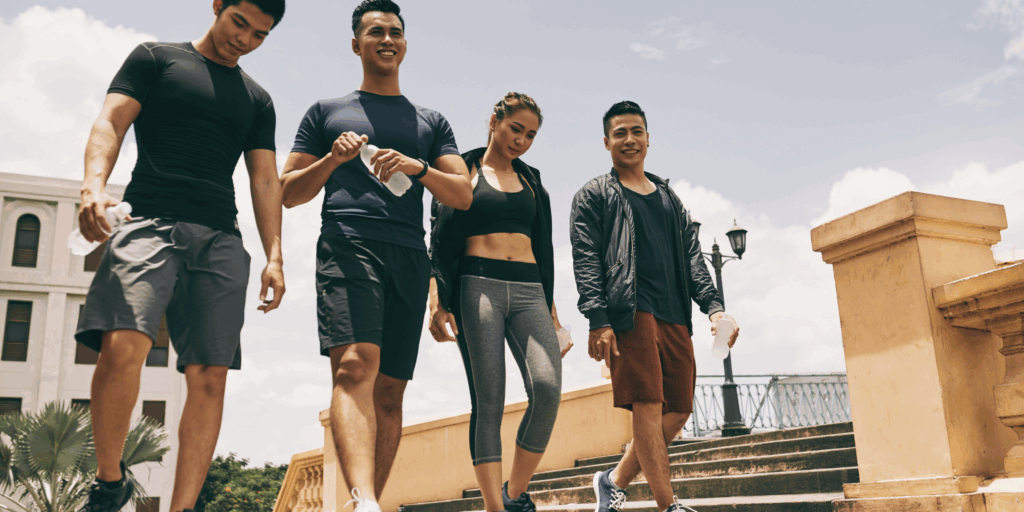
Buyers now expect more than just style. They want breathable, stretchable, versatile garments that move seamlessly from the gym to everyday life. Startups that focus on multi-functional pieces are gaining momentum.
Fit for All Body Types
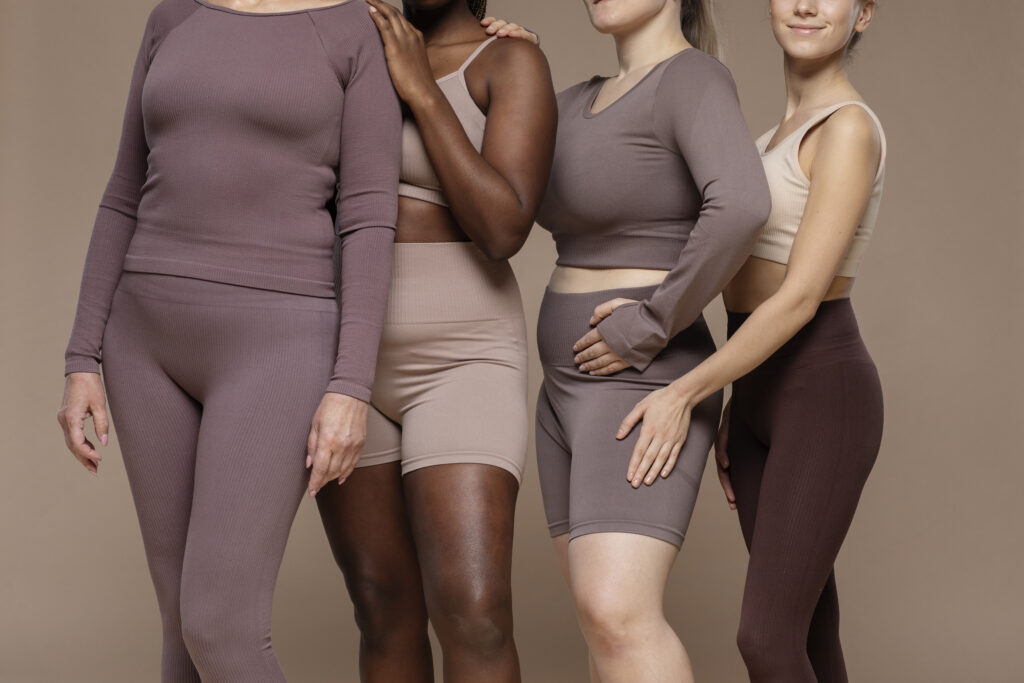
Size inclusivity is no longer optional. Brands that offer consistent fit and flattering designs across a wider size range—especially those calibrated for Asian body proportions—are earning stronger loyalty.
Micro-Influencers Build Stronger Communities
Big-name endorsements are losing ground to authentic voices. Collaborations with micro-influencers, fitness instructors, and niche communities now deliver higher trust and engagement—especially when paired with consistent interaction and relatable storytelling.
Modest Styles That Respect Culture
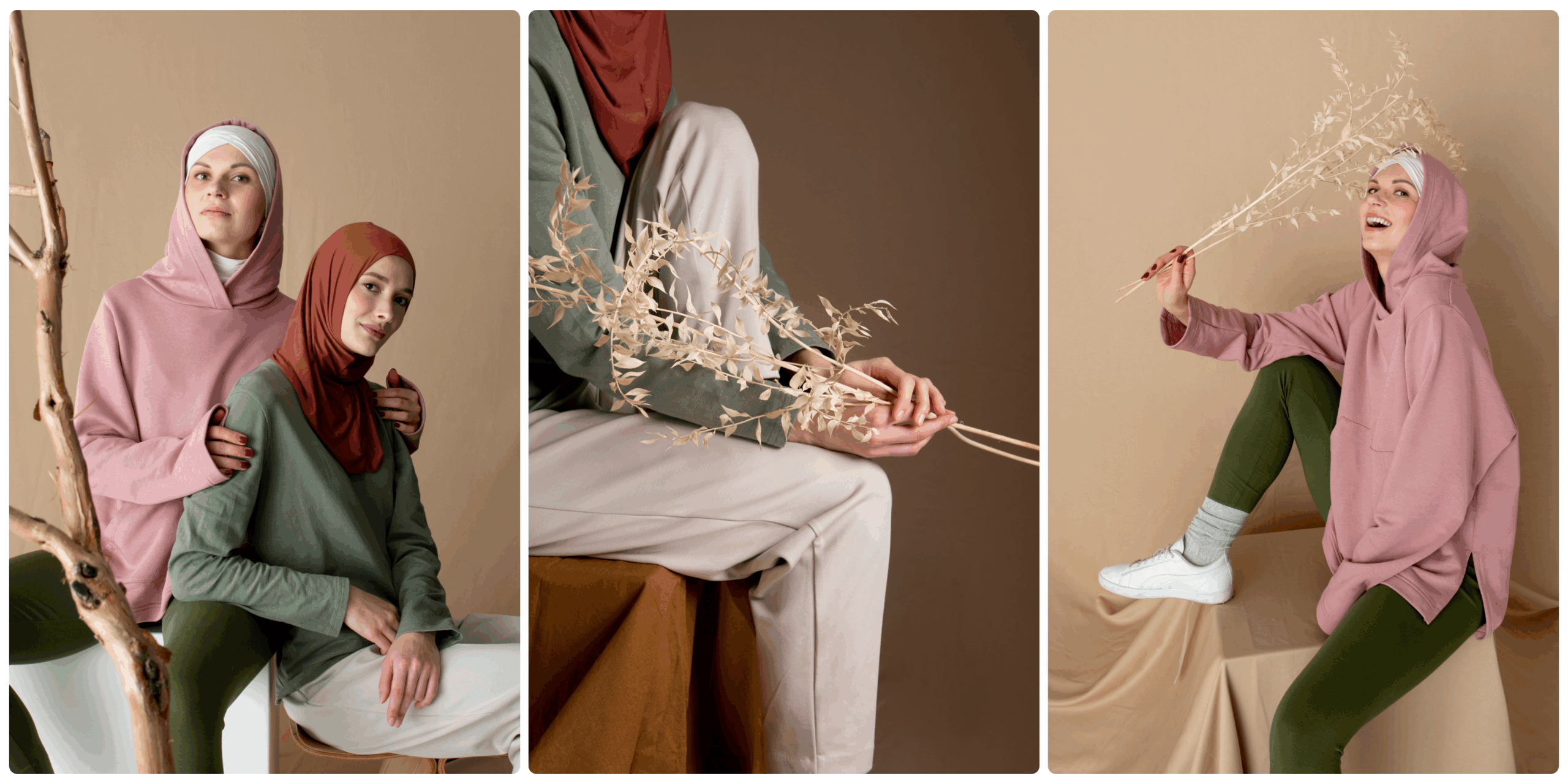
There is a significant demand for modest activewear, especially in Muslim-majority countries. Long sleeves, high necklines, and breathable layering pieces are essential for these consumers—but few mainstream brands offer them. This gap creates space for thoughtful, culturally aware labels.
Is It Too Competitive? Not If You Play It Smart
Yes, the market is competitive—but that’s not a disadvantage. In fact, startups have distinct strengths that large brands often lack:
| Market Challenge | Startup Advantage |
|---|---|
| Big brands dominate | But they move slowly. You can respond faster to niche trends and customer feedback. |
| Functional fabric costs are high | You can start lean, launching small batches to test demand and iterate. |
| Factories require high MOQs | Some specialist manufacturers support flexible orders—if you know where to look. |
| Market saturation | Many players look the same. Purpose, identity, and cultural clarity create standout value. |
4 Strategic Tips for Startups in 2025
1. Start With One Focused Product
Don’t try to launch a full collection. Focus on solving one clear problem—whether it’s a breathable long-sleeve top for hot weather, or leggings that actually stay put during workouts. Clarity beats variety.
2. Position Locally, Scale Smart
Design for local fit, lifestyle, and climate, but build with scalability in mind. A product that works in Kuala Lumpur or Jakarta can expand into similar regions when the timing is right.
Example: Lightweight full-coverage sets designed for humid weather can serve both modestwear and tropical sportswear needs.
3. Partner With the Right Manufacturer
Not all factories handle stretch fabric, technical stitching, or flexible MOQs. Choosing the right production partner helps you avoid over-ordering, poor fits, or quality issues.
🔗 Explore our manufacturing services for startups and niche brands
4. Build With Feedback, Not Assumptions
Launch small. Get input. Adapt. Early customers can become your best R&D team if you make them part of your brand’s journey. This is how you build strong product-market fit and organic traction.
Where Opportunity Still Exists
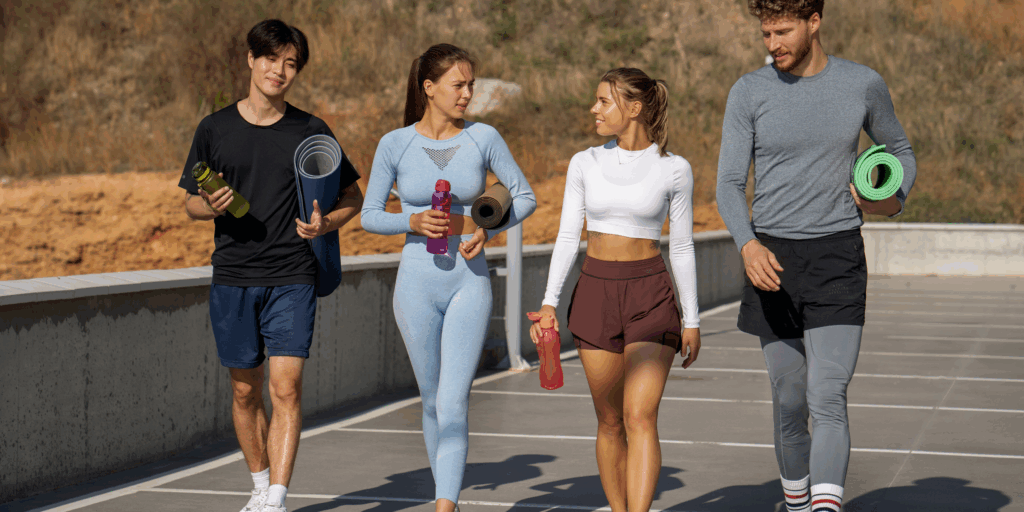
You don’t need to be another Lululemon. You just need to solve a real, unmet need. Here are five underserved segments with strong potential:
- Activewear for curvy women in tropical climates
- Muslim-friendly activewear sets for gym and daily use
- Postnatal or maternity activewear with compression and support
- Travel-ready or work-leisure hybrid sportswear
- Gym-to-street essentials with secure, functional pockets (still hard to find!)
For more insights into finding your ideal production model, see our article:
🔗 OEM vs ODM: Choosing the Right Manufacturing Model
Final Thoughts: Growing—but With New Rules
So, is the activewear market in 2025 still growing? Absolutely—but not in every direction.
Brands that rely on trends or influencer hype are losing traction. Meanwhile, those that move with clarity, product purpose, and community value are gaining ground—especially in culturally diverse, under-served markets.
The window is still open—but it belongs to those who know how to focus.
Need a Smart Production Partner for Activewear?
Whether you’re launching or refining your collection, the right manufacturer can make all the difference.
Let’s explore how we can support your growth with flexibility, transparency, and industry know-how.
👉 Explore our Activewear Services to get started.