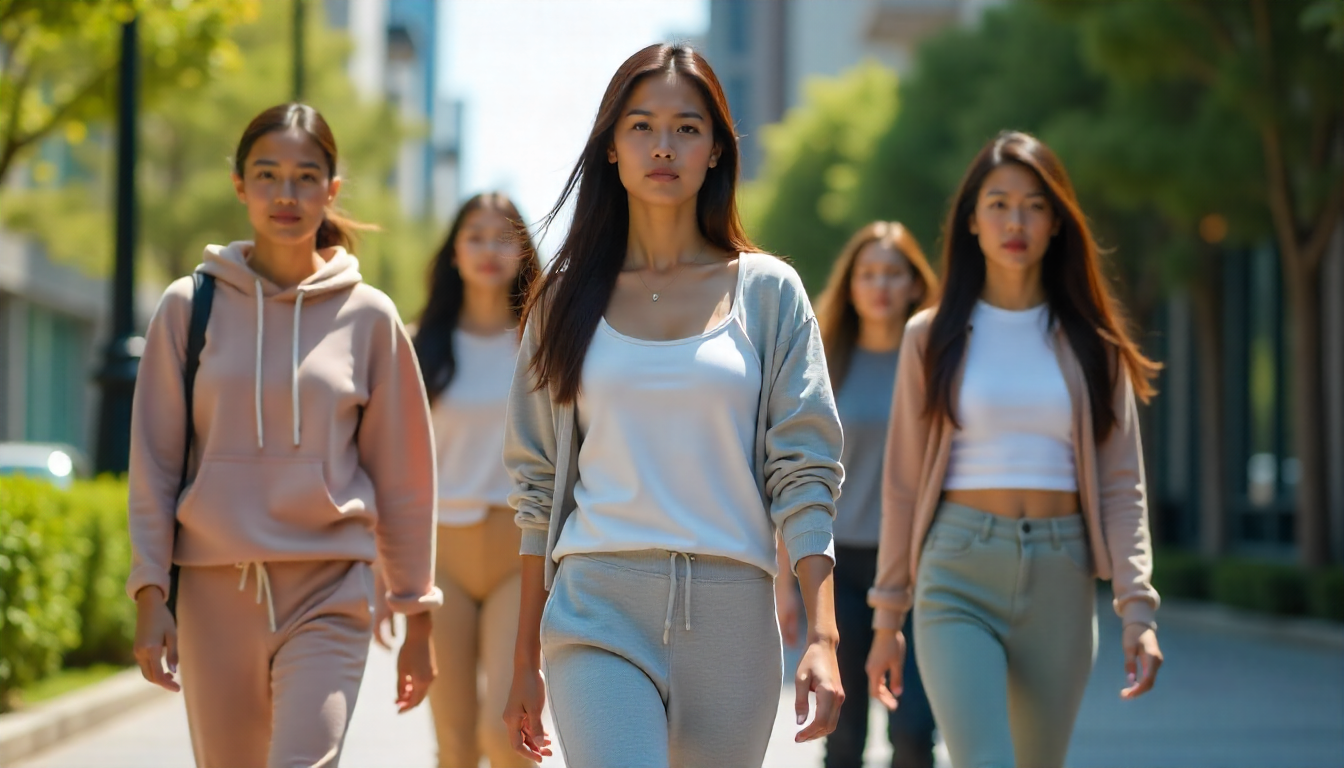
Gen Z and Gen Alpha
Will Drive 40% of Fashion Spending by 2035
Introduction: Youth Spending Power on the Rise
By 2035, Gen Z and Gen Alpha fashion spending is projected to account for 40% of global apparel consumption, marking one of the most significant generational shifts in the fashion industry. As reported by Yahoo Finance, these two generations will drive nearly half of the world’s fashion purchases — a scale powerful enough to reshape product lifecycles, trend forecasting, and brand strategy.
In an earlier analysis, we explored how Gen Z and Gen Alpha are reshaping fashion through micro-drop culture, visual discovery, and trend acceleration. This new article builds on that foundation — shifting the focus from cultural influence to financial power.
The rise of younger consumers is not only about cultural momentum; it is backed by measurable, expanding spending strength. Their choices reflect identity, purpose, and community — demanding more relevance and agility from fashion brands. As a result, B2B companies must adapt their product development, materials, and manufacturing strategies to align with this long-term market trajectory.
- Introduction: Youth Spending Power on the Rise
- Youth Consumption Trends: Spending as a Vote of Identity
- Why Trend Visibility Matters: The New Forecast Model
- Community-Led Fashion Discovery: Where Trends Really Begin
- Rising Product Categories Linked to Youth Spending
- Agile Brand Strategy: How Future Winners Operate
- Conclusion: Preparing for the Next Generation of Fashion Buyers
Youth Consumption Trends: Spending as a Vote of Identity
For Gen Z and Gen Alpha, fashion purchases are a vote of identity. Clothing is used to express personality, values, energy, and belonging. This mindset differs significantly from previous generations who prioritized brand prestige, seasonal collections, or historical narratives.
1. Meaning Over Legacy
Young consumers buy meaning first. They evaluate brands based on alignment with personal expression, lifestyle fit, and authenticity — not on heritage or fashion history. Their loyalty is earned through relevance and transparency.
2. Preference for Authentic Storytelling
They value brands that express clear, genuine narratives. This includes:
- Straightforward product stories
- Honest material descriptions
- Consistent message across platforms
- Community-driven content
Their purchasing behavior reflects trust, credibility, and emotional connection rather than traditional advertising.
3. Comfort, Versatility, Expression
From everyday basics to lifestyle apparel, the priority is clothing that feels relevant to how they move, work, rest, and interact socially. Categories such as oversized tops, soft lifestyle apparel, relaxed pants, and streamlined basics reflect this shift.
For B2B brands, understanding these youth consumption trends is critical. Building identity-led products ensures relevance, reduces risk of misalignment, and improves forecasting accuracy.

Why Trend Visibility Matters: The New Forecast Model
As Gen Z and Gen Alpha fashion spending climbs year by year, brands increasingly depend on forecast visibility to make strategic decisions. These generations shape demand cycles not only through buying but also through conversations, content creation, and aesthetic influence.
1. Under-25s Influence Household Spend
Even when not purchasing directly, Gen Z and Gen Alpha frequently influence parents’ buying decisions — especially for lifestyle apparel, basics, and items associated with cultural trends. This extends their market impact far beyond their age group.
2. They Control Trend Direction, Not Just Purchase Size
Youth culture defines:
- Color trends
- Fit preferences
- Must-have basics
- Viral aesthetics
- Seasonal micro-themes
This influence shapes the entire ecosystem of product development.
3. Modern Forecasting Tools Create Competitive Advantage
Leading brands invest in:
- AI-driven trend prediction
- Social sentiment tracking
- Micro-drop testing
- Community feedback loops
These tools reduce production uncertainty and allow brands to release products aligned with real-time demand.
4. Expanding Growth Categories
Insight-driven brands are already moving into high-demand youth categories like:
- Soft lifestyle apparel for everyday comfort
- Tech comfort basics that support all-day wear
- Wardrobe core essentials with upgraded functionality
The future belongs to brands that invest in early insight, lean development cycles, and adaptive production.

Community-Led Fashion Discovery: Where Trends Really Begin
Traditional advertising is no longer the primary engine of trend adoption. Young consumers rely heavily on community-led fashion discovery, where inspiration flows through authentic interactions.
1. Conversations Drive Conversion
Recommendation-driven content influences buying decisions more than branded messaging. Peer validation is central — whether through styling videos, tutorials, product reviews, or creator-led conversations.
2. Micro-Communities Hold More Power Than Big Campaigns
Subcultures and niche fashion groups often set trends before they break into the mainstream. Their impact is especially strong among Gen Z and Gen Alpha because they prefer belonging and shared aesthetics over mass messaging.
3. Creator-Led Influence Replaces Traditional Ads
Creators shape how products are worn, styled, layered, and combined — giving real context to everyday wear. They demonstrate versatility, comfort, and lifestyle fit, which matter more to young buyers than runway styling.
4. Implications for B2B Brands
Understanding community-led discovery helps manufacturers and retailers:
- Plan product categories based on real conversations
- Adjust fit, silhouette, and material choices
- Predict rising aesthetics before they peak
- Align design details with how people actually style their clothes
Community influence is now a structural part of fashion demand — not a short-term trend.
Rising Product Categories Linked to Youth Spending
As Gen Z and Gen Alpha fashion spending rises sharply, three product categories stand out as long-term growth areas. These are not short-lived fads — they reflect structural shifts in lifestyle, comfort expectations, and daily routines.
1. Soft Lifestyle Apparel
Arguably the core driver of youth purchasing.
This category includes:
- Relaxed tees
- Oversized sweatshirts
- Pull-on joggers
- Soft layering pieces
- Everyday loungewear basics
Why young consumers favor it:
- Comfortable enough for long days
- Adaptable between home, social, and work settings
- Easy to mix with accessories or statement pieces
- Fits the identity-driven approach to dressing
For B2B brands, this category is essential for forecasting and manufacturing consistency due to year-round demand.
2. Tech Comfort Apparel
Young consumers increasingly prefer clothes that feel good across multiple situations.
Common features include:
- Stretch
- Moisture management
- Cooling sensation
- Breathability
- Movement flexibility
This is especially important in:
- Daily basics
- Athleisure
- Workleisure
- Hybrid lifestyle items
Tech comfort is not tied to sport — it is becoming a standard expectation for everyday wear.
3. Wardrobe Core Essentials
These pieces form the backbone of youth dressing habits:
- Polo shirts
- Daily tees
- Cargo pants
- Utility bottoms
- Lightweight jackets
- Minimalist basics
The appeal:
- Reliable fit
- Easy styling
- Neutral color options
- Long-term use
Consumers mix these core items with trend-led accessories to maintain individuality with minimal effort.
These categories will continue to expand as young consumers replace traditional wardrobes with versatile, comfort-driven systems.

Agile Brand Strategy: How Future Winners Operate
With younger generations controlling trend direction and spending momentum, the brands that win will be those with an agile brand strategy rooted in data, segmentation, and rapid response.
1. Data-Driven Youth Segmentation
Effective segmentation includes:
- Lifestyle clusters
- Aesthetic micro-groups
- Usage patterns
- Comfort preferences
- Content consumption habits
Rather than targeting “Gen Z” broadly, leading brands work with smaller, more precise youth segments that drive higher engagement.
2. Agile Product Development
Younger consumers expect brands to respond quickly. This requires:
- Shorter design-to-sample cycles
- Smaller batch testing
- Fast iteration based on feedback
- Flexible production planning
This agility reduces waste and improves accuracy.
3. Consistent Storytelling Across Channel
Strong brands maintain one message across:
- Websites
- Product pages
- Social platforms
- Packaging
- Lookbooks
Consistency builds trust — essential for young buyers who value authenticity.
4. Demand-Driven Manufacturing
Instead of oversupplying traditional seasonal collections, forward-looking brands use:
- Trend insights
- Early data
- Replenishment systems
- Responsive production
This aligns inventory with real demand, improving margins and sustainability.
Conclusion: Preparing for the Next Generation of Fashion Buyers
The fashion market is transitioning into a youth-driven era. By 2035, Gen Z and Gen Alpha fashion spending will represent 40% of global apparel consumption, reshaping everything from design to distribution.
To prepare, brands must:
- Understand youth consumption trends
- Prioritize community-led fashion discovery
- Invest in soft lifestyle apparel and tech comfort basics
- Build an agile brand strategy supported by data and rapid response
The brands that succeed will not simply follow trends — they will understand the values and identity behind them.
For apparel brands seeking reliable manufacturing, thoughtful collaboration, and transparent communication, Tris Apparel supports partners in building youth-relevant, quality-driven collections designed for the future of fashion.