Avoid These 5 Apparel Production Mistakes
Introduction
Starting a clothing brand is exciting — but turning your vision into real garments takes more than creativity. One of the biggest decisions you’ll make is choosing the right clothing manufacturer, especially if you’re working with an overseas factory.
For many new fashion startups, the production process is unfamiliar. Without experience, it’s easy to overlook important steps or make costly assumptions. These common errors can lead to production delays, poor product quality, and unnecessary stress.
In this article, we’ll explore the top 5 apparel manufacturer mistakes that cause delays, poor quality, and frustration for many new fashion startups — and how to avoid them.
Top 5 Apparel Mistakes New Fashion Startups Make When Working with Manufacturers
Launching your first fashion brand is exciting, but the path from concept to production is full of potential traps. When working with an overseas clothing manufacturer, small missteps can turn into expensive delays, poor-quality products, or missed market opportunities.
Here are the Top 5 apparel manufacturer mistakes that fashion startups often make—and how to avoid them with confidence.
- Introduction
- 1. Unclear Tech Packs and Product Details
- 2. Thinking the Lowest Price Means Best Value
- 3. Skipping the Sample Round
- 4. Poor Communication and Follow-Up
- 5. No On-Ground or Third-Party Quality Checks
- Bonus: Mistake #6 – Not Reviewing the Manufacturer’s Portfolio
- Final Thoughts: Start Smart, Scale Confidently
- FAQ: Apparel Startup Manufacturing
1. Unclear Tech Packs and Product Details
What Happens Without a Clear Tech Pack?
Many new brands assume a few reference images or rough sketches will be enough to start production. But unclear specifications lead to miscommunication, incorrect samples, and unexpected production issues.
Real example: A new activewear brand submitted only a photo reference. The resulting sample used the wrong fabric blend and lacked reinforced seams—costing weeks to fix.
What to Include in Yours
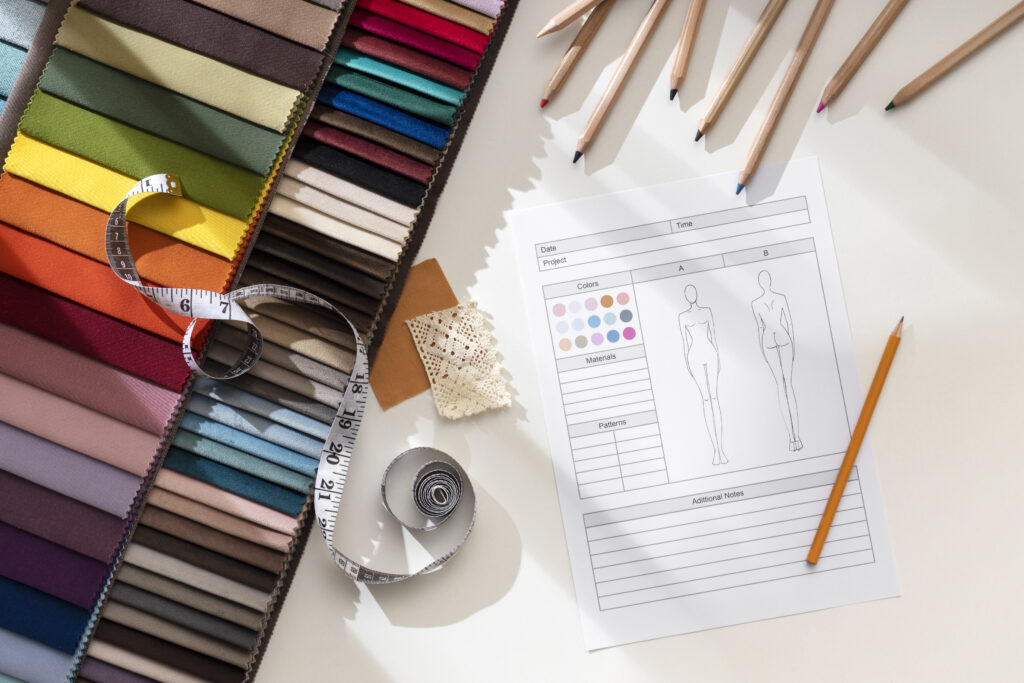
A complete tech pack should contain:
- Fabric details (type, weight, stretch)
- Color codes and Pantones
- Sizing measurements and tolerances
- Construction notes (e.g., top-stitching)
- Label and packaging instructions
🧷 Related: Our Custom Design & Prototyping Service
📘 Learn More: The Ultimate Guide to Tech Packs in Fashion
2. Thinking the Lowest Price Means Best Value
The Risk Behind Cheap Quotes
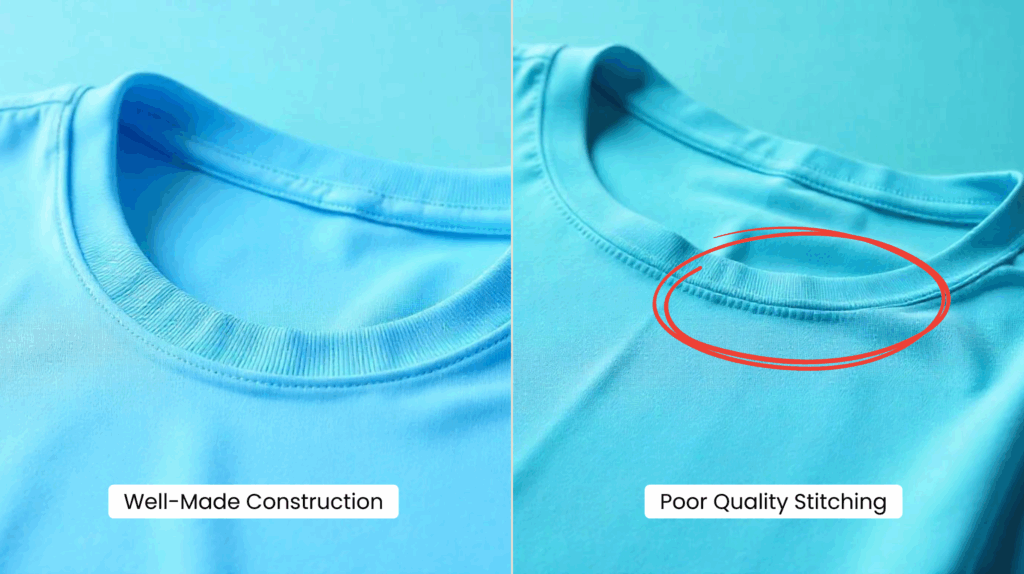
Startups often jump at the lowest cost per unit—but a suspiciously low price can indicate hidden risks: poor materials, weak quality control, or unreliable timelines.
Real example: A Malaysian brand accepted a 30% lower quote from an unknown supplier. The bulk shipment was late and had inconsistent sizing.
How to Protect Yourself
- Ask for pricing breakdowns
- Compare the supplier’s past work
- Look for transparency, not just discounts
📘 Helpful Resource: 9 Key Factors To Finding The Right Clothing Factory For Your Brand
3. Skipping the Sample Round
Why Sampling Saves You
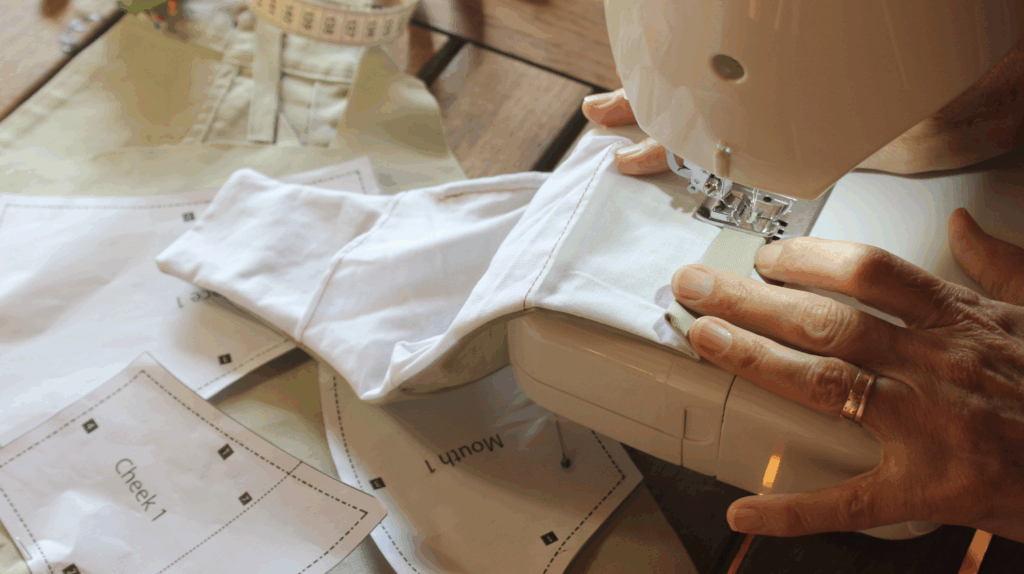
To save time or money, some brands skip samples and go straight to bulk. This is a major mistake. A sample is your only chance to catch issues before full production.
Types of Samples You Need
- Proto sample – rough first draft for fit
- Sales sample – styled and sewn to show the look
- Pre-production sample – final version for approval
Real example: A children’s wear brand skipped pre-production samples. The final delivery used sharp-edged labels that irritated children’s skin—leading to customer returns.
🔗 Why Sampling Matters – Our Prototyping Approach
4. Poor Communication and Follow-Up
What Goes Wrong
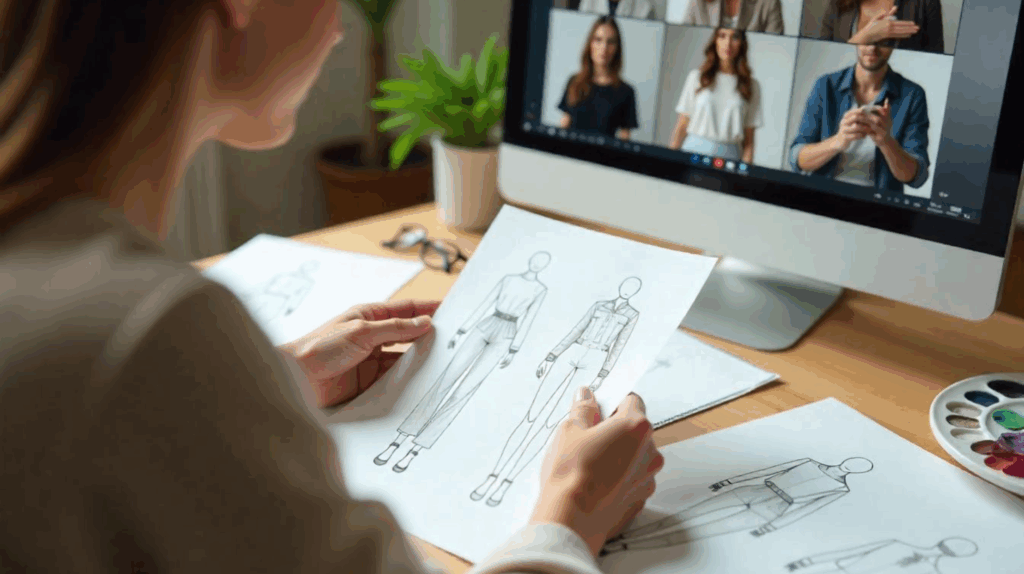
Language barriers, time zones, and unclear updates can cause major miscommunication. Some brands don’t confirm changes in writing, assume the supplier remembers every request, or fail to follow up.
Real example: A startup approved a button color change verbally over WhatsApp, but it wasn’t confirmed in the tech pack. The wrong color was used on 3,000 pieces—costing both time and money to fix.
How to Improve Communication
- Confirm changes in writing (email or shared document)
- Use simple English and visual references or mock-ups
- Schedule regular production check-ins or status updates
- Assign one main point of contact on both sides
5. No On-Ground or Third-Party Quality Checks
Why Trust Isn’t Enough
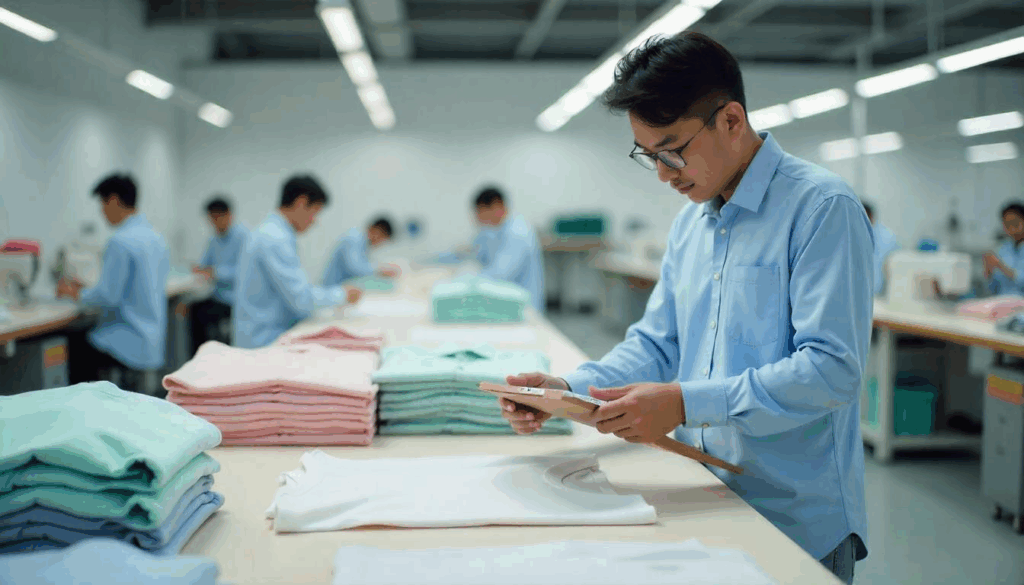
Relying only on your manufacturer’s internal quality control puts your brand at risk—especially with first-time partners or custom styles.
Real example: An indie streetwear brand trusted their factory’s QC. The final product had inconsistent logo placement, and 15% of units had stitching defects.
What You Should Do
- Hire third-party QC if possible
- Ask for mid-production and post-production photos
- Use batch sampling before shipment
🔗 Why Transparency Matters in Apparel Manufacturing
Bonus: Mistake #6 – Not Reviewing the Manufacturer’s Portfolio
Before you sign any agreement, ask to see samples of previous work. Many factories say “yes” to any style, even if they don’t have real experience with that category (like babywear, activewear, or uniforms).
Tip: Choose a partner whose strengths match your product type.
🧷 Explore Our Services and Capabilities
Final Thoughts: Start Smart, Scale Confidently
New fashion brands face many unknowns—but the most common apparel manufacturer mistakes are completely avoidable with preparation and the right production partner.
At Tris Apparel, we help startups avoid these common manufacturing pitfalls by offering:
- Detailed sampling and design support
- Reliable communication and updates
- Honest advice and long-term solutions
✅ Let’s build it right from the start. Contact us today.
FAQ: Apparel Startup Manufacturing
Q: How can startups avoid mistakes when choosing a manufacturer?
Start by reviewing the factory’s past work, asking for tech pack feedback, and confirming every step in writing. Avoid choosing based on cost alone.
Q: What is the biggest mistake in working with apparel manufacturers?
Skipping the sample stage and poor communication are the most common and expensive mistakes.
Q: Should I work with an agent or directly with a factory?
If you’re new, an agent can help—but direct factory partnerships give better control if the manufacturer is experienced and reliable.